Workplace Charging Shapes Green Futures
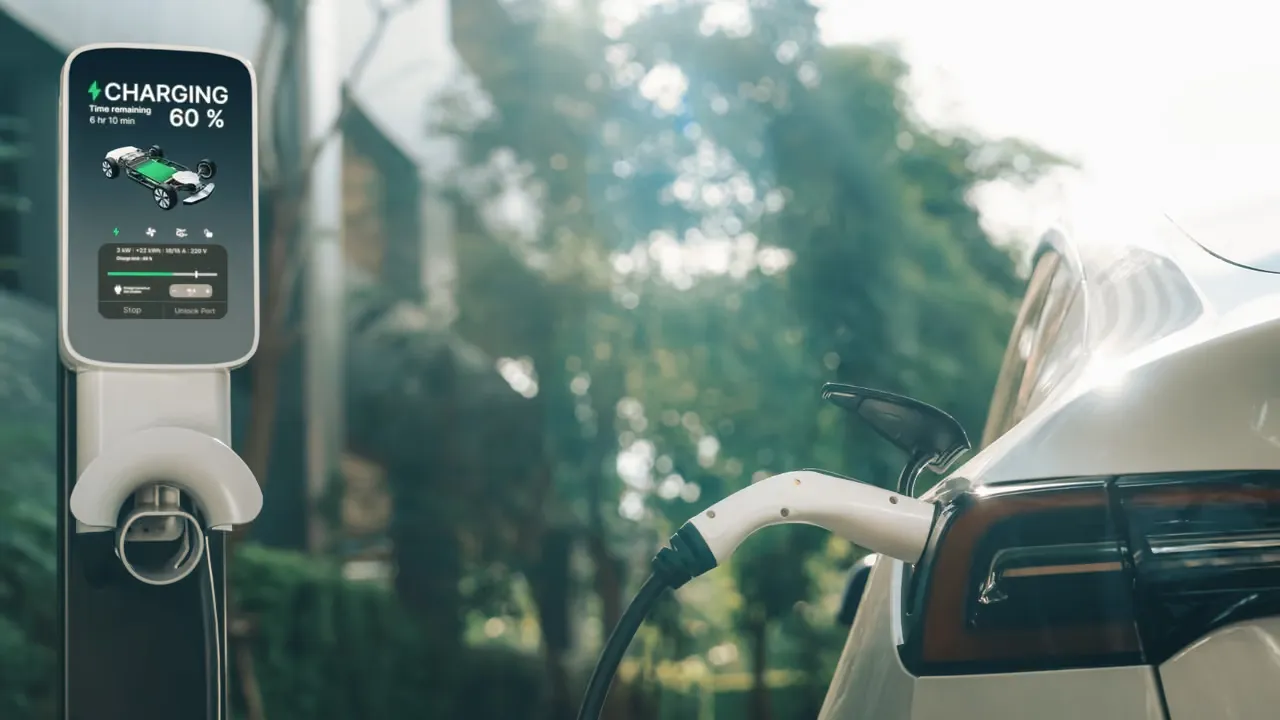
How Workplace EV Charging Stations Influence Employee Satisfaction and Corporate Sustainability Goals
Have you ever wondered how adding electric vehicle (EV) charging stations at work might affect your employees’ happiness and your company’s green ambitions? As electric cars become more common, businesses face a growing opportunity—and responsibility—to support this transition. Workplace EV charging is no longer a nice-to-have; it is quickly becoming a key factor in attracting talent and meeting sustainability targets.
The Growing Demand for Workplace EV Charging
Electric vehicle adoption is accelerating fast. According to recent data, EV sales are projected to make up a substantial share of new car sales within the next decade. But while more people are driving electric cars, public charging infrastructure often lags behind, especially in suburban and rural areas. That’s why many employees look to their workplace for reliable, convenient charging options.
Employers who offer EV charging stations tap into this demand directly. They create an environment where employees feel supported in their choice to go electric. It’s not just about convenience; it’s about showing that the company is forward-thinking and values sustainable practices.
Benefits of EV Charging Infrastructure for Employees
For employees, workplace charging can be a game changer. Here’s why:
- Convenience. Charging at work eliminates the stress of finding a public charging station during the day or rushing home to plug in. It fits seamlessly into their daily routine.
- Cost savings. Many companies offer free or subsidized charging, which can reduce employees’ fuel costs significantly compared to gasoline or public charging fees.
- Time efficiency. Employees can charge their vehicles while working without losing productivity or spending extra time at a gas station or public charger.
- Increased job satisfaction. Knowing their employer supports sustainable commuting options can boost morale and loyalty.
Employees who drive EVs may even see workplace charging as a perk on par with traditional benefits. When companies invest in this infrastructure, it sends a clear message that they care about their workforce’s needs and the environment.
Aligning Workplace Charging with Corporate Sustainability Initiatives
Workplace EV charging stations are a natural extension of corporate sustainability goals. Companies that commit to reducing their carbon footprint can leverage EV charging to:
- Reduce Scope 3 emissions. While direct emissions from company vehicles (Scope 1) are easier to track, employee commuting (Scope 3) is often overlooked. Supporting EV commuting helps cut these emissions.
- Demonstrate leadership. Visible sustainability actions, like EV charging, show stakeholders that the company walks the talk.
- Meet ESG criteria. Environmental, social, and governance (ESG) frameworks increasingly reward companies that enable sustainable employee behaviors.
- Enhance brand reputation. Customers and investors are more likely to support businesses with clear environmental commitments.
By integrating EV charging into workplace sustainability programs, companies align their facilities and operations with broader climate goals. It’s a tangible way to reduce emissions, attract eco-conscious talent, and build a future-ready brand.
Challenges and Solutions in Implementing Workplace EV Charging
Installing EV charging stations at work isn’t without hurdles. Here are some common challenges and how companies overcome them:
Cost and Infrastructure Constraints
Installing chargers requires upfront capital for equipment and electrical upgrades. Older buildings may lack the necessary infrastructure, and demand fluctuates as EV adoption grows.
Solution: Start small with a few chargers and expand as demand grows. Many vendors offer scalable solutions and financing options. Grants and tax incentives at federal, state, and local levels can offset costs.
Parking and Space Limitations
Workplaces with limited parking may struggle to allocate spots specifically for EV charging. Balancing access and fairness can be tricky.
Solution: Implement reservation or time limits to maximize charger availability. Consider shared charging stations and prioritize employees who drive EVs. Creative layouts and smart charging management software can optimize space.
Employee Awareness and Adoption
Some employees may be unaware of charging options or hesitant to switch to EVs because of perceived inconveniences.
Solution: Communicate clearly about available charging, costs, and benefits. Offer incentives like reduced parking fees or rewards programs. Provide education on EV ownership to demystify the process.
Technical Challenges and Maintenance
Charging stations require maintenance and sometimes technical support. Faulty equipment or outages can frustrate users.
Solution: Choose reliable hardware providers and set up a maintenance plan. Use remote monitoring tools to detect issues early. Provide a straightforward way for employees to report problems.
Workplace EV charging is a strategic investment that supports employee satisfaction and corporate sustainability. Companies that navigate the challenges thoughtfully find themselves ahead of the curve in an electrified future.