Workplace Charging Boosts Electric Car Use
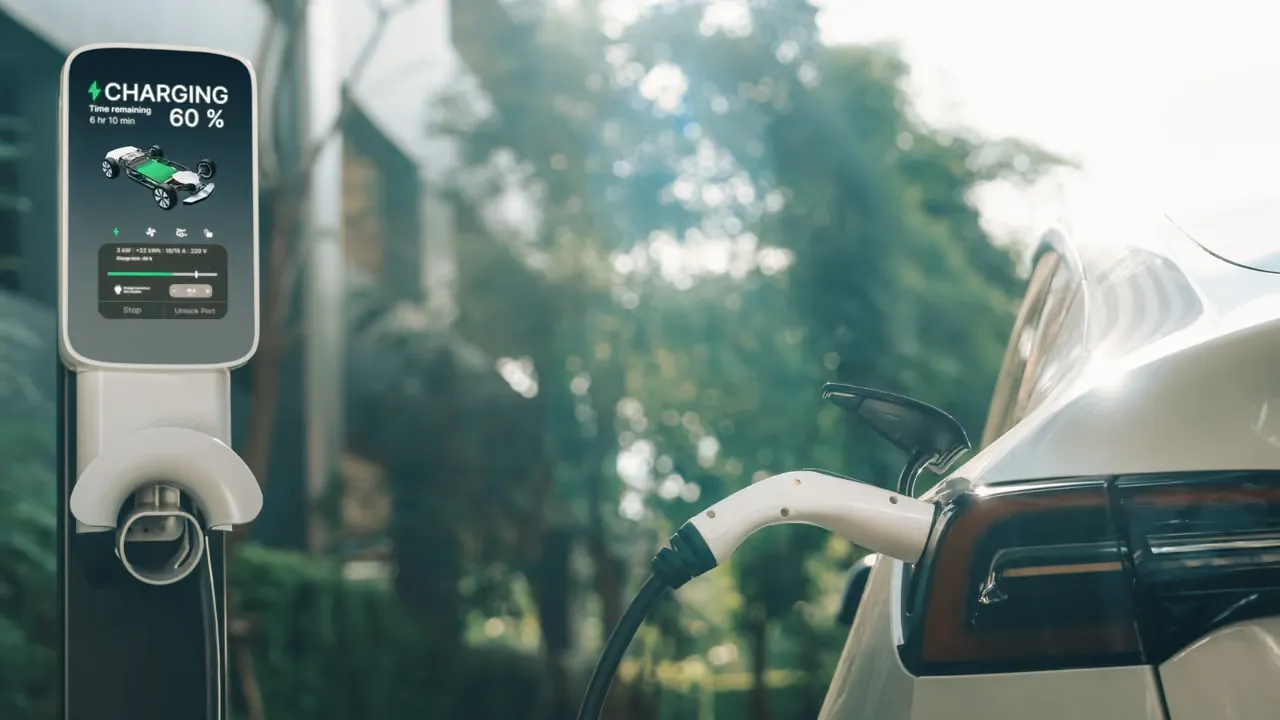
What role does workplace charging infrastructure play in the growing adoption of electric vehicles among employees? As the shift towards cleaner transportation accelerates, the availability of charging stations at work is becoming a critical factor in whether employees decide to switch to electric vehicles (EVs). This article explores the current landscape of workplace EV charging, its impact on adoption rates, the hurdles employers face, and where the future might lead.
The Current State of EV Workplace Charging Availability
Workplace charging infrastructure is still in its early stages, but interest is rapidly increasing. Recent surveys reveal that less than 20% of employers in the United States offer EV charging stations for their employees, though this number is higher in regions with stronger EV adoption and supportive policies, such as California and parts of Europe.
Many companies that have installed charging stations do so as part of sustainability initiatives or to attract and retain talent. However, the availability often varies widely within industries and even among companies of similar size. Tech firms and large corporate campuses are leading the charge, while smaller businesses and those in traditional sectors lag behind.
Charging Types and Accessibility
Most workplace chargers currently installed are Level 2 chargers, which provide a moderate charging speed suitable for an 8-10 hour workday. Fast chargers, which can replenish an EV battery much more quickly, are less common due to higher installation and electricity costs.
Accessibility also remains uneven. Some workplaces offer dedicated parking spots with chargers, while others have limited spaces shared among many employees, leading to frustration and underutilization.
Impact of Accessible Charging on Employee EV Adoption
Access to workplace charging can significantly influence an employee’s decision to buy an EV. For many, the worry about finding convenient places to charge—commonly known as "range anxiety"—is a major barrier. Knowing they can plug in their car while at work reduces this anxiety and makes owning an EV practical for daily commuting.
Studies have shown that employees with guaranteed access to workplace chargers are more likely to consider an EV for their next vehicle. This is especially true for employees with longer commutes or those who lack reliable home charging options, such as apartment dwellers.
Furthermore, workplace charging can reinforce a company’s green image, which resonates with employees who prioritize environmental responsibility. This cultural reinforcement encourages more sustainable choices, creating a positive feedback loop that gradually increases EV adoption.
Employee Benefits Beyond Charging
- Cost Savings: Some employers subsidize or fully cover electricity costs for charging, reducing the total cost of EV ownership.
- Convenience: Charging at work means employees don’t need to rely solely on home charging, which may be unavailable or inconvenient.
- Time Efficiency: Charging during working hours maximizes convenience without extra trips to public stations.
Challenges Employers Face in Implementing Charging Stations
Despite the clear benefits, employers often hesitate to install EV charging infrastructure due to several challenges:
- Upfront Costs: Installation can be expensive, especially when electrical upgrades are needed. The price of chargers, site preparation, and labor adds up quickly.
- Space Limitations: Not all workplaces have adequate parking or the right electrical infrastructure to support multiple charging points.
- Uncertain Demand: Employers may be unsure whether the investment will be justified by employee usage, particularly in areas with low EV penetration.
- Management and Maintenance: Ongoing maintenance, billing, and managing usage can require dedicated resources or third-party services.
- Equity Concerns: Balancing access for employees who drive EVs with those who don’t, as well as handling fairness in charging costs, can complicate policy design.
These challenges mean that many companies prefer to wait for costs to come down or for clearer incentives before committing to workplace charging.
Future Trends in Workplace EV Charging and Potential Benefits
The future of workplace EV charging looks promising, driven by technological advances, policy incentives, and growing demand. Here are some trends to watch:
Integration with Renewable Energy and Smart Grids
Workplaces are increasingly pairing EV chargers with solar panels and energy storage systems. This integration reduces electricity costs and carbon footprint, making EV charging greener and cheaper. Smart charging technologies also allow workplaces to optimize charging times to avoid peak demand charges and balance grid loads.
Increased Availability and Faster Charging
As charger costs decline, more employers will be able to install multiple charging points, reducing competition for spots. The adoption of faster Level 3 DC fast chargers at workplaces, though still costly, will become more common, enabling quick top-ups during breaks or short shifts.
Incentives and Policy Support
Government incentives, such as tax credits and rebates for installing charging infrastructure, are expanding. Some regions are mandating workplace charging as part of building codes or sustainability requirements, which will boost adoption.
Employee Engagement and Corporate Responsibility
As employees increasingly value sustainability, companies are using EV charging as part of broader green workplace initiatives. This can improve morale, attract talent, and enhance brand reputation.
Ultimately, workplace charging infrastructure is more than just a convenience; it’s a catalyst for accelerating the transition to electric vehicles by addressing practical barriers and aligning employee and employer interests.