Why Shared EV Chargers Matter for Cities
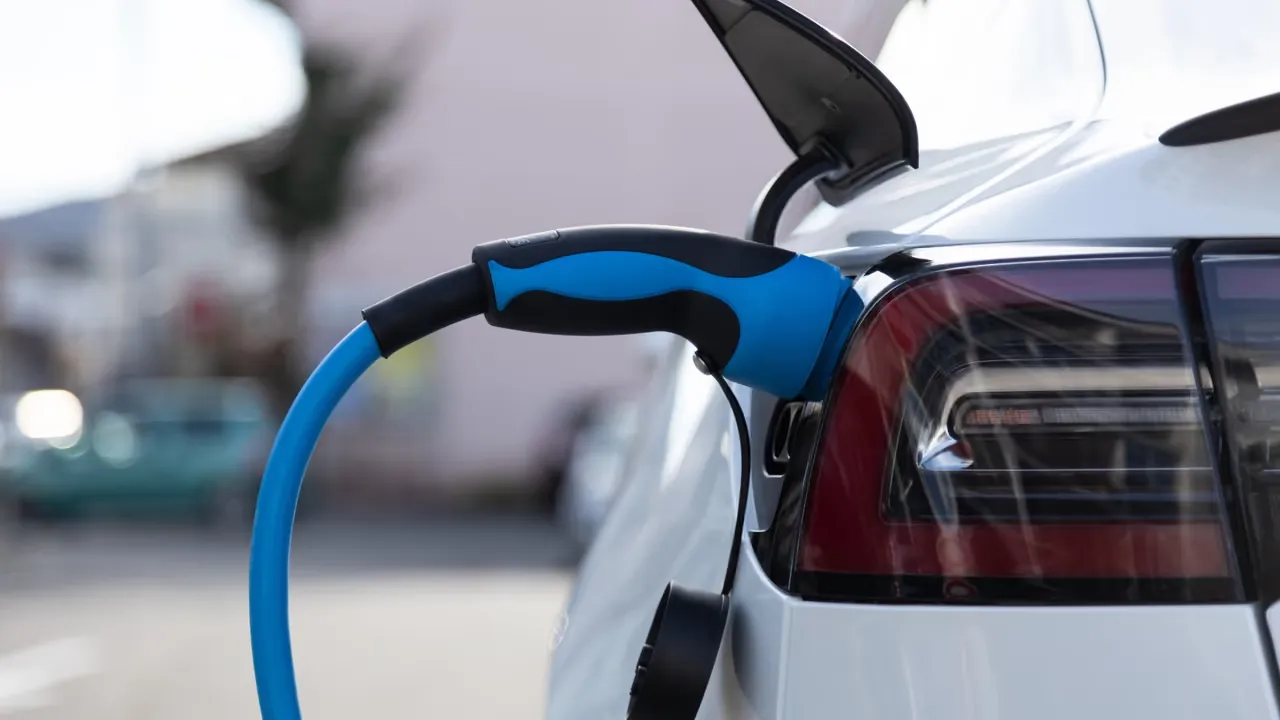
In many neighborhoods, the sight of a gas station is slowly being replaced by rows of sleek electric vehicle (EV) chargers. But while home chargers and highway fast-charging stations get a lot of attention, there’s a growing movement that’s reshaping how communities think about EV access: community-based EV charging hubs. These shared spaces do more than just top up batteries—they can transform local engagement and make electric driving truly accessible to all.
What Are Community EV Charging Hubs?
Community EV charging hubs are designated locations within neighborhoods or small towns where multiple EV chargers are installed and shared by residents and visitors alike. Unlike private home chargers, which are limited to single households, or highway chargers aimed at long-distance travelers, community hubs serve as local gathering points for EV users. They can be placed in parking lots of community centers, libraries, grocery stores, or municipal properties.
These hubs typically offer a mix of charging speeds, from Level 2 chargers that provide a moderate charge over a few hours to DC fast chargers that can give a substantial boost in under an hour. The idea is to create a convenient, accessible spot where EV owners without private parking or home charging options can reliably charge their vehicles.
Benefits of Shared Charging Spaces in Neighborhoods
For many urban residents, especially those living in apartments or older housing without dedicated parking, home charging is impractical or impossible. Community EV charging hubs fill this gap by providing a dependable alternative without the need for costly upgrades or individual installations.
- Enhanced Accessibility: Community hubs break down barriers to EV ownership by offering charging options to those without garages or driveways. This inclusivity helps accelerate the adoption of electric vehicles across diverse demographics.
- Cost Efficiency: Installing multiple chargers in a shared space can be more economical than building private units for each household. Local governments or cooperatives can negotiate better rates and share maintenance costs.
- Reduced Range Anxiety: Knowing there’s a reliable place nearby to charge encourages more confident driving habits and reduces dependence on highway stations.
- Social Engagement: These hubs can become informal community centers where neighbors connect, exchange EV tips, or participate in sustainability events. They foster a sense of shared responsibility for the environment.
- Urban Planning Benefits: Concentrating chargers in strategic locations can optimize electrical grid use, reduce clutter from random installations, and integrate with other green infrastructure like solar panels or bike-sharing stations.
Designing Inclusive and Efficient Charging Networks
To maximize the impact of community EV charging hubs, thoughtful design is crucial. Planners and stakeholders should consider:
- Location Selection: Sites should be accessible by foot, bike, and public transit, not just cars. Prioritizing underserved neighborhoods ensures equitable access.
- Charger Variety: Including both Level 2 and fast chargers accommodates different user needs, from those who can leave their cars parked for hours to those needing a quick turnaround.
- Smart Technology: Networked chargers with apps for reservations, payment, and real-time availability reduce wait times and improve user experience.
- Renewable Integration: Pairing hubs with solar panels or energy storage systems minimizes environmental impact and reduces strain on the grid during peak hours.
- Community Input: Engaging residents during planning helps ensure the hubs meet local needs and encourages a sense of ownership.
Case Studies Successful Community Charging Initiatives
Portland Oregon’s Neighborhood Charging Program
Portland has been a pioneer in creating neighborhood EV charging hubs, particularly in areas where residents live in multi-unit buildings without private parking. The city partners with local businesses and nonprofits to install chargers in public parking lots. Their approach includes outreach campaigns to educate residents and subsidies to keep charging affordable. The result is a growing network that supports over a thousand EVs, many owned by people who previously had no charging options at home.
Amsterdam’s Shared Charging Points
Amsterdam faces the challenge of a dense urban environment with limited private parking. The city has implemented a system of shared chargers placed strategically throughout neighborhoods, often in repurposed street parking spaces. These hubs use smart technology to manage demand and offer flexible payment options. Amsterdam’s model has shown how public-private partnerships can expand EV infrastructure while maintaining neighborhood character.
California’s Greenlots Community Projects
In parts of California, the Greenlots initiative has deployed community EV charging hubs that combine fast charging with educational kiosks and event spaces. These hubs are located near transit centers and community hubs, encouraging multi-modal transportation. Their success lies in integrating charging infrastructure with broader sustainability goals and community engagement.