Why Off Grid Solar Is Key for EVs
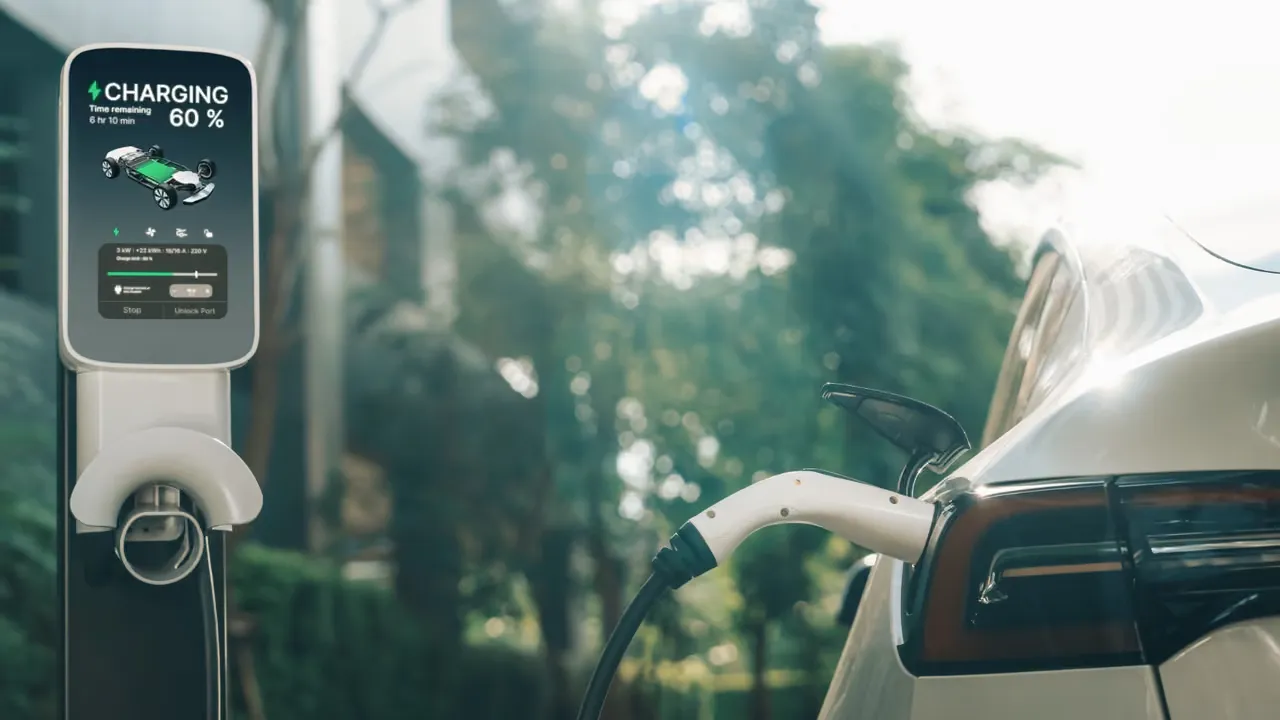
Imagine driving through a stretch of countryside where the roads wind past rolling hills and dense forests, far from the hum of city life. Your electric vehicle’s battery dips below 20%, and the nearest public charger is miles away—too far to reach without running out of juice. This is the reality for many EV owners in rural and remote areas, where traditional charging infrastructure is sparse or nonexistent. But innovation in off-grid EV charging is beginning to change that landscape.
Challenges of EV Charging in Rural and Remote Locations
Rural and remote areas face unique obstacles when it comes to EV charging. The biggest hurdle is the lack of reliable and readily available grid infrastructure. Unlike urban centers, where power lines and high-capacity transformers are abundant, remote regions often have limited or unstable electricity access. Extending the grid to these areas is expensive and slow, making traditional charging stations impractical.
Additionally, low population density means fewer potential users per station, reducing the financial incentive for private companies to invest in charging networks. This results in long distances between charging points, which can cause “range anxiety” for drivers. Seasonal and weather-related power outages further complicate reliance on the grid.
Designing Off-Grid EV Charging Stations Using Solar and Battery Storage
One promising solution is the development of fully off-grid EV charging stations powered by renewable energy, primarily solar, paired with robust battery storage systems. These stations operate independently from the traditional power grid, making them ideal for remote locations.
Solar panels capture sunlight during the day, converting it into electricity to charge both the batteries onsite and the vehicles. The key is having a sufficiently large battery bank that can store excess energy generated during peak sunlight hours. This stored energy then powers EV chargers during nighttime or cloudy days, ensuring reliable 24/7 availability.
Modern off-grid systems often incorporate smart energy management software to optimize charging schedules and balance supply with demand. For example, a station might prioritize charging during peak solar production and limit output when battery levels run low.
- Modular design: Solar and battery components can be scaled up or down depending on expected usage and site conditions.
- Durability: Equipment is built to withstand harsh weather and minimal maintenance.
- Fast charging capability: While off-grid stations may not always match urban fast chargers, advances in battery and inverter technology are closing the gap.
Community-Led Initiatives and Partnerships for Off-Grid Charging Adoption
Many successful off-grid charging projects emerge from community-driven efforts rather than top-down corporate investment. Local cooperatives, nonprofits, and municipalities have started to band together to fund and manage these stations, tailoring solutions to the specific needs of their areas.
Partnerships play a crucial role. For instance, collaboration between renewable energy companies, EV manufacturers, and local governments can pool expertise and resources. Grants and subsidies aimed at rural development also provide vital financial support.
Communities often integrate off-grid EV chargers with other local infrastructure projects, like rural microgrids or agricultural solar installations, creating synergies that improve overall energy resilience. Educational programs help raise awareness and encourage EV adoption, which in turn sustains demand for charging solutions.
Case Study Example
In parts of Alaska and northern Canada, where grid access is limited and winters harsh, off-grid solar charging stations have been installed at community hubs. These setups use high-capacity batteries and weather-hardy solar panels, enabling residents to charge electric snowmobiles and small EVs year-round. The success of these programs hinges on local ownership and maintenance, backed by technical support from renewable energy experts.
Benefits and Future Potential of Off-Grid EV Charging Solutions
Off-grid EV charging stations offer multiple advantages beyond just extending EV accessibility. They reduce dependence on fossil fuels by harnessing clean, renewable energy in areas where grid power may come from diesel generators or coal plants. This shift lowers greenhouse gas emissions and local pollution.
Furthermore, off-grid systems enhance energy independence and resiliency for rural communities, which often face power reliability issues. By combining EV charging with energy storage and solar power, these stations can serve as critical assets during emergencies or natural disasters.
The future looks promising as technology improves. Advances in battery chemistry, solar panel efficiency, and smart grid integration will make off-grid charging stations more affordable, powerful, and easier to deploy. Emerging models include portable or trailer-mounted chargers that can be transported to remote job sites or recreational areas.
Companies are also exploring hybrid solutions that blend solar, wind, and even small-scale hydro to maximize energy capture in diverse environments. Meanwhile, governments worldwide are beginning to recognize the importance of equitable EV infrastructure, leading to increased funding and supportive policies focused on rural electrification.