Why EVs Make Financial Sense Over Time
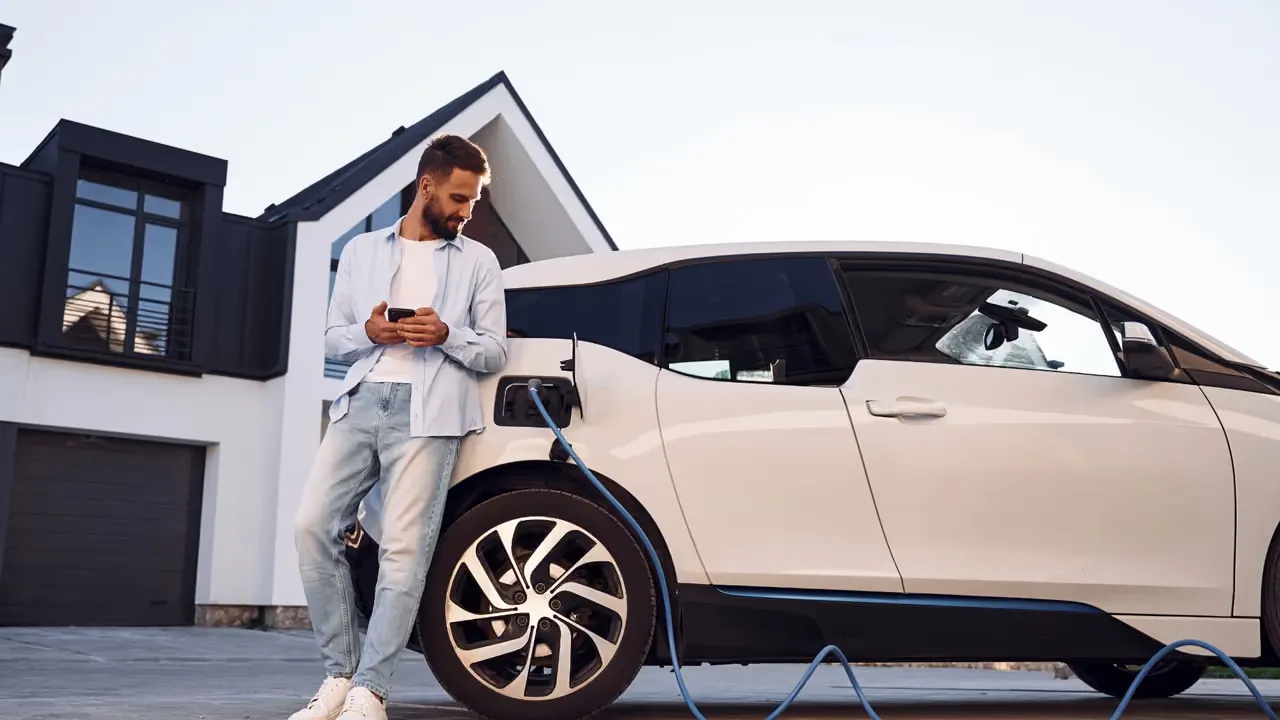
Should you choose a gas or an electric vehicle when thinking about the total cost of ownership? With so many factors at play — from sticker price to maintenance and resale — it’s not as straightforward as it seems. Let’s break down what you really pay for when owning either type of car.
Initial Purchase Price Breaking Down Upfront Costs
When you first look at buying a car, the price tag is often the biggest attention grabber. Gas vehicles typically come with a lower sticker price compared to electric vehicles (EVs). For example, a comparable compact gas sedan might start around $25,000, while a similar electric model could easily be $35,000 or more. This gap largely comes down to the cost of batteries in EVs.
However, government incentives can chip away at that difference. Many states and countries offer tax credits or rebates for electric vehicle purchases, sometimes reducing the effective price by several thousand dollars. These incentives can make the initial purchase more competitive, though they vary widely depending on where you live.
Financing terms may also differ. Some lenders offer better rates for EVs, banking on their growing popularity and future value. But on the whole, expect to pay more upfront for electric.
Fueling and Maintenance Which Saves More Over Time
Fuel costs are a major part of ongoing ownership expenses. Gasoline prices fluctuate, but on average, fueling a gas car will cost more than charging an electric one. According to the U.S. Department of Energy, electricity for EVs often costs less than half the equivalent energy from gasoline. If you can charge at home during off-peak hours, the savings are even more substantial.
Maintenance is where the differences become even clearer. Gas engines have hundreds of moving parts that require regular attention — oil changes, spark plugs, timing belts, transmission fluid, and more. These add up over the years, both in time and money.
Electric vehicles ditch most of those parts. They don’t need oil changes, have fewer fluids to replace, and generally experience less wear on brakes thanks to regenerative braking. While EVs have their own maintenance needs, like battery health monitoring and occasional software updates, these tend to be less frequent and costly.
- Gas vehicle typical maintenance: oil changes every 5,000 to 7,500 miles, transmission service, exhaust system repairs, fuel filter replacements.
- Electric vehicle typical maintenance: battery coolant checks, brake fluid replacement, tire rotations, cabin air filter changes.
Over a 5-year span, owners often report spending 30-40% less on maintenance for electric cars. Fuel savings combined with lower upkeep can quickly offset the higher initial purchase price.
Depreciation and Resale Values Long-Term Financial Impact
Depreciation is a silent cost that bites when you sell or trade in your vehicle. Gas cars have a long-established depreciation curve that’s easier to predict. They tend to lose around 50-60% of their value in the first five years.
Electric vehicles’ depreciation can be more volatile, influenced heavily by battery longevity concerns and rapid advancements in technology. Early EV models saw steep depreciation due to limited range and battery degradation fears. However, newer EVs with longer warranties and improved batteries retain value better.
Resale values also depend on market demand. As EVs gain popularity, their resale values are improving. In some cases, used EVs hold their value better than comparable gas models, especially if they have a solid battery warranty remaining.
Still, the risk of costly battery replacement after 8-10 years can scare some buyers, affecting resale prices. On the other hand, gas vehicles face depreciation tied to fluctuating fuel prices and tightening emission regulations, which can reduce demand for older, less efficient engines.
Environmental and Practical Considerations Beyond Cost
Cost isn’t the only thing to consider. Electric vehicles produce zero tailpipe emissions, which makes them cleaner to operate, particularly in urban areas with air quality concerns. If your electricity comes from renewable sources, your carbon footprint shrinks even further.
On the other hand, gas vehicles still offer advantages in terms of fueling infrastructure and travel range, especially in rural or remote areas. Refueling a gas car takes minutes and gas stations are everywhere. Charging an EV, even with fast chargers, can take longer and may be less convenient if you don’t have easy access to home or public charging.
For people who regularly drive long distances or need heavy towing capacity, gas or hybrid vehicles currently provide more practical options. But if your daily commute is moderate and you can charge overnight at home, EVs make more sense both financially and environmentally.
Ultimately, your choice depends on what you value most: lower upfront cost and widespread convenience, or long-term savings and cleaner operation. The numbers lean toward electric vehicles saving money over time, but the decision isn’t just about dollars and cents.