Why EV Charging Feels Like a Test of Patience
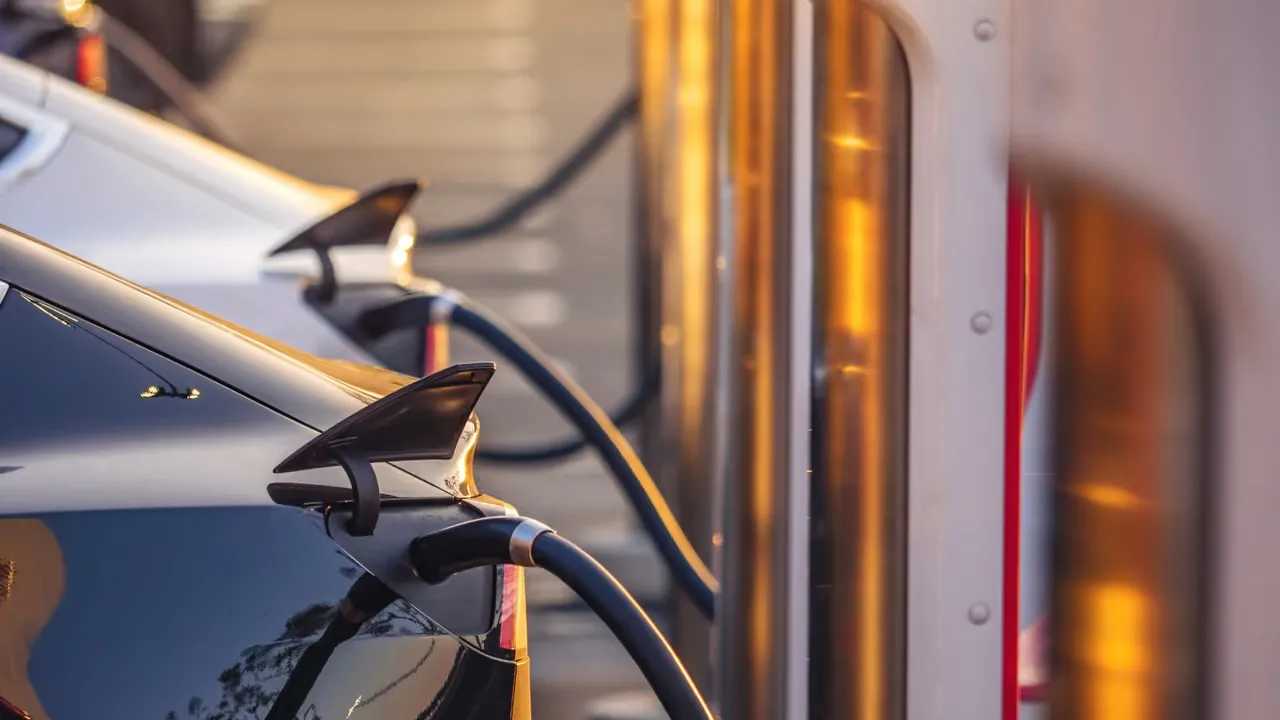
Have you ever found yourself tapping your fingers impatiently at an EV charging station, watching the percentage creep up agonizingly slowly?
Understanding the psychology of waiting how charging times impact driver patience
Waiting is never fun, but waiting for an electric vehicle to charge brings a special kind of frustration. Filling a gas tank takes just minutes. EV charging—even with fast chargers—often stretches into tens of minutes or more. Psychologists call this “delay discounting,” where the longer you wait, the heavier the inconvenience feels.
Time seems to stretch in these moments. Five minutes waiting at a coffee shop feels short. Five minutes standing by a charger feels endless. The setting changes everything. Drivers juggle schedules, errands, or kids in the backseat, so any delay feels like stealing their time. Even small things like a blinking charger light or no restroom nearby can make impatience grow.
One driver told me how she once waited 40 minutes at a busy station with no seating or shelter. The sun beat down, and her kids grew restless. That wait felt like a punishment, not a pause. These moments chip away at the joy of driving electric.
Behavioral adaptations how drivers change travel plans based on charging availability
Over time, drivers learn to handle these waits better. Some plan routes carefully, sticking to stations with fast chargers or multiple plugs to avoid lines. Others charge “opportunistically,” topping off during short stops instead of waiting to nearly empty their battery.
But these changes go deeper than just route planning. The stress of waiting shapes travel choices:
- Avoidance – Drivers skip places without reliable charging, shrinking their travel area.
- Timing shifts – Charging during off-peak hours when stations are quiet, even if it means odd schedules.
- Range anxiety management – Keeping a higher battery charge to avoid urgent stops mid-trip.
Some drivers even rethink owning an EV if charging stays slow or scarce. One man shared how after repeated long waits, he considered switching back to gas for the freedom it offers. The emotional toll of waiting can push people away from electric cars, despite their benefits.
Designing charging experiences to reduce frustration and improve satisfaction
Car makers and charging networks are starting to see that feelings matter as much as tech specs. Here’s how they’re tackling the wait:
- Real-time info – Apps show which chargers are free and how long the wait is, so drivers can plan before they arrive.
- Comfort facilities – Seating, Wi-Fi, coffee, and restrooms turn charging into a break, not a bore.
- Interactive feedback – Lights, sounds, or screens that show charging progress make the wait clearer and less frustrating.
- Queue management – Virtual lines or reserved spots cut down the chaos of “first come, first served.”
These design choices tap into basic human needs: control, comfort, and clarity. When drivers feel respected and their time valued, patience comes easier.
At one station I visited, a small lounge with coffee and charging status screens made the wait feel like a short rest. Drivers chatted or checked emails instead of pacing anxiously. It’s a simple change but powerful.
Future innovations aiming to optimize the emotional experience of EV charging
The next wave of EV charging won’t just be about faster power. It will rethink the whole emotional journey. Imagine stations that:
- Personalize the experience – Recognize drivers, adjust lighting, play favorite music, or offer tips during the wait.
- Integrate entertainment – Augmented reality games or social spaces that turn waiting into fun downtime.
- Dynamic pricing and incentives – Reward drivers for charging off-peak or keeping stays short to ease queues.
- Ultra-fast charging breakthroughs – Cut wait times to almost zero, blurring the line between charging and refueling.
One startup is testing a system that greets drivers by name and offers personalized playlists while they charge. Another plans to add AR games that kids can play while parents wait. These ideas aim to make charging less a chore and more part of the trip.
As more people switch to electric, how they feel about charging will shape their whole experience with EVs. The future could make waiting for a charge feel less like a pause and more like a moment to enjoy.