What Waiting Reveals About EV Drivers
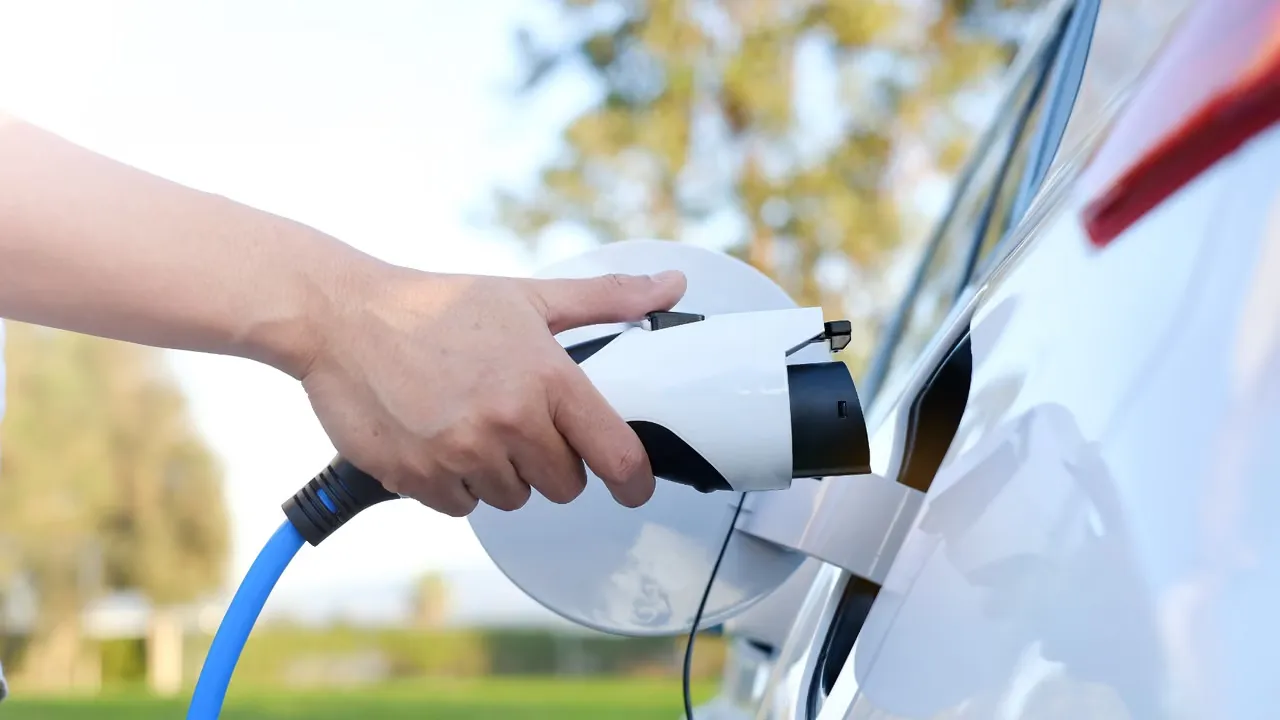
Have you ever found yourself tapping your steering wheel, watching another car slowly juice up its battery while you wait your turn at an EV charger? That moment—awkward, tense, or just plain boring—is more than a simple inconvenience. It’s a fascinating glimpse into how waiting shapes our mindset, behavior, and even the unwritten rules we follow when sharing these modern-day fueling stations.
The psychology behind waiting patience and stress at EV chargers
Waiting is a universal experience, but it rarely feels pleasant. At EV charging stations, the psychological stakes are peculiar. Unlike traditional gas stations where filling up takes a few minutes, charging an electric vehicle can stretch from 20 minutes to over an hour. This extended wait time forces drivers into a state of limbo: they’re parked but not quite done, tethered to a machine rather than the pump-and-go rhythm we’re used to.
Psychologists call this a form of temporal uncertainty. You don’t always know exactly how long the charge will take or when the next charger will become available. This uncertainty can elevate stress levels, especially if the driver has somewhere to be. The longer the wait, the more impatience bubbles to the surface.
Interestingly, patience can be a scarce resource in this setting. Drivers juggling tight schedules, unfamiliar with EV charging norms, or stuck behind slow chargers often experience frustration. This stress isn’t just internal—it spills over into how they interact with others at the station.
How wait times influence charging etiquette and social interactions
Charging your EV is a rare public act of dependency on shared technology. Unlike private garages, charging stations are communal spaces, and wait times heavily influence the social dance that unfolds.
When wait times are short, drivers tend to be relaxed and courteous, often exchanging friendly nods or quick chats. But as wait times lengthen, tension can rise. Here’s how that plays out:
- Queue jumping and impatience: Some drivers might inch forward prematurely or hover near chargers before their turn, signaling frustration or entitlement.
- “Charging hogging” debates: Once a car reaches a full or near-full state, some drivers unplug it immediately, while others prefer to wait for a more substantial charge. This can spark silent conflicts or outright arguments.
- Implicit social cues: Drivers often rely on subtle signals—like flashing headlights or polite hand waves—to negotiate charger sharing without words.
These dynamics reveal how wait times transform charging stations into microcosms of social negotiation and sometimes conflict. The etiquette around EV charging is still evolving, shaped largely by the length and unpredictability of these waits.
Designing charging stations to improve user experience and reduce frustration
Given the psychological weight of waiting, some charging station designers and network operators are experimenting with ways to ease the experience. The goal is to reduce frustration and encourage positive social behavior.
Here are a few approaches gaining traction:
- Real-time wait time updates: Apps and station displays that accurately show queue status and estimated wait times help reduce uncertainty. Knowing how long you’ll wait can make the experience less stressful.
- Comfort-focused amenities: Providing seating, shade, Wi-Fi, or even small cafes near chargers turns a forced pause into a more pleasant break.
- Clearer etiquette guidelines: Signage reminding drivers to move their car promptly or to share chargers fairly can nudge better social behavior.
- Smart charging technology: Some stations prioritize faster charging for drivers in a hurry or encourage partial charges to maximize turnover.
- Physical layout innovations: Designing spaces to minimize congestion and clearly delineate waiting areas helps reduce accidental queue jumping and confusion.
These design choices recognize that waiting is not just a technical problem—it’s a human one. By addressing the psychological and social dimensions of wait times, the EV charging experience can become more manageable, even enjoyable.
Next time you find yourself waiting at an EV charger, take a moment to observe the subtle rituals and tensions playing out around you. That patience—or impatience—you feel is part of a shared journey toward a more electric future, one charged not just by electrons but by human behavior.