Waiting at Chargers Tests More Than Patience
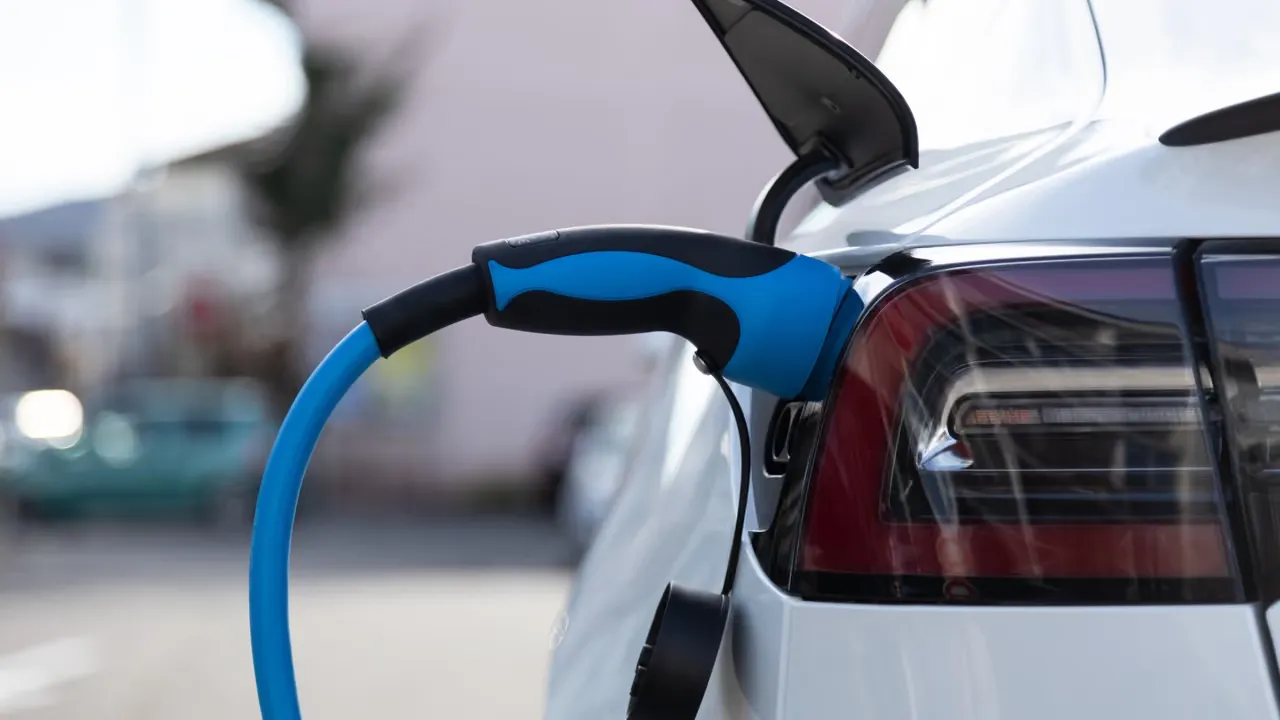
Pulling up to an EV charging station used to be a straightforward, almost solitary errand—plug in, wait, and go. But as electric vehicles multiply and charging stations become social hubs of a sort, a new layer of complexity is emerging. Charging etiquette, once a non-issue, now demands a kind of social savvy that drivers didn’t expect to need. It’s a subtle dance of patience, politeness, and sometimes, quiet judgment.
The Emergence of Unwritten Rules at EV Charging Stations
Unlike gas stations where filling up is fast and mostly transactional, EV charging takes longer. This waiting period has birthed a unique set of unwritten rules. For instance, the concept of “move when done” is gaining traction. Leaving a car plugged in after it’s fully charged is often seen as a faux pas, especially in busy stations where others are queueing.
Another developing norm is the “first come, first served” principle, though it’s not always clear-cut. Some drivers arrive with reservation apps, while others just wait in person, leading to occasional tension. Then there’s the question of whether it’s okay to unplug a car that’s been idle for a while but still charging—a gray area sparking debates online and offline.
Subtle Signals and Social Cues
Charging etiquette also includes more subtle social cues. A quick wave, a smile when another driver is waiting, or even leaving a note if you anticipate a long charge can ease tensions. On the flip side, hogging multiple chargers with several cars under one account or ignoring polite requests to move can brand a driver as inconsiderate.
Navigating Conflicts and Misunderstandings Among EV Users
Despite best intentions, conflicts happen. One common flashpoint is “ICEing,” where internal combustion engine vehicles block access to chargers. While that’s a separate issue, EV drivers themselves are not immune to disputes. For example, someone might plug in immediately after a charger is freed but then take hours to move their car, frustrating those waiting.
Misunderstandings often arise from a lack of clear communication. Without a universal code of conduct, assumptions fill the void. Is it okay to unplug a fully charged car if the owner isn’t around? Should you wait for someone to finish before plugging in your own car? These questions have no official answers but are increasingly discussed in EV forums and social media groups.
When Patience Runs Thin
In high-demand locations, tempers can flare. Some chargers now feature signs reminding users to be considerate, but the real solution lies in cultivating empathy. Recognizing that everyone is trying to do their part in this electric transition helps defuse tension. Yet, not all drivers share the same mindset, making the social dynamics at charging stations a fascinating microcosm of broader societal shifts.
The Role of Technology in Promoting Courteous Charging Behavior
Technology is stepping in to smooth these interactions. Many charging networks now offer apps that show queue status, estimated charging times, and even allow remote notifications when a charge is complete. These tools encourage drivers to plan their time better and avoid overstaying.
Some stations employ timers that limit how long a car can remain plugged in once fully charged. Others integrate payment models that penalize “charger hogging” by increasing fees after a certain period. These measures nudge drivers toward more courteous behavior without needing direct confrontation.
Smart Notifications and Reservation Systems
Apps with real-time updates have turned charging into a more transparent process. Drivers can see who’s next, reducing the uncertainty that often breeds frustration. Reservation systems, though still rare, are gaining attention as a way to orderly manage demand, especially in urban areas with limited chargers.
How Community Initiatives Foster Better Charging Etiquette
Beyond tech, grassroots efforts play a crucial role. EV clubs, local governments, and advocacy groups organize workshops and campaigns to educate drivers about respectful charging habits. These initiatives often emphasize the environmental and social benefits of sharing this scarce resource fairly.
Some communities have even developed informal “charging ambassadors”—volunteers who help newcomers understand the etiquette and step in to mediate disputes. Their presence turns charging stations into places of learning and mutual support rather than battlegrounds.
Encouraging a Culture of Courtesy
Community forums and social media groups dedicated to EV owners frequently share stories of positive interactions and gentle reminders about charging etiquette. This peer-to-peer communication fosters a sense of belonging and responsibility. As more drivers buy into these norms, the social dynamics at charging stations evolve from tense standoffs to cooperative exchanges.
- Sharing charging tips and best practices online
- Organizing meetups to discuss challenges and solutions
- Partnering with local businesses to promote courteous behavior
Charging etiquette, once an afterthought, is now a vital part of the EV experience. It’s reshaping how drivers interact, creating new norms, and reflecting a broader shift toward a more conscious, connected way of moving through the world.