Unexpected Effects of Silent Electric Cars
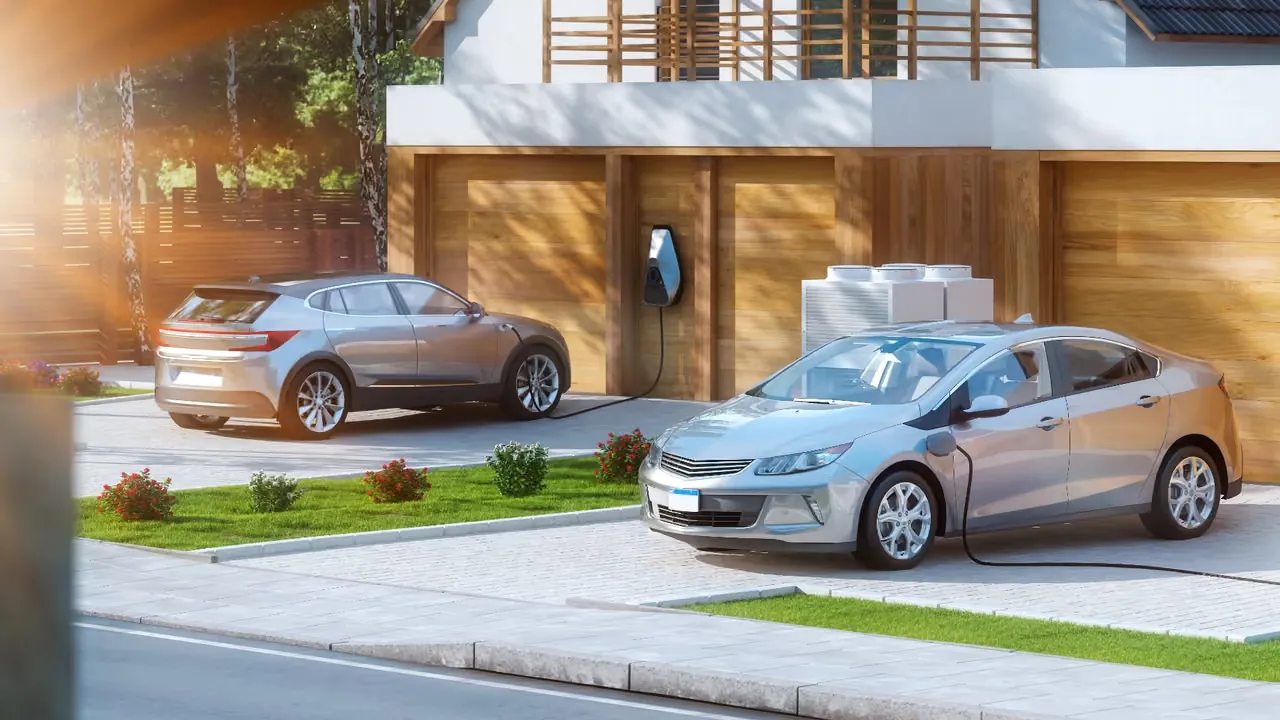
Walk down any busy city street today, and you might notice something strange — it’s quieter. Not just because of fewer honks or less construction, but because the rumble of engines is fading. Electric vehicles (EVs) are changing the soundscape of urban life in subtle, surprising ways.
How EVs Contribute to Quieter Urban Environments
Electric motors hum softly instead of roaring, and without the traditional combustion engine, the streets lose much of their mechanical growl. At low speeds, EVs are almost silent, gliding past pedestrians and cyclists with barely a whisper. This isn’t just a minor perk; it’s a fundamental shift in the urban soundtrack.
Studies have shown that the average noise level near roads with a high concentration of EVs drops significantly. With governments around the world promoting electric mobility, we’re witnessing a widespread reduction in traffic noise pollution. This means less stress for city dwellers, improved concentration for students, and a more pleasant environment in parks and public spaces.
Lower Noise Means Healthier Cities
Noise pollution is linked to various health issues, including sleep disturbances, cardiovascular problems, and increased anxiety. By cutting down on the constant hum and roar of gasoline engines, EVs are indirectly improving public health. Urban planners and environmentalists have hailed this as one of the quiet revolutions in sustainable city living.
Unexpected Challenges of Reduced Noise
But quieter streets bring unexpected problems. One key concern is pedestrian safety. In the past, the sound of an engine alerted pedestrians and cyclists to an approaching vehicle. Now, silent EVs can sneak up unexpectedly, especially at low speeds where tire and wind noise are minimal.
To combat this, many automakers have started installing artificial noise generators in EVs, mimicking engine sounds or other alert tones. While this helps prevent accidents, it also reintroduces noise — albeit controlled and less intrusive — back into the environment. The challenge is finding the right balance between silence and safety.
Beyond safety, the changing soundscape affects the city’s ambiance. The typical urban cacophony of engines, horns, and exhaust has been part of city identity for over a century. Some worry that removing these familiar sounds could make cities feel too sterile or unnatural.
Innovative City Planning Inspired by Quieter Streets
Urban designers are seizing the opportunity to rethink city soundscapes. With lower baseline noise levels, subtle sounds — birdsong, rustling leaves, footsteps — can now be highlighted rather than drowned out. Planners are incorporating “quiet zones” where the emphasis is on natural or ambient sounds, creating peaceful urban oases.
Innovations include:
- Sound gardens: Parks designed to amplify gentle natural sounds while buffering out residual traffic noise.
- Acoustic architecture: Building materials and layouts that enhance or absorb specific sounds to craft pleasant auditory experiences.
- Smart traffic management: Coordinating EV flows to minimize sudden noise spikes, maintaining a steady, calm sound environment.
These efforts are not just aesthetic. They influence how people use public spaces, encouraging outdoor activities, social interaction, and even local commerce by making streets more inviting.
Future Prospects Balancing Silent EVs with Vibrant Urban Life
As EV adoption grows, cities face a delicate balancing act. Total silence might seem ideal for reducing stress, but an entirely muted environment risks stripping cities of their character and dynamism. The future may lie in a nuanced soundscape — one where silence is punctuated by intentional, pleasant sounds.
Imagine streets where electric buses glide silently past, while carefully designed auditory cues signal their approach. Sidewalk cafés might feature curated soundscapes blending music and nature, taking advantage of the quieter urban backdrop. Even public art installations could incorporate sound, transforming noise from a nuisance into a cultural asset.
EVs are more than just vehicles; they are catalysts for a sensory transformation of cities. Their silent presence is prompting us to rethink what we want to hear — and not hear — in our daily lives. The revolution isn’t just in cleaner air or greener transportation, but in the very soundtrack of urban living itself.