Understanding the Roots of EV Range Anxiety
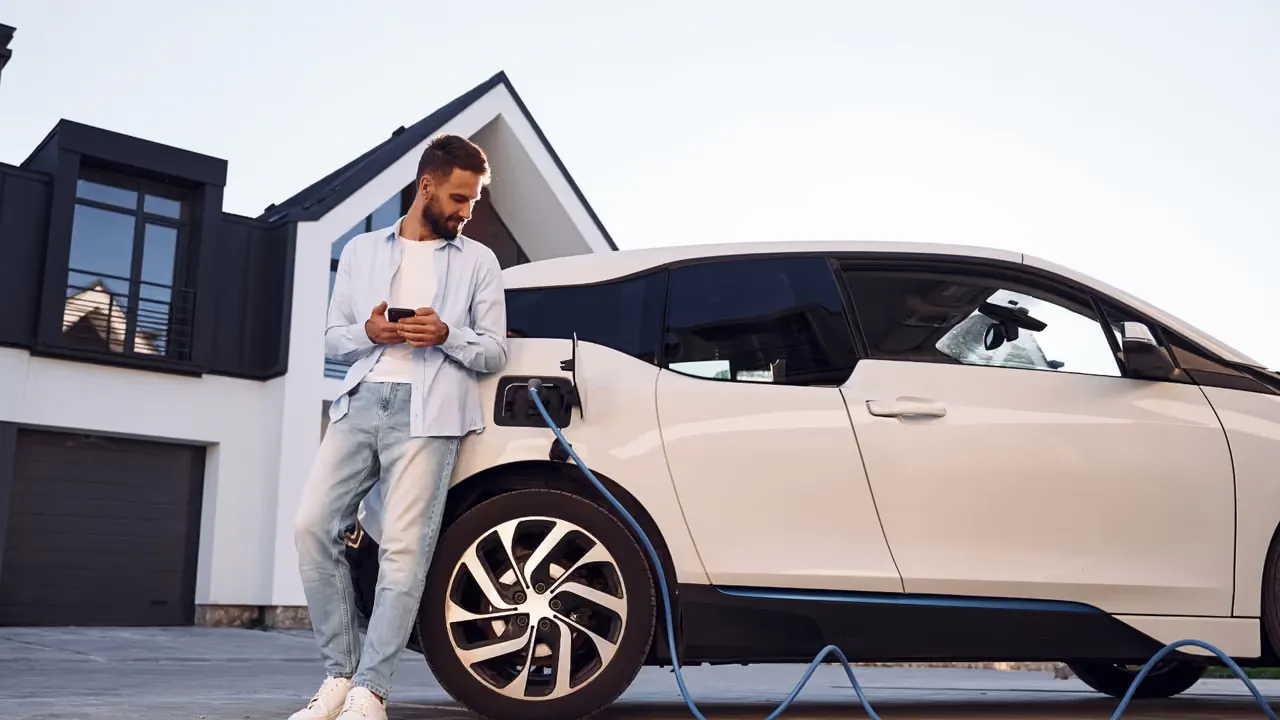
Why does the fear of running out of battery still loom large for many electric vehicle (EV) drivers, even as battery technology and charging networks improve? This question digs into the less obvious side of EV adoption—the psychological maze of range anxiety. It turns out that this anxiety shapes how drivers interact with their vehicles and charging infrastructure in ways that go far beyond the capacity of their batteries or the availability of charging stations.
Understanding Range Anxiety More Than Just a Battery Issue
Range anxiety is often simplified as a fear of running out of battery before reaching a charging point. But this explanation barely scratches the surface. It’s a multifaceted psychological condition rooted in uncertainty, control, and trust. While early EVs had limited range and slow charging, today’s models often exceed 200 miles per charge, and fast chargers are becoming more common. Yet, many drivers still exhibit cautious and sometimes irrational charging behaviors.
The psychology behind this is complex. Humans are wired to avoid uncertainty and negative outcomes. Running low on battery is not only an inconvenience but also a symbol of vulnerability—being stranded in unfamiliar places, dealing with complex charging protocols, or feeling judged by others. This emotional charge makes range anxiety a lived experience that lingers even when objective risks are low.
Behavioral Changes in EV Drivers Due to Range Anxiety
Range anxiety doesn’t just affect thoughts; it alters how people drive and charge. Some of these behaviors include:
- Frequent top-ups: Instead of charging only when necessary, drivers plug in more often to avoid the stress of low battery. This can mean shorter, more frequent charging sessions that don’t maximize the battery’s efficient use.
- Overestimating charging needs: Drivers may avoid trips they perceive as borderline in terms of range, even if their vehicle could handle them comfortably.
- Charging early and often: Unlike the “fill up when empty” mindset with gas cars, EV drivers often “fill up” at 60% or 70% battery to feel secure, which can sometimes reduce battery longevity.
- Route planning obsession: Some become hyper-focused on route planning apps and charging station locations, adding a cognitive load to their journeys.
These habits create a feedback loop where the fear of running out leads to behaviors that paradoxically increase stress and inconvenience. Charging becomes less about necessity and more about reassurance.
Innovative Psychological Approaches to Alleviate Charging Stress
Recognizing that range anxiety is not just a technical problem, several companies and researchers are exploring psychological tools to change the EV charging experience:
- Real-time confidence indicators: Some car interfaces now show dynamic range estimates that factor in driving style, weather, and terrain. This transparency reduces uncertainty by offering a clearer picture of how far one can really go.
- Gamification: Apps that reward efficient charging habits or offer achievements for planning long trips encourage positive engagement rather than fear-driven decisions.
- Community sharing platforms: Drivers can share charging spot availability and tips, building a sense of support and reducing isolation in unfamiliar areas.
- Mindfulness and education: Workshops and digital content help drivers understand battery health, optimal charging practices, and how to interpret range estimates realistically.
These approaches tap into human psychology by promoting control, reducing uncertainty, and creating positive feedback loops that reframe charging from a source of anxiety into an empowering routine.
The Future of EV Charging Designing for Driver Confidence
The next wave of innovation won’t just be about bigger batteries or more chargers. It will be about designing systems and experiences that restore trust and confidence to the driver’s journey. Imagine an EV ecosystem where:
- Charging stations communicate proactively: Instead of drivers guessing availability, chargers broadcast real-time vacancy and wait times.
- Integrated trip planners: Seamless in-car systems automatically adjust routes and charging stops based on live data and user preferences, minimizing decision fatigue.
- Personalized range psychology: AI that learns individual driving habits, anxiety triggers, and preferred comfort levels to tailor notifications and suggestions.
- Charging as a social experience: Stations designed as hubs with amenities, where charging times become opportunities for rest, work, or socializing, transforming the perception of inconvenience.
Range anxiety may never disappear completely, but its grip can loosen when EV charging evolves from a mix of guesswork and technical necessity into a thoughtfully crafted human experience. The real revolution lies in how we understand and design for the emotional journey of driving electric, not just the mechanical one.