Storm Ready EV Chargers Lead the Way
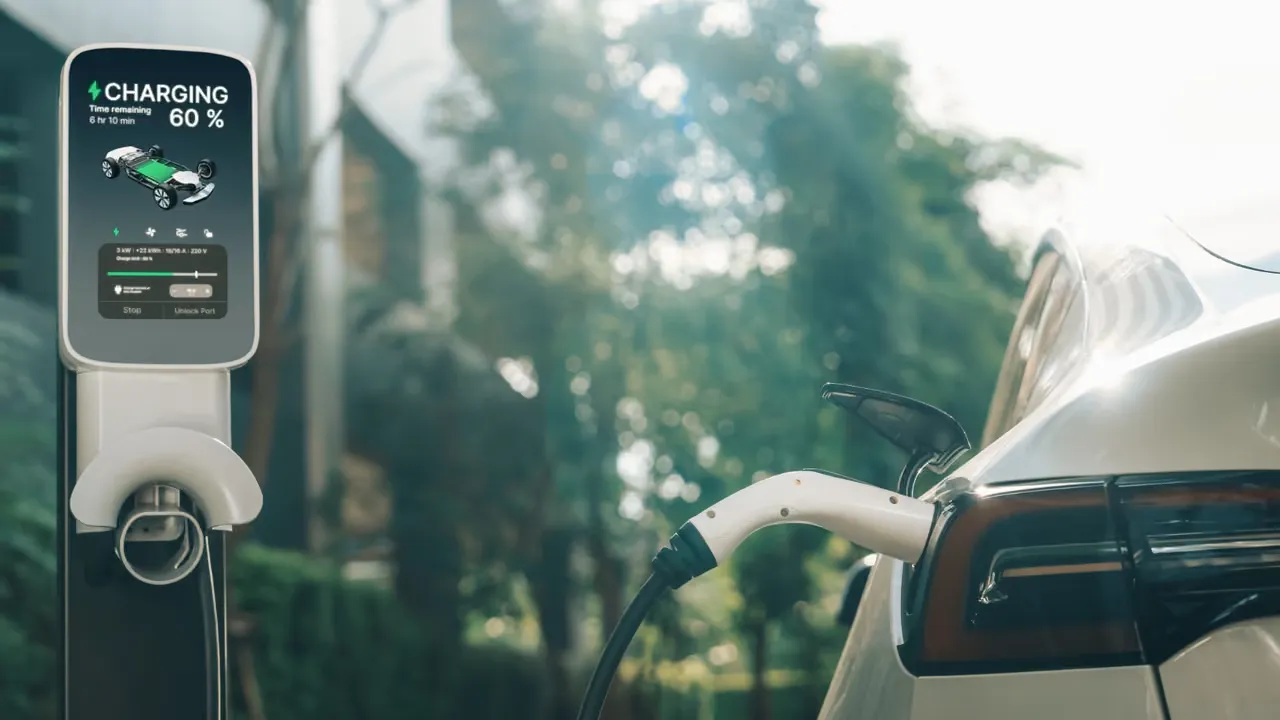
Imagine pulling up to an EV charging station on a blistering summer afternoon in the desert, or after a blizzard has dumped feet of snow around a remote mountain town. You plug in your electric vehicle only to find the charger unresponsive or, worse, malfunctioning. As electric vehicles become more common, ensuring that charging infrastructure works reliably and safely in extreme weather conditions is no longer a luxury—it’s a necessity.
Challenges of EV Charging in Extreme Weather Heat Cold and Storms
Electric vehicle chargers face a unique set of problems when exposed to harsh environmental conditions. In scorching heat, components inside chargers can overheat, leading to reduced efficiency or permanent damage. Electronics and battery systems are sensitive to temperature fluctuations, and extreme heat accelerates wear and tear.
Conversely, freezing temperatures bring their own headaches. Cold weather thickens cables, making them harder to handle, and can reduce the efficiency of power electronics. Ice buildup on connectors can prevent a secure connection, and condensation risks short circuits or corrosion inside the charging unit.
Storms add another layer of complexity. Heavy rain, flooding, and lightning strikes threaten the physical and electrical integrity of chargers. Water ingress can cause failures or dangerous electrical faults, while lightning can induce power surges that fry delicate circuits. Wind-driven debris and falling branches can physically damage charging stations, especially those installed outdoors without shelter.
Technological Innovations Enhancing Weather Resilient EV Chargers
The EV charging industry is rising to these challenges with a wave of technological innovations designed to keep chargers operational and safe regardless of weather.
- Thermal Management Systems – Modern chargers incorporate advanced cooling and heating elements. Liquid cooling loops, heat sinks, and phase-change materials help dissipate heat during hot days, while embedded heating pads prevent freezing temperatures inside critical components.
- Weatherproof Enclosures – IP-rated enclosures (Ingress Protection) are standard, often reaching IP67 or higher, making chargers dust-tight and water-resistant. Some designs include sealed connectors and self-draining housings to prevent water accumulation.
- Smart Sensors and Diagnostics – Sensors monitor temperature, humidity, and electrical load in real time. If conditions approach unsafe thresholds, the charger can automatically adjust power output or shut down to prevent damage and alert maintenance teams.
- Robust Electrical Protection – Surge protectors and circuit breakers guard against power spikes caused by lightning or grid instability. Isolation transformers and galvanic isolation reduce risks of electrical faults and improve user safety.
- Heated Cable Systems – In cold climates, charging cables embedded with heating elements prevent ice accumulation and maintain flexibility, ensuring connectors plug in smoothly even in freezing conditions.
Case Studies Successful Implementations in Harsh Climates
Some regions have pioneered designs and deployments that prove EV charging technology can thrive in the worst conditions.
Arizona Desert Heat
Utilities and charging companies in Arizona have adapted stations to survive summer temperatures exceeding 110°F (43°C). They deploy chargers with active liquid cooling systems and reflective coatings that reduce heat absorption. These stations also use shaded canopies to protect users and equipment from direct sunlight.
Alaska’s Bitter Cold
In Alaska, where temperatures can plunge below -40°F (-40°C), chargers feature insulated and heated enclosures. Heated cables ensure that users can plug in without struggling with frozen connectors. Remote monitoring systems alert operators to potential failures before they occur, minimizing downtime in areas where repair crews take longer to arrive.
Coastal Storm Zones
Along hurricane-prone coastlines in the Southeastern United States, EV chargers are mounted on elevated platforms to avoid flood damage. Waterproof and corrosion-resistant materials extend equipment life despite salt spray and high humidity. Lightning arresters and grid stabilization equipment protect against frequent power surges during storms.
Future Directions Designing EV Charging Infrastructure for Climate Resilience
As climate change drives more extreme weather events, EV charging infrastructure must evolve beyond reactive fixes toward built-in resilience.
- Modular and Adaptable Designs – Chargers that can be easily upgraded or reconfigured to handle changing climate conditions will become standard. This includes plug-and-play thermal modules and sensor packages.
- Distributed Energy and Storage Integration – Pairing chargers with local solar panels and battery storage can help maintain power during grid outages caused by storms or heatwaves.
- Advanced Materials – Development of new composites and coatings that better withstand UV radiation, corrosion, and mechanical impacts will prolong charger lifespans.
- AI and Predictive Maintenance – Machine learning algorithms will analyze weather data and operational metrics to anticipate failures and optimize charger performance dynamically.
- Urban and Landscape Planning – Strategic placement of chargers in sheltered locations, use of natural barriers, and integration with smart city infrastructure will reduce exposure and improve user safety.
EV charging technology is no longer just about speed and convenience. It’s about creating a resilient foundation for the electrified transportation future, one that can endure the fiercest storms, the coldest nights, and the hottest days without faltering.