Six Ways EV Sounds Impact Drivers
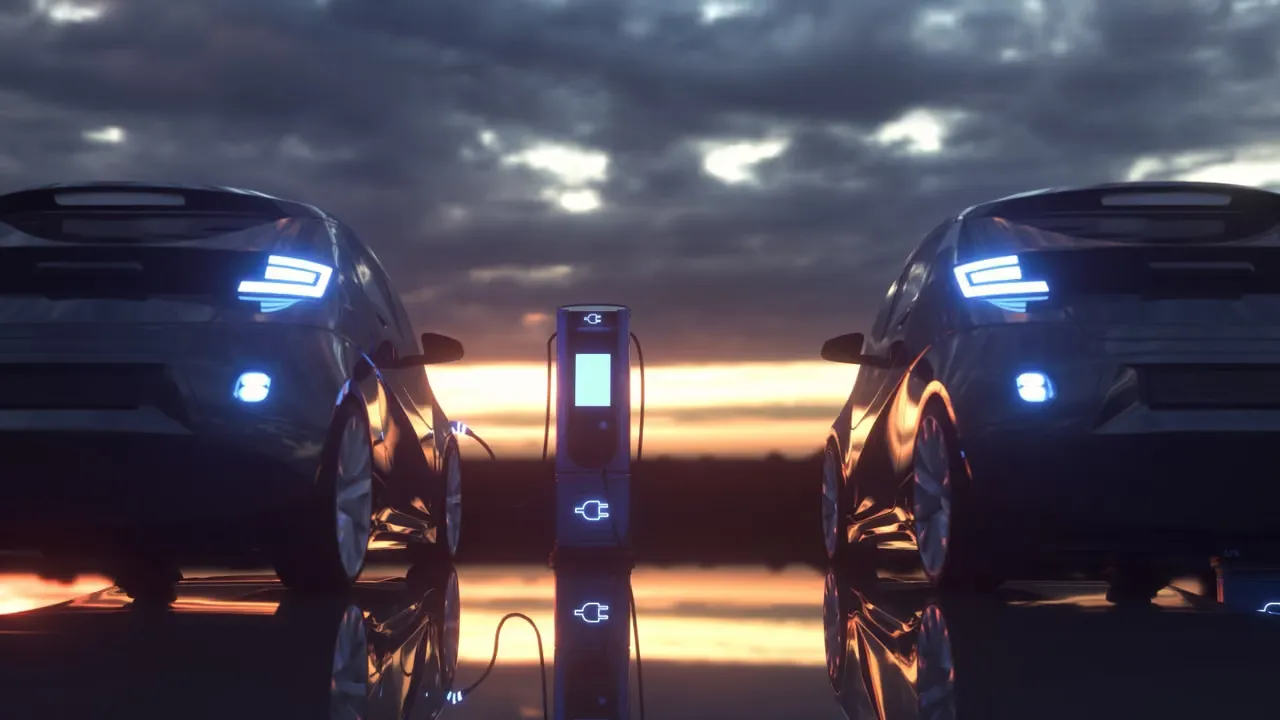
Step inside an electric vehicle and the first thing you might notice is what you don’t hear. The familiar hum of a combustion engine fades away, replaced by an almost eerie silence. But this silence is far from empty. Behind the quiet veneer, a carefully crafted soundscape is at work—one that shapes how drivers feel, how pedestrians respond, and how cities breathe.
The Role of Artificial Sounds in Enhancing EV Safety and Driver Feedback
Electric vehicles, by their very nature, lack many of the mechanical noises that warn pedestrians and other drivers of their presence and actions. This absence has pushed automakers and sound engineers to invent new auditory cues. It’s not just about avoiding accidents; it’s about rebuilding a language of movement.
Take the pedestrian alert sounds mandated by many governments. When an EV creeps forward at low speeds, it emits a soft whir or a futuristic hum. These sounds are designed to be noticeable but not intrusive, striking a balance between safety and comfort. Inside the cabin, artificial engine noises or feedback tones help drivers gauge acceleration and deceleration—something that traditional gas engine drivers take for granted.
What’s fascinating is how these sounds are tuned to convey information intuitively. For example, a higher-pitched whine might signal increased torque, while a subtle pulsing rhythm could indicate regenerative braking. This auditory feedback enhances the driver’s connection to the vehicle’s electric heart, compensating for the lack of physical vibration and engine roar.
How Automakers Use Sound Design to Create Brand Identity in EVs
Sound isn’t just functional; it’s deeply emotional. Car brands have long relied on engine growls and exhaust notes to build character and loyalty. The shift to electric powertrains forced a rethink: how do you create a signature sound that’s instantly recognizable, yet fits the silent nature of EVs?
Some manufacturers have embraced the challenge with enthusiasm. Porsche’s Taycan, for instance, features a distinctive accelerating sound that nods to its sports car heritage, blending futuristic tones with a hint of mechanical grit. BMW’s i series uses a layered, harmonic soundscape that feels both technological and refined.
This sound branding extends beyond acceleration. Door chimes, startup tones, and even turn signals are carefully designed to reinforce the brand’s personality. Sound designers work closely with marketing teams to ensure these auditory elements resonate on a subconscious level, turning an EV into a rolling ambassador for the brand.
Impact of EV Sounds on Urban Noise Pollution and Pedestrian Awareness
One of the main selling points of EVs is their promise to reduce noise pollution, especially in dense urban environments. Yet the introduction of artificial sounds complicates this narrative. While the absence of engine roar cuts down on low-frequency noise, the added synthetic sounds occupy different acoustic spaces.
Pedestrians and cyclists, often the most vulnerable road users, benefit from these sounds, which make EVs more detectable. However, the proliferation of varying artificial sounds from different manufacturers could create a patchwork of unfamiliar noises, potentially leading to confusion or desensitization over time.
Urban planners and policymakers are beginning to take notice. Some cities are exploring regulations on EV sound levels and character to maintain a pleasant acoustic environment while ensuring safety. There’s a growing realization that sound design in EVs doesn’t just affect individual cars—it shapes the evolving soundscape of our streets.
Future Trends in EV Sound Design Balancing Technology Regulation and User Experience
Looking ahead, the sound world of electric vehicles is poised for innovation and complexity. Advances in artificial intelligence and adaptive sound systems could allow EV sounds to change dynamically based on environment, speed, or driver mood. Imagine a car that modulates its alert tones when driving through a quiet park versus a bustling commercial street.
Regulatory frameworks will also play a crucial role. Governments worldwide are still grappling with how loud or distinctive these warning sounds should be. The challenge lies in crafting standards that promote safety without turning cities into cacophonies of synthetic noise.
Then there’s personalization. As consumers grow more accustomed to EVs, the demand for individualized sound signatures may rise. Drivers might choose from a palette of soundscapes, from calming to sporty, transforming their EV into a personal audio experience on wheels.
In this evolving landscape, sound design in electric vehicles is not just about replacing lost noise—it’s about creating a new dialogue between car, driver, pedestrian, and city. A dialogue where silence is just the starting point.