Shared Charging Plans Strengthen Local Grids
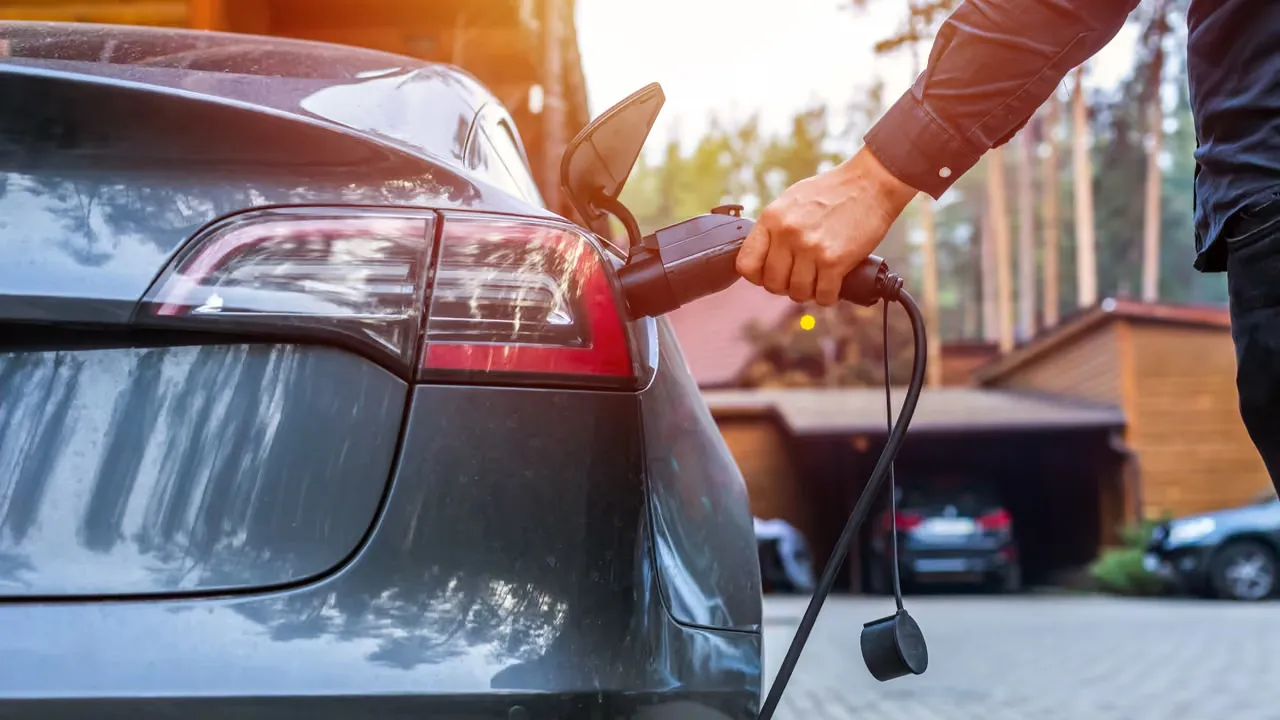
On many quiet residential streets, the hum of an electric vehicle (EV) charger is becoming a new kind of background noise. As more households adopt EVs, the way and when they charge is starting to shape neighborhood energy consumption patterns in ways that utilities and communities are still learning to manage.
How EV Charging Times Create Neighborhood Energy Peaks
Most EV owners plug in their vehicles after returning home from work—typically between 5 and 9 p.m. This evening window coincides with other household energy uses such as cooking, heating, cooling, and lighting. The result is a sharp surge in electricity demand, often called a “peak,” that can stress local transformers and distribution lines.
Unlike traditional appliances, EV chargers draw a steady, high power load for long periods, sometimes several hours. Multiply that by dozens or hundreds of EVs in a neighborhood, and the cumulative effect can be significant. Neighborhoods that once saw a smooth, predictable electricity demand curve now experience sharp spikes, challenging the stability and efficiency of local grids.
Why Timing Matters
- Grid Strain: Concentrated charging during peak hours increases the risk of transformer overheating and may lead to outages.
- Higher Costs: Utilities often charge more during peak demand times, so uncoordinated charging can lead to higher bills for consumers.
- Environmental Impact: Peak demand periods often rely on less efficient, dirtier power plants to meet the surge, increasing emissions.
Community-Based Strategies to Balance EV Charging Loads
Communities are beginning to recognize that managing EV charging behavior collectively can ease these peaks. Instead of each household charging independently, neighborhoods can adopt coordinated strategies to spread out the demand over time.
One simple approach is to encourage residents to delay charging until after peak hours or to schedule charging during the night when overall demand is lower. Local governments and utility companies can promote these behaviors through education programs and incentives.
Some neighborhoods have experimented with group agreements or informal “charging clubs,” where members share information about their charging schedules to avoid overlapping peaks. This peer coordination fosters a sense of shared responsibility and can reduce costs for everyone.
Practical Community Measures
- Time-of-use pricing: Utilities set lower rates for off-peak hours, motivating residents to charge overnight.
- Charging curfews: Some communities encourage or mandate limits on charging during high-demand periods.
- Shared charging stations: Strategically located public chargers can help distribute load more evenly across neighborhoods.
Technological Solutions for Smart, Coordinated Charging
Beyond behavioral changes, technology offers powerful tools for managing neighborhood EV charging loads. Smart chargers equipped with communication capabilities can respond dynamically to grid conditions and pricing signals.
For example, a smart charger might automatically reduce its charging rate when the grid is under stress or delay charging until demand drops. When aggregated across many homes, these adjustments can flatten peak loads significantly.
Utilities are increasingly deploying advanced energy management platforms that monitor real-time consumption and control smart chargers remotely. These systems can:
- Schedule charging windows tailored to grid capacity and renewable energy availability.
- Prioritize charging for vehicles with the most urgent needs.
- Integrate with home energy systems, balancing EV charging with solar generation and battery storage.
Vehicle-to-grid (V2G) technology is another frontier, allowing EVs to feed energy back to the grid during peak times. This turns parked EVs into distributed energy resources that support neighborhood stability rather than strain it.
Benefits of Collaborative Energy Management for Residents and Utilities
When communities and utilities work together to manage EV charging, everyone gains. For residents, smarter charging means lower electricity bills, more reliable power, and a reduced carbon footprint. It can also avoid costly infrastructure upgrades that would otherwise be needed to handle peak loads.
Utilities benefit from improved grid stability and the ability to integrate more renewable energy sources, which are often variable in supply. Coordinated charging reduces the need for expensive peaking power plants and lowers operational risks.
Moreover, a community approach builds awareness and engagement around energy use, fostering a culture of sustainability that goes beyond EVs alone. As electric vehicles become the norm, these collaborative strategies will be essential for turning the promise of clean transportation into a practical reality for neighborhoods everywhere.