Saving Power by Repurposing EV Batteries
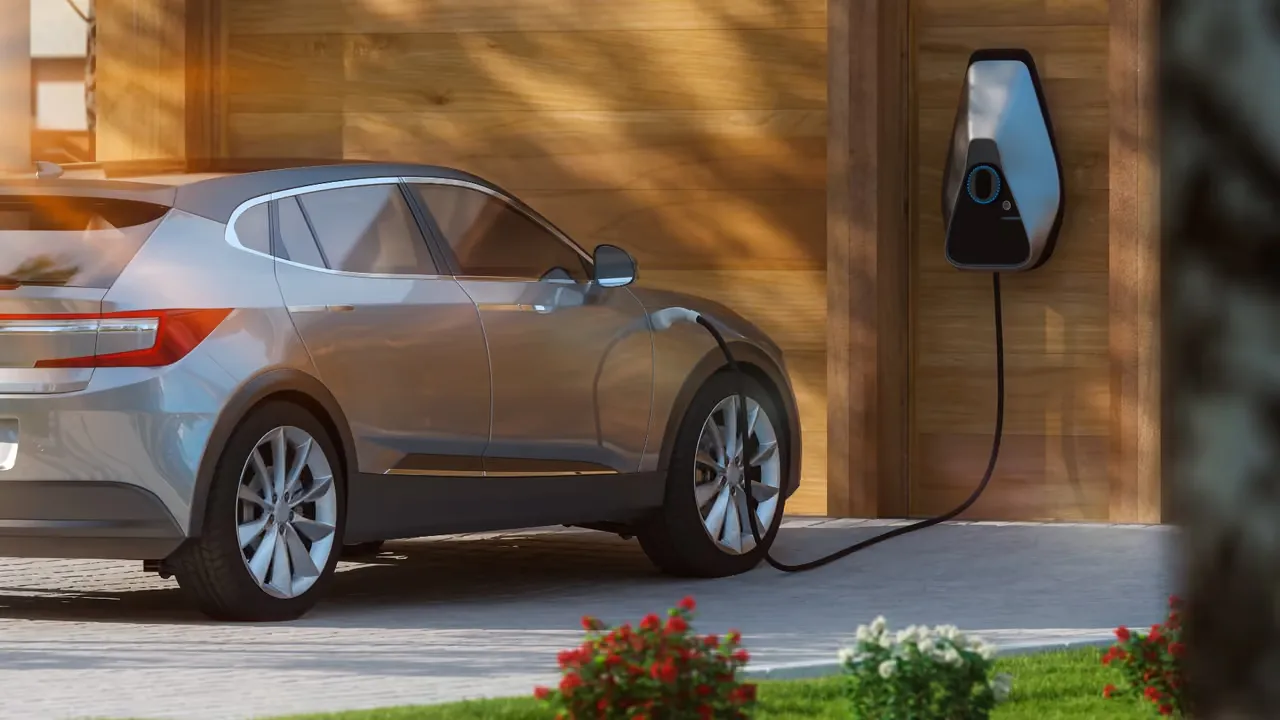
How One Family Turned Their Old EV Batteries Into a Power Backup
When Sarah and Mike’s electric vehicle reached 80,000 miles, they faced a familiar dilemma: the car still ran fine, but the battery performance had dropped below 70% capacity—a common threshold for replacement. Instead of sending their old EV batteries to recycling centers, the couple got curious about giving these power packs a second life. After some research and a bit of trial and error, they transformed their retired EV batteries into a home energy storage system that now smooths out their electricity use and offers backup during outages.
Understanding When and Why EV Batteries Retire
Electric vehicle batteries don’t simply fail overnight. Most EV manufacturers consider the battery “retired” when its capacity dips below 70-80% of the original. Typically, this happens after 8-12 years or around 100,000 miles, depending on driving habits and climate conditions.
The reasons for retirement are practical: diminished range, slower charging, and reduced efficiency make the battery less reliable for driving. But these batteries often retain 60-80% capacity, which is more than enough for stationary energy storage applications.
This gap between automotive usefulness and raw capacity is where creative homeowners find opportunity. Instead of junking these batteries, they can be repurposed to store solar energy, shave peak electricity costs, or provide emergency backup power.
How to Convert Retired EV Batteries Into Home Energy Storage
Repurposing EV batteries isn’t plug-and-play, but it’s increasingly accessible with the right approach. Here are the practical steps involved:
- Battery Assessment: Before anything, test the battery’s current capacity, voltage, and health. This usually involves specialized diagnostic tools or professional assistance to ensure the battery cells are still balanced and safe.
- Disassembly and Module Selection: EV batteries are made of multiple modules. Not all modules degrade evenly, so selective removal of the healthiest modules optimizes performance. Some DIYers prefer to work with entire battery packs, while others rebuild smaller banks from modules.
- Battery Management System (BMS) Integration: A robust BMS is critical. It monitors cell voltages, temperatures, and balances charging and discharging to prevent damage or hazards. Off-the-shelf BMS units tailored for lithium-ion packs can be adapted for EV modules.
- Inverter and Power Electronics: To use stored energy for typical home appliances, the DC battery power must convert to AC. Pairing your battery bank with an inverter designed for solar or off-grid use is essential.
- Installation and Wiring: Properly housing the battery bank in a ventilated, fire-resistant enclosure is crucial. Wiring should follow electrical codes, ideally with the help of a professional electrician.
Many EV owners pair these battery banks with rooftop solar panels, creating a self-sufficient energy ecosystem that reduces reliance on the grid.
Safety and Technical Tips for DIY Battery Reuse
Working with high-voltage lithium-ion batteries is not without risks. Here are some hard lessons and precautions to keep in mind:
- Personal Protective Equipment (PPE): Always wear insulated gloves, eye protection, and use insulated tools.
- Proper Ventilation: Batteries can emit hazardous gases under stress. Ensure your battery enclosure is ventilated.
- Avoid Short Circuits: Double-check all wiring connections and never bypass fuses or safety circuits.
- Temperature Management: Lithium-ion batteries perform best and safest when kept within recommended temperature ranges—install cooling or heating if necessary.
- Consult Experts: When in doubt, work with or seek advice from professionals experienced in battery management and electrical installations.
Ignoring these precautions can lead to fires, electric shocks, or permanent damage to your battery bank.
Real Homeowners Making It Work
Sarah and Mike aren’t alone in this venture. Across the country, EV owners are experimenting with battery repurposing:
- Tom from Oregon retrofitted a Nissan Leaf battery pack into a 10 kWh home storage system. Coupled with his solar panels, Tom now powers his home during cloudy days and keeps the lights on during grid outages.
- Linda in Texas used modules from a retired Chevy Bolt battery to create a modular energy bank. She designed the setup to scale as she acquires more battery packs, aiming for full home energy independence.
- Raj in California built a compact battery wall using Tesla Model S modules. His system integrates with smart home energy management software, optimizing when to charge and discharge based on utility rates.
These projects show that with patience and care, repurposed EV batteries can become a practical, cost-effective way to store energy at home, reduce electricity bills, and increase resilience in an uncertain grid environment.