Rural Roads Get a Silent Revolution
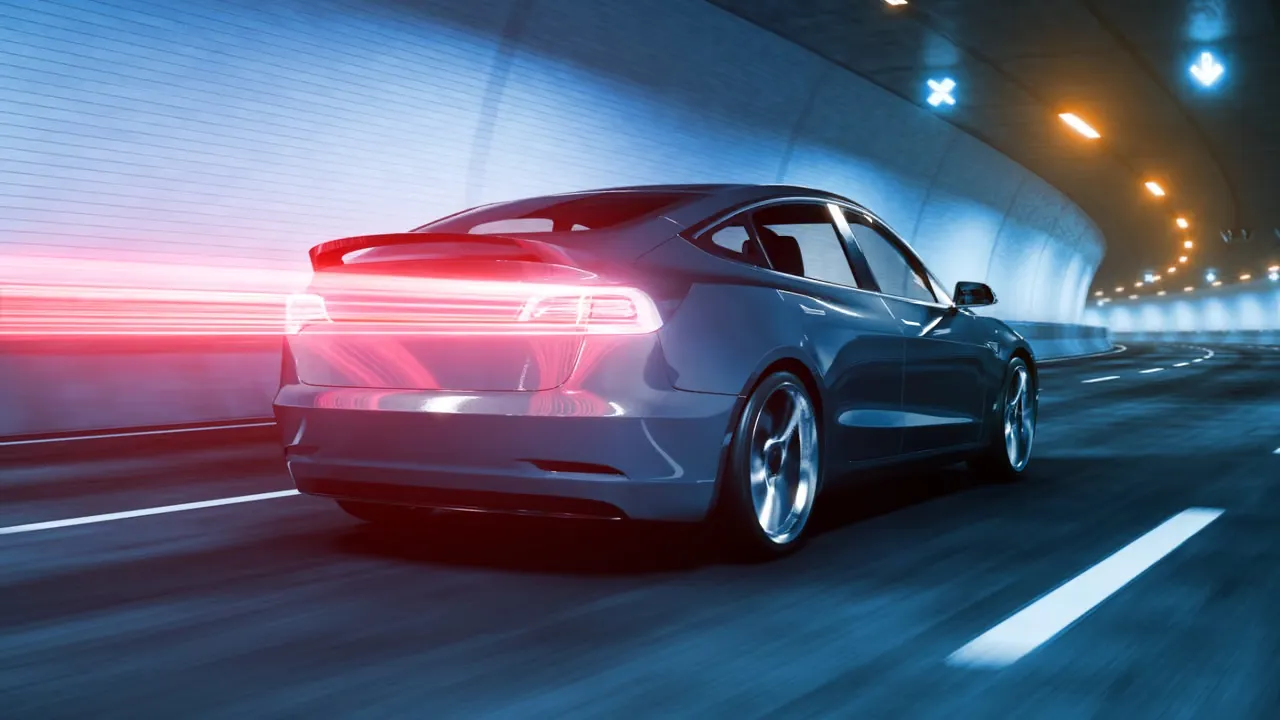
Imagine a farmer in a remote valley, miles from the nearest town, relying on a diesel pickup truck that guzzles fuel and struggles on unpaved roads. For decades, rural residents like this farmer have faced limited transportation options, with high costs and environmental impacts making travel and access to services difficult. Now, electric cars are quietly changing that landscape, bringing new life to rural mobility and opening doors once thought too distant.
Challenges of Rural Transportation Before Electric Vehicles
Rural transportation has long been plagued by several issues. Distances between homes, workplaces, schools, and healthcare facilities are often vast, making daily travel time-consuming and expensive. Traditional vehicles in these areas tend to be larger, fuel-inefficient trucks or SUVs, necessary for rough terrain but costly to operate. Fuel stations can be sparse, forcing residents to travel extra miles just to refuel.
Moreover, the environmental impact in rural areas hasn’t been overlooked. While rural populations usually have lower traffic volumes, reliance on fossil fuels affects air quality and contributes to noise pollution. For many, the cost of maintaining and running a gasoline or diesel vehicle can be a significant financial burden.
Limited Accessibility and Isolation
- Poor road conditions: Many rural roads are unpaved or poorly maintained, increasing wear and tear on vehicles.
- Sparse public transportation: Lack of reliable buses or trains means personal vehicles are essential.
- Fuel availability issues: Gas stations are often miles apart, complicating long-distance travel.
- Economic constraints: Lower incomes make fuel and vehicle maintenance costs harder to bear.
Benefits of Electric Cars in Remote and Rural Settings
Electric vehicles (EVs) offer a unique solution to many of these challenges. Their low operating costs and reduced maintenance needs immediately appeal to rural residents. Electric motors require less upkeep than internal combustion engines, and electricity is often cheaper than gasoline, especially if residents can tap into local renewable energy sources like solar panels.
In addition, EVs provide quiet, emission-free travel, improving the quality of life in rural communities. Noise pollution drops, and air quality improves, which benefits health and preserves the natural environment.
Specific Advantages for Rural Drivers
- Lower fuel costs: Electricity costs less than gasoline, and home charging means no more detours to distant fuel stations.
- Reduced maintenance: Fewer moving parts lead to fewer repairs and less downtime.
- Better torque for rough terrain: Electric motors deliver instant torque, which helps in navigating uneven or hilly roads.
- Environmental protection: Zero tailpipe emissions help preserve the often-pristine rural environments.
Infrastructure Developments Enabling EV Use in Less Populated Regions
One of the biggest hurdles for EV adoption in rural areas has been the lack of charging infrastructure. Unlike urban centers where charging stations are becoming common, rural regions have lagged behind. However, this is changing rapidly.
Government grants and private investments are funding the installation of fast chargers along rural highways and in small towns. Community initiatives are also promoting the use of solar-powered charging stations that fit well with rural energy independence goals.
In some cases, local cooperatives have stepped in to build microgrids combining renewable energy and EV charging, allowing remote communities to support clean transportation without relying on distant power plants.
Key Infrastructure Trends
- Expansion of public charging networks: Targeting rural highways and town centers to reduce range anxiety.
- Home charging innovations: Affordable, off-grid solutions using solar panels and battery storage.
- Community energy projects: Local renewable power generation linked to EV charging hubs.
- Improved vehicle range: New EV models with longer ranges better suit rural travel needs.
Future Opportunities Integrating EVs with Rural Economic Growth
Electric vehicles are not just changing how people move—they’re also becoming catalysts for rural development. The shift to EVs encourages investment in green technologies, which can bring new jobs and opportunities to remote areas.
Farmers and rural businesses can integrate EVs and renewable energy systems to cut costs and increase sustainability. For example, electric utility vehicles on farms reduce fuel expenses, while solar-powered EV charging can become an additional income source if surplus energy is sold back to the grid.
Tourism in scenic rural locations may also benefit as more visitors arrive in quiet, emission-free vehicles that align with eco-friendly values. This can stimulate local economies without the environmental trade-offs that traditional tourism sometimes entails.
Furthermore, educational programs focused on EV maintenance and renewable energy can provide rural youth with skills and career paths in emerging industries, helping to reverse brain drain from rural to urban areas.
The transformation is well underway, and rural communities that embrace electric vehicles and supporting infrastructure stand to gain more than just cleaner transportation—they gain a foothold in the green economy of the future.