Rethinking Urban Spaces for Electric Cars
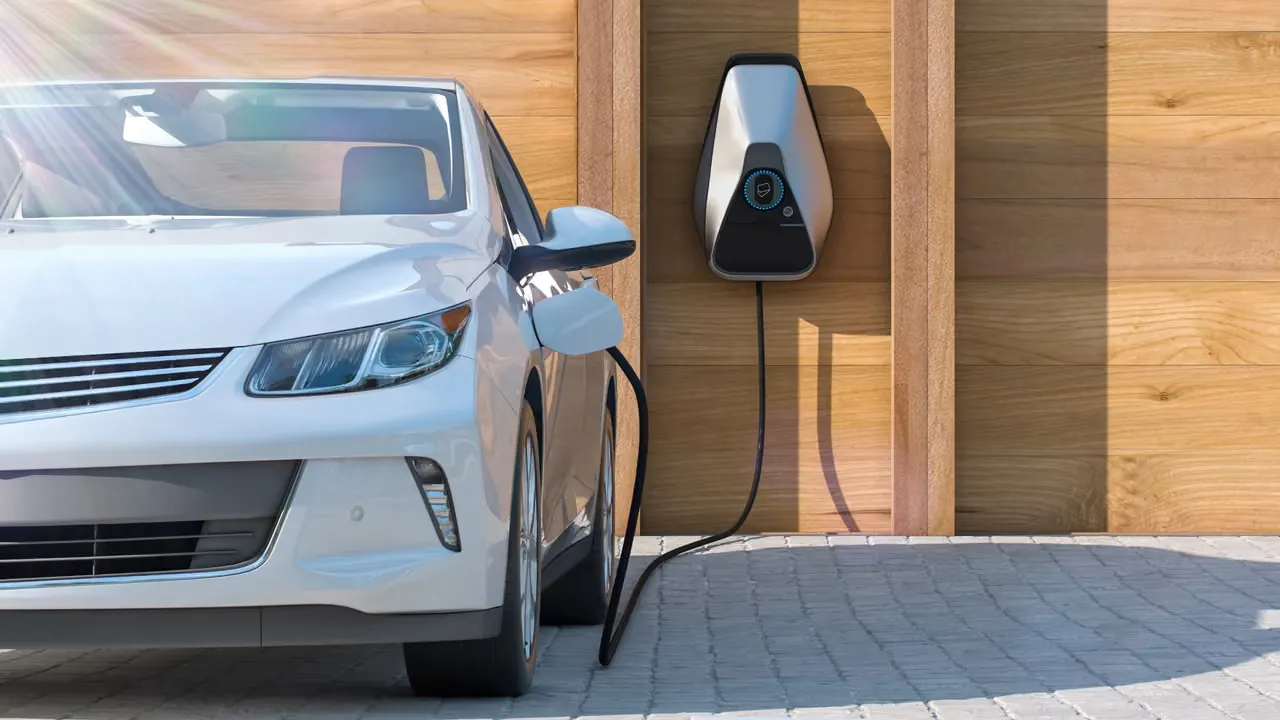
In many cities, the sight of electric vehicles (EVs) parked in odd places or hogging traditional spaces has become a common scene. This isn’t just a fleeting inconvenience; it signals a deeper challenge for urban planners and city officials. As EVs become more than just a niche market, the infrastructure supporting them—especially parking—is undergoing a quiet revolution that goes far beyond simply adding charging stations.
The rise of EVs demands rethinking urban parking design
EV adoption is no longer a slow trickle; it’s a tidal wave reshaping how cities operate. Traditional parking lots and garages, designed with combustion engine vehicles in mind, often lack the electrical infrastructure, space allocation, and smart management needed for EVs. The challenge isn’t just about plugging in cars—it’s about reimagining the entire parking ecosystem to accommodate new behaviors and requirements.
For example, EV charging times vary widely, from quick 15-minute top-ups to several hours for full charges. This creates a complex demand pattern that traditional parking spots don’t address. Simply adding chargers to existing parking spaces can lead to congestion and frustration because the spots may be occupied by vehicles that don’t need charging or by EVs parked too long after charging is complete.
Integrating multi-purpose EV parking spaces with amenities
Urban planners are moving toward multi-functional EV parking spaces that serve more than one need. Instead of single-purpose spots, these areas incorporate amenities aimed at enhancing the user experience and making better use of the space.
- Retail and dining integration: Parking spaces near shops and cafes are being equipped with EV chargers. Drivers can charge their cars while grabbing a coffee or shopping, turning idle charging time into productive or leisurely moments.
- Work and relaxation hubs: Some cities have introduced EV parking spots integrated with outdoor seating, Wi-Fi, and even small coworking pods, recognizing that drivers may spend significant time charging and could benefit from comfortable, connected environments.
- Green spaces and urban art: To soften the utilitarian feel, EV parking zones are being designed with greenery and public art. This not only improves aesthetics but also encourages more sustainable urban living.
This approach shifts the perception of EV parking from a mundane necessity to a thoughtful, integrated part of urban life.
Smart parking systems tailored for EV needs
Technology is the linchpin of modern EV parking infrastructure. Smart parking systems use sensors, apps, and real-time data to optimize space usage, reduce waiting times, and manage energy demand.
- Dynamic reservation and pricing: Drivers can reserve EV parking spots in advance via apps, with pricing that fluctuates based on demand, charging speed, and parking duration. This discourages spot hogging and ensures availability for those who truly need charging.
- Automated charging management: Smart systems can prioritize charging based on vehicle battery levels, departure times, or energy grid status. For example, a car needed sooner might be charged faster, while another can be charged more slowly during off-peak hours.
- Integration with energy grids: Some EV parking facilities double as energy hubs, storing excess renewable energy or feeding power back to the grid during peak demand. This bidirectional energy flow requires sophisticated control systems embedded in the parking infrastructure.
- Real-time occupancy monitoring: Sensors track which spots are occupied, which EVs are charging, and how long they’ve been parked. This data feeds into apps guiding drivers to available spots, cutting down on aimless circling and emissions.
These innovations make EV parking more efficient and user-friendly, setting a new standard for urban mobility support.
Case studies of cities innovating EV parking infrastructure
Several cities around the world have embraced these ideas, leading the charge in EV parking innovation.
- Amsterdam, Netherlands: Known for its progressive transport policies, Amsterdam has introduced “smart charging hubs” that combine fast chargers, solar canopies, and digital reservation systems. These hubs also offer bike parking and charging, recognizing the city’s multi-modal transport culture.
- San Francisco, USA: The city’s “Green Curbside” program converts curb parking spaces into EV-only zones equipped with chargers and sensors. Coupled with an app that provides real-time availability and dynamic pricing, it encourages EV use while optimizing limited urban parking.
- Seoul, South Korea: Seoul has integrated EV parking with public transit hubs. The parking lots near subway stations offer rapid chargers, comfortable waiting areas, and seamless payment systems that link to transit cards, promoting a car-to-transit lifestyle.
- Copenhagen, Denmark: Copenhagen’s approach focuses on sustainability by embedding green roofs and rainwater collection systems in EV parking garages. These facilities serve as community spaces with gardens and event areas, blending infrastructure with urban life.
These examples show that EV parking infrastructure is evolving into a multi-dimensional urban asset rather than just a utility. It’s about creating smarter, greener, and more integrated cities, where the shift toward electric vehicles catalyzes broader improvements in how we live and move.