Quiet Streets Filled with EV Conversations
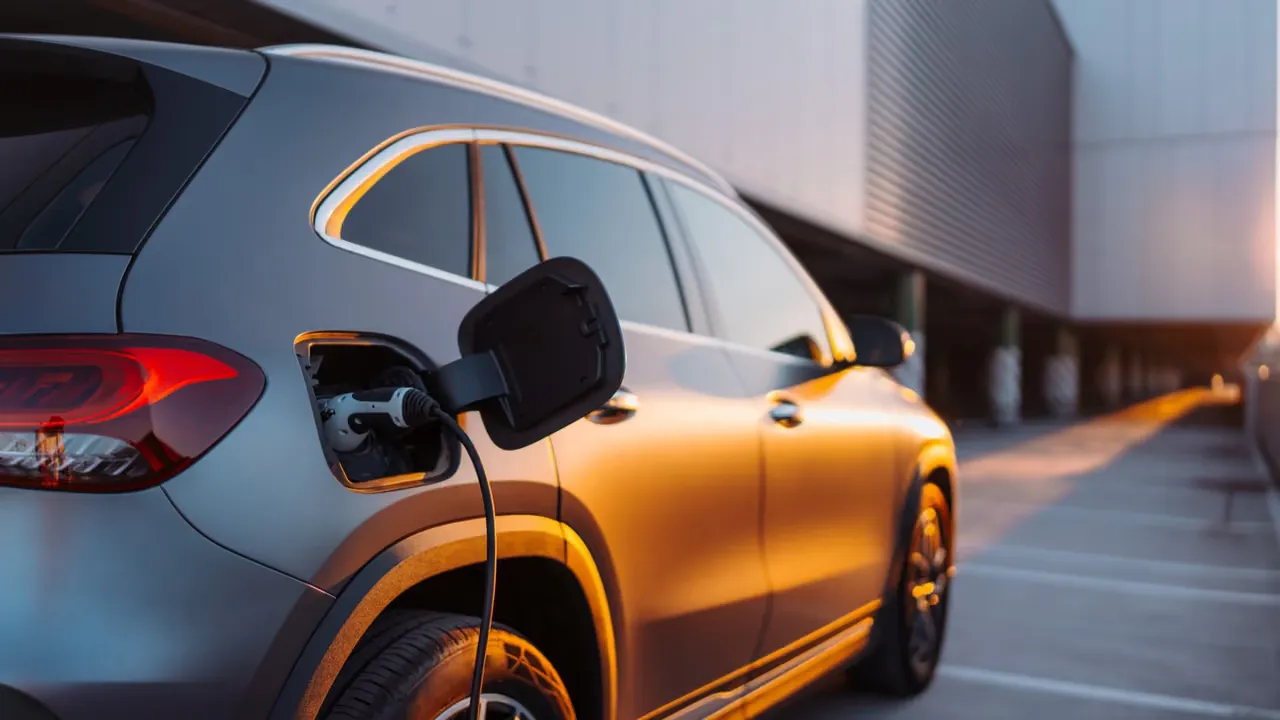
Pull into any suburban cul-de-sac these days and you might notice something unusual. It’s not just the new paint jobs or the landscaping that stands out—it’s the cars. More specifically, those quiet, sleek electric vehicles (EVs) parked with their noses pointed toward driveways, silently charging. What’s striking isn’t just the cars themselves, but what they’re quietly doing to the rhythm of neighborhood life.
EVs as Neighborhood Conversation Starters
Electric vehicles, once a niche curiosity, have taken root in many suburban neighborhoods, and they’re doing something interesting: sparking conversations. Where before neighbors might have exchanged a polite nod or a quick “hello,” now you’re more likely to hear questions about battery range, charging times, or the cost of ownership. An EV parked on the street has become a kind of social magnet.
It’s not unusual to see neighbors gathering around a charging car, swapping stories about their experiences with different models or sharing tips on the best local charging stations. This wasn’t common with traditional gas cars. The EV, in a way, has become a catalyst for interaction, a shared point of interest that breaks the ice and encourages connection.
Charging Habits Reshaping Daily Social Routines
Charging an electric car isn’t like filling up at the gas station. It takes time—often hours—and that changes the rhythm of a day. In neighborhoods where many households own EVs, charging routines have woven themselves into daily life, subtly influencing social habits.
For example, neighbors might coordinate charging schedules to avoid overloading circuits, leading to unexpected chats over fences or front porches. Some have turned these sessions into informal meetups, where sharing a cup of coffee becomes a way to pass the time while their cars juice up. What was once a solitary, utilitarian task has turned into a communal activity.
It’s also led to a new kind of neighborhood awareness. Folks check in on each other's charging status, offer help when someone’s struggling with a home charger, or share access to public stations nearby. These small acts of cooperation nurture a sense of camaraderie that wasn’t there before.
Community-Driven EV Initiatives Fostering Local Bonds
The social ripple effect doesn’t stop at casual conversations or charging routines. In some suburbs, residents have banded together to launch EV-focused initiatives that strengthen community ties.
- Shared Charging Stations: Groups pooling resources to install communal chargers, making EV ownership more accessible and fostering a sense of shared investment.
- EV Carpool Networks: Organizing rideshares in electric cars, cutting costs and emissions while boosting neighborly interaction.
- Educational Workshops: Hosting events where experienced EV owners teach newcomers about maintenance, energy savings, and sustainable driving habits.
- Local EV Clubs: Forming informal associations that meet for drives, troubleshoot issues, or advocate for better EV infrastructure with municipal authorities.
These grassroots efforts do more than promote electric vehicles; they cultivate a stronger, more connected neighborhood fabric. The EV becomes a symbol not just of environmental consciousness but of community-mindedness.
Challenges in Building EV-Friendly Neighborhoods
However, this transformation doesn’t come without friction. Not all neighborhoods are prepared for the shift. Some residents worry about increased electricity demand straining local grids or the visual impact of charging equipment. Others feel left out when they can’t afford an EV or the installation costs for home chargers.
Additionally, the patchwork of existing infrastructure means some streets are more EV-friendly than others, creating pockets of disparity within the same community. This unevenness can sometimes breed tension, as early adopters enjoy benefits that neighbors do not.
Opportunities on the Horizon
Still, these challenges open doors for innovative solutions and deeper community engagement. Municipalities and utility companies are beginning to work with neighborhoods to upgrade grid capacity and install public chargers in common areas. Programs aimed at subsidizing EV ownership and charging installation for lower-income families are also emerging.
What’s clear is that the rise of electric vehicles is more than a technological shift; it’s a social one. Suburban neighborhoods are quietly experimenting with new ways to connect, collaborate, and coexist, all around the simple act of charging a car.