Personalized Schedules Ease Grid Stress
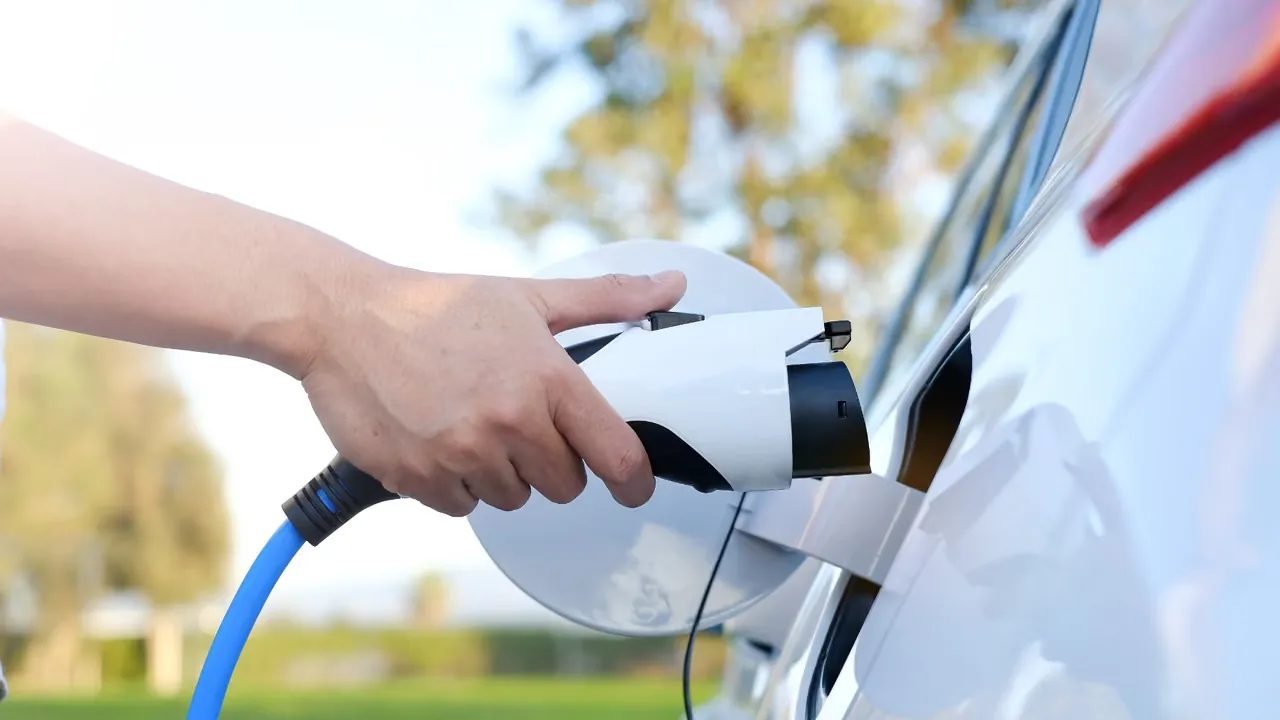
Have you ever wondered what happens when thousands of electric vehicles (EVs) plug in at the same time? As EV adoption accelerates, the challenge of managing energy demand during peak hours is becoming impossible to ignore. Without a strategy, uncoordinated charging can overload the power grid, leading to higher costs and instability. But what if each EV had its own personalized charging schedule that not only saved money but also helped keep the grid stable? This is not science fiction—it’s a growing reality thanks to smart charging technologies.
Understanding the Impact of Uncoordinated EV Charging on the Power Grid
Electric vehicles are undeniably cleaner than their gasoline counterparts, but their impact on the electricity grid is complex. When many EV owners plug in their cars simultaneously—typically in the evening after work—the sudden surge in electricity demand strains the grid. This can cause:
- Increased peak loads: Utilities must ramp up power generation, often relying on less efficient and more polluting peaker plants.
- Higher electricity prices: The cost of energy spikes during peak hours, and these costs can trickle down to consumers.
- Grid instability risks: Overloading transformers and distribution networks can lead to outages or reduced reliability.
Without coordination, this “rush hour” charging pattern can undermine the environmental and economic benefits of EVs.
How Personalized Charging Schedules Can Balance Energy Demand
Personalized EV charging schedules offer a simple but powerful solution. Instead of every EV charging as soon as it’s plugged in, charging can be staggered based on factors like:
- Time of day: Charging shifts to off-peak hours when demand is low and electricity is cheaper.
- Battery status and driving needs: Charging completes just in time for the next trip, avoiding unnecessary energy use.
- Grid conditions: Charging slows or pauses during peak demand periods to reduce strain.
By tailoring when and how fast each EV charges, utilities can flatten peak demand curves and make better use of renewable energy sources like wind and solar that fluctuate throughout the day.
Example of Personalized Scheduling in Practice
Imagine owning an EV and setting a preferred departure time in the morning. The charging system calculates the minimum charging time needed and schedules charging overnight during the cheapest electricity hours. If the grid experiences an unexpected spike in demand, the system can delay or slow your charging slightly without affecting your morning routine. This approach not only saves you money but also eases pressure on the grid.
Technologies Enabling Smart Scheduling for EV Owners
Several technologies are paving the way for personalized EV charging schedules:
- Smart chargers: These devices connect to the internet and communicate with utility providers or third-party platforms to adjust charging in real time.
- Mobile apps: EV owners can set preferences, monitor charging status, and receive notifications about optimal charging times.
- Vehicle software: Automakers are integrating intelligent charging features directly into EVs, allowing seamless interaction with home energy systems.
- Demand response programs: Utilities offer incentives to customers who allow their charging to be managed during peak periods.
These technologies work together to create a dynamic charging ecosystem that benefits both consumers and the grid.
Benefits of Optimized Charging for Consumers and Utility Providers
Personalized charging schedules bring tangible benefits on multiple fronts:
- Cost savings: Charging during off-peak hours takes advantage of lower electricity rates, reducing monthly bills.
- Extended battery life: Controlled charging speeds can minimize battery degradation over time.
- Environmental gains: Using electricity when renewable supply is high cuts carbon emissions further.
- Grid reliability: Smoother demand curves reduce the likelihood of blackouts and costly infrastructure upgrades.
- Incentives and rebates: Many utilities reward customers who participate in smart charging programs with discounts or credits.
For utility providers, managing EV charging load intelligently means avoiding expensive investments in new power plants and transmission lines. It also helps them integrate more renewable energy sources by balancing supply and demand more effectively.
As EVs quickly become a staple on our roads, the importance of smart, personalized charging schedules will only grow. They offer a practical way to make EV ownership cheaper, cleaner, and kinder to the grid—without sacrificing convenience.