Pairing EV Charging with Solar Power
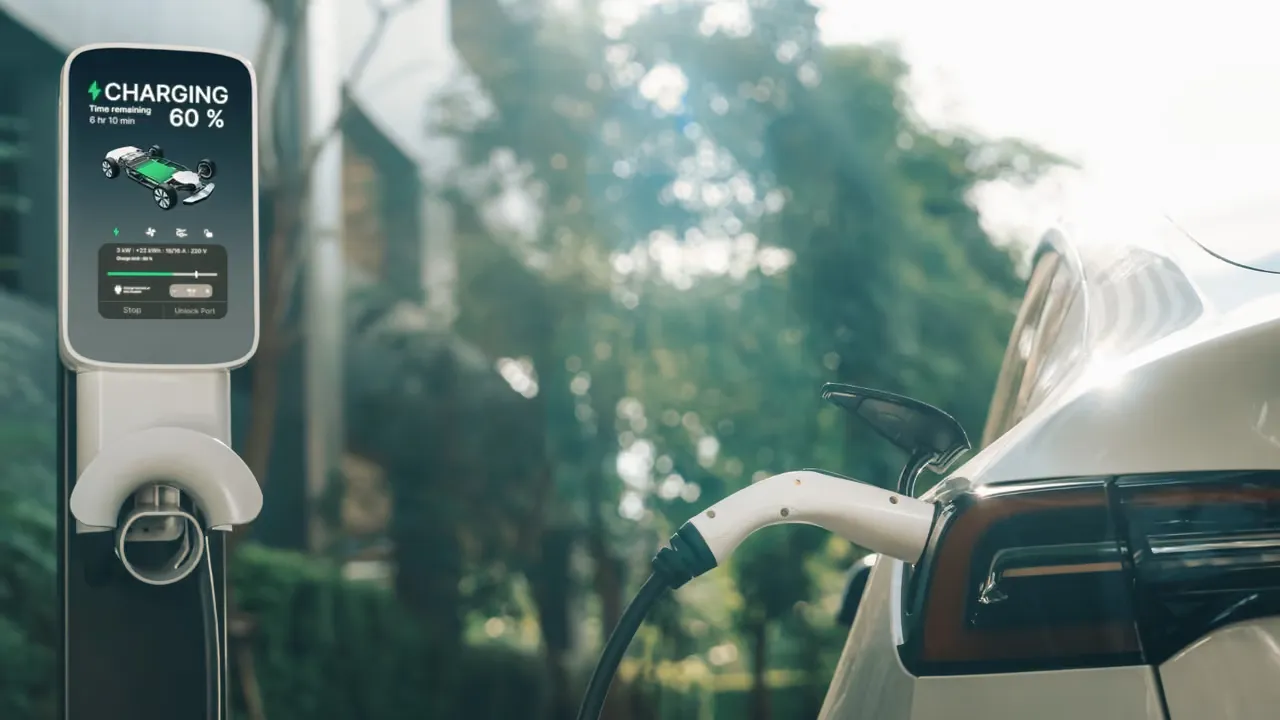
Electric vehicles promise a cleaner future, but if their charging relies on fossil-fueled electricity, that promise falls short. The real revolution happens when EV charging stations draw power directly from renewable sources, creating a truly sustainable ecosystem.
The Environmental Impact of Traditional EV Charging Methods
Most EV charging today depends on the existing power grid, which is still largely powered by coal, natural gas, and other non-renewable sources. While EVs themselves produce zero tailpipe emissions, their environmental advantage is compromised when the electricity they consume comes from carbon-intensive sources.
Charging an EV on a grid dominated by fossil fuels can result in a carbon footprint surprisingly close to that of efficient gasoline cars. This hidden cost undermines the green credentials of electric mobility and delays the transition to a genuinely low-carbon future.
Moreover, as EV adoption grows, the demand on the grid increases, potentially leading to greater emissions if renewable capacity doesn’t keep pace. This cycle highlights a crucial need: pairing EV charging with clean, renewable energy.
The Benefits of Pairing EV Chargers with Solar and Wind Energy
Integrating renewable energy sources like solar panels and wind turbines directly with EV charging stations offers multiple advantages.
- Lower Carbon Emissions
Charging with renewables drastically cuts the carbon footprint of EVs, aligning the entire life cycle of electric transport with sustainability goals. - Energy Independence
On-site renewable generation reduces reliance on the grid and fossil fuels, allowing charging stations to operate with greater autonomy and stability. - Cost Savings Over Time
Though initial investments can be high, solar and wind energy reduce operational costs by providing free fuel—sunlight and wind—especially when paired with energy storage. - Grid Relief
By producing and consuming electricity locally, renewable-powered stations ease stress on the grid during peak demand, improving overall energy resilience.
These benefits make a strong case for redesigning EV charging infrastructure not just as a convenience, but as a critical component of the renewable energy transition.
Technological Challenges in Integrating Renewables with Charging Stations
Despite the clear benefits, marrying renewables with EV charging isn’t plug-and-play.
- Intermittency of Renewables
Solar and wind energy are inherently variable. The sun doesn’t always shine, and the wind doesn’t always blow. Managing this intermittency requires sophisticated energy management systems to ensure consistent charging availability. - Energy Storage Needs
Batteries or other storage solutions are essential to store excess energy generated during peak conditions for use when renewable output drops. These storage systems add complexity and cost. - Grid Integration and Smart Charging
Charging stations must communicate with the grid and renewable sources to balance supply and demand. Smart charging technology helps optimize when and how EVs charge to maximize renewable use and minimize grid impact. - Infrastructure Costs and Space
Installing solar panels, wind turbines, and storage requires space and upfront capital. For urban locations, limited space can restrict the scale of renewable integration.
Overcoming these hurdles demands innovation and investment, but the payoff is a resilient, low-carbon charging ecosystem.
Case Studies of Successful Renewable-Powered EV Charging Hubs
Several pioneering projects worldwide demonstrate the viability of renewable-powered EV charging.
Helsinki’s Solar-Powered Charging Stations
In Finland, Helsinki has rolled out solar canopies over parking lots equipped with EV chargers. These canopies generate sufficient energy to power multiple vehicles daily. Advanced battery storage ensures that even on cloudy days, EV owners can find reliable, green electricity.
California’s Wind-Integrated Charging Network
California is leveraging its abundant wind resources by situating EV charging hubs near wind farms. These stations dynamically adjust charging rates based on wind availability, maximizing renewable consumption and reducing grid strain.
Amsterdam’s Smart Solar Charging Initiative
Amsterdam has combined solar panels with smart grid technology to create an intelligent charging network. EVs are charged preferentially when solar output peaks, and the system can even feed excess energy back to the grid, supporting the wider community’s renewable goals.
These examples illustrate that while challenges remain, integrating renewables with EV charging is not a distant dream but an unfolding reality. The next step is scaling these solutions and making them standard practice rather than exceptions.