New Tech Tackles Scooter Charging Woes
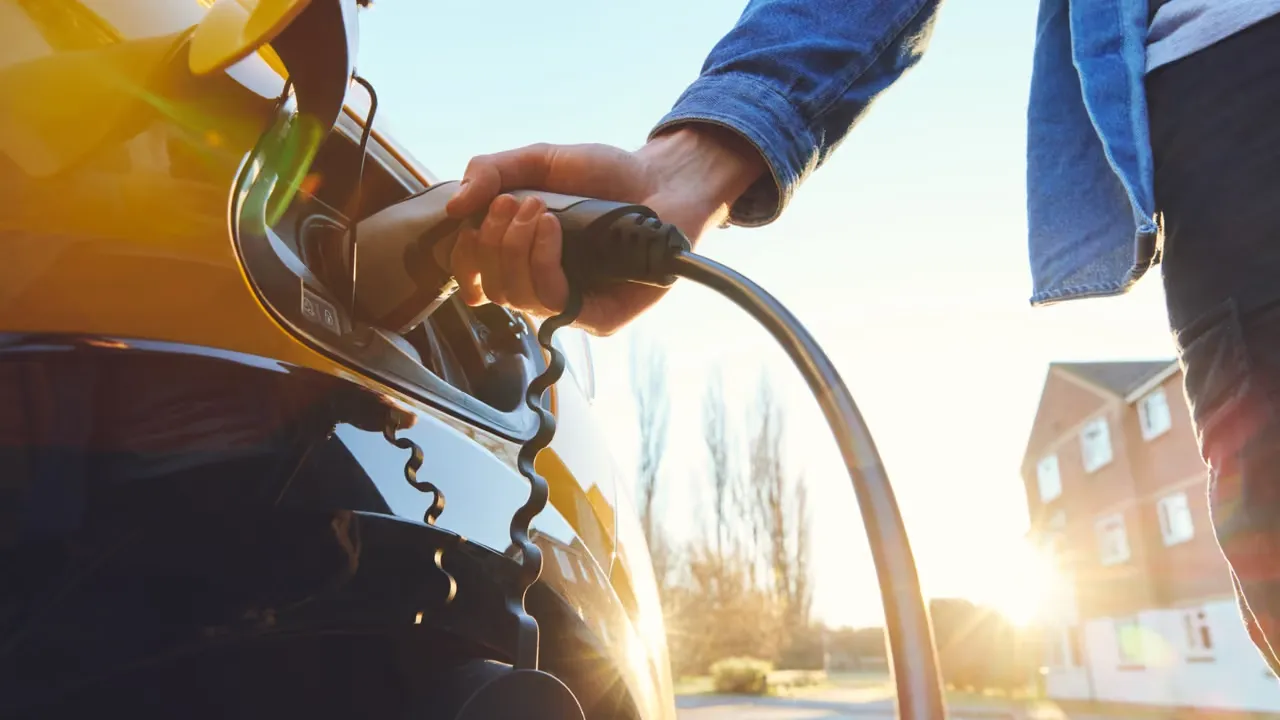
On city streets around the world, a quiet revolution is unfolding. Electric motorcycles and scooters, once niche alternatives, are becoming mainstream. Their rise is reshaping urban mobility and forcing a rethink of the existing electric vehicle (EV) charging infrastructure, which has traditionally catered to cars. These two-wheelers have unique charging needs that standard EV chargers struggle to meet, prompting new innovations and adaptations in charging networks.
The rise of electric two-wheelers and their distinct charging demands
Electric motorcycles and scooters are booming for many reasons: affordability, ease of parking, lower operational costs, and environmental benefits. In dense urban centers, they offer a nimble solution to traffic congestion and pollution. According to recent market data, electric two-wheelers now represent a significant portion of EV sales globally, especially in Asia and parts of Europe.
But unlike electric cars, which typically have large batteries and standardized charging ports, electric motorcycles and scooters vary widely in battery size, voltage, and connector type. Their batteries are smaller, often designed for quick top-ups rather than long full charges. Riders expect fast, convenient charging options that fit into short stops during their day.
Why standard EV chargers fall short for scooters and motorcycles
Most public EV charging stations are designed with cars in mind. They feature connectors like CCS or CHAdeMO, built to handle high power outputs and larger battery packs. These chargers are often installed at heights and locations optimized for cars, not two-wheelers.
For electric motorcycles and scooters, several challenges arise:
- Connector incompatibility: Many electric two-wheelers use proprietary or less common plugs that standard chargers don't support.
- Power mismatch: High-power chargers can be too powerful for small motorcycle batteries, risking damage or inefficiency.
- Ergonomic issues: Plugging a heavy charger cable into a low-slung scooter can be awkward or impractical.
- Safety concerns: Scooters are often parked on sidewalks or street corners where bulky charging units can obstruct pedestrians or cause hazards.
These issues mean that riders often resort to charging at home or work, limiting the usability of their vehicles for spontaneous or long-distance trips. The lack of convenient public charging options restricts the growth potential of electric two-wheelers.
Innovations in dedicated charging stations for electric motorcycles
Charging infrastructure providers and startups are stepping up to fill this gap with specialized solutions tailored to electric motorcycles and scooters. Here’s how the charging landscape is evolving:
Modular, compact chargers
New charging units are smaller and designed to fit the scale of two-wheelers. They feature ergonomic plug designs and flexible cables that accommodate low vehicle heights. Some models even integrate cable management to keep sidewalks clear and tidy.
Multi-standard compatibility
Recognizing the diversity of connectors, many new chargers support multiple plug types. This universal approach avoids fragmenting the market and makes charging more accessible regardless of manufacturer.
Smart charging and battery management
Advanced chargers now include intelligence to adjust power output based on battery size and state of charge. This protects the battery from overcharging and optimizes charging speed, extending battery life and improving user experience.
Battery swapping and mobile charging
Some companies are exploring alternatives to plug-in charging altogether. Battery swapping stations allow riders to exchange depleted batteries for fully charged ones in minutes, eliminating wait times. Mobile charging services deploy vans equipped with batteries and chargers to recharge scooters on the spot, offering flexibility for users without fixed charging access.
Integration with urban infrastructure
Charging points for electric two-wheelers are increasingly integrated into existing urban furniture such as lamp posts, parking meters, and public benches. This discreet placement reduces visual clutter and maximizes space in crowded city environments.
Broader impact on urban mobility and charging networks
Supporting electric motorcycles and scooters doesn’t just help riders; it has wider implications for cities and the future of transportation.
- Reduced congestion and emissions: More two-wheelers means fewer cars clogging city streets, easing traffic jams and lowering pollution.
- Efficient use of space: Two-wheelers require less parking space, and compact chargers fit into smaller footprints, making better use of limited urban real estate.
- Expanded charging network reach: Adding chargers for scooters broadens the overall EV network, encouraging more users to switch to electric vehicles.
- New business models: Battery swapping and mobile charging open fresh opportunities for service providers, creating jobs and stimulating innovation.
- Inclusive mobility: Affordable electric two-wheelers powered by accessible charging encourage mobility for lower-income riders and reduce transportation inequities.
As cities grow and the demand for sustainable transport rises, the evolution of EV charging infrastructure to embrace electric motorcycles and scooters is not just a niche development—it’s a critical piece of the urban mobility puzzle. The chargers of tomorrow will need to be as nimble and adaptable as the vehicles they serve.