Neighbors Connect Over Electric Vehicles
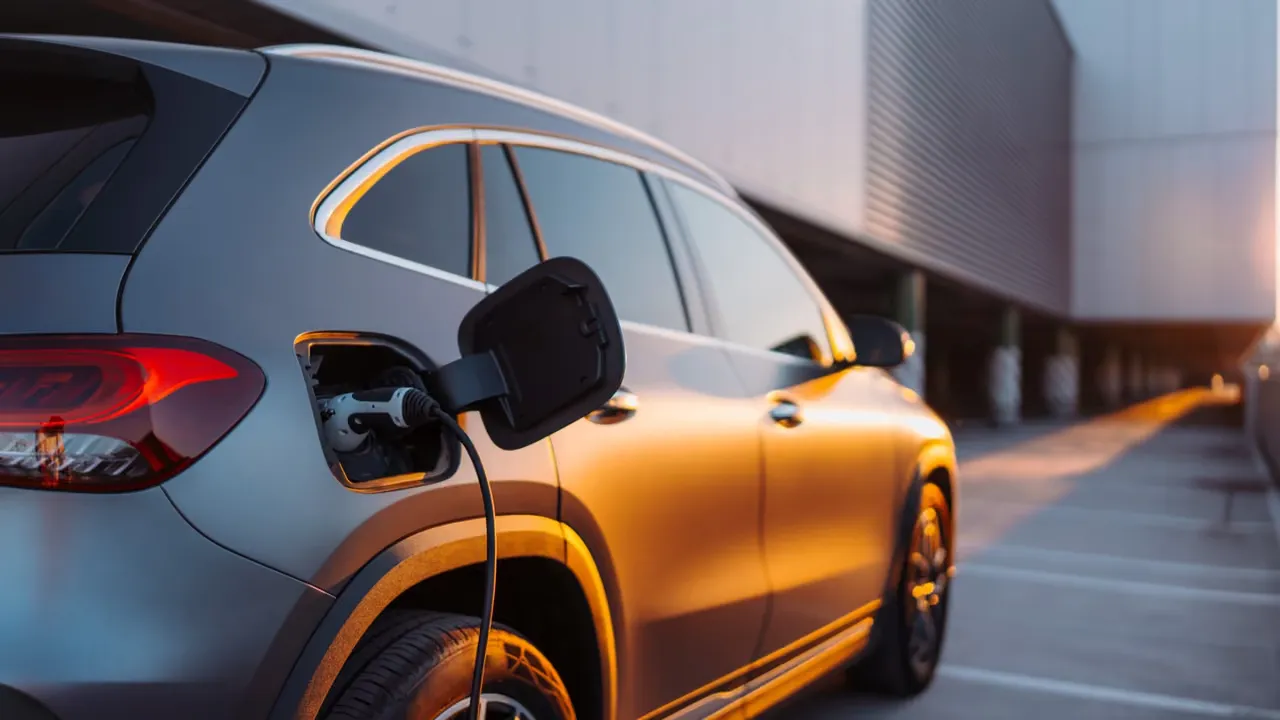
On a quiet street not far from the city center, a subtle change is humming to life. It’s not the roar of engines or the scent of exhaust that signals something new, but the soft click of chargers plugging in and the curious glances exchanged over garden fences. Electric vehicles, once a niche choice, are quietly transforming more than just the way we drive—they’re reshaping the rhythms of neighborhood life.
The EV Influence on Neighborhood Conversations and Connections
Ask any resident of a neighborhood slowly filling up with electric cars, and they’ll likely tell you that EVs have become a fresh topic at weekend barbecues, morning dog walks, and casual chats by the mailbox. What once might have been small talk about the weather or local sports has evolved into questions about battery range, charging tips, and the latest model releases.
It’s an unexpected social catalyst. Neighbors who barely exchanged a word before now find themselves discussing the quirks of regenerative braking or the pros and cons of different home charging setups. This shared interest creates a new layer of connection, often bridging gaps between age groups and lifestyles. Older residents fascinated by the technology might swap stories with younger neighbors eager to share their EV experiences.
In this sense, the electric car is more than just a vehicle; it’s a conversation starter, an icebreaker, and a spark for community curiosity. It brings a kind of collective learning spirit to the street, where knowledge is passed along and experiences compared. It’s hard to imagine a gas-powered car doing the same these days.
Charging Stations as New Social Hubs in Residential Areas
Charging stations, especially the newer, faster models, are quietly becoming the new community gathering spots. Unlike the solitary act of refueling a traditional car, charging an EV often takes longer, encouraging owners to linger. This waiting time turns chargers into informal meeting points, where neighbors can share a cup of coffee, discuss the latest EV news, or simply catch up.
In some neighborhoods, the installation of public or semi-public charging points has been met with excitement rather than resistance. These stations become more than just infrastructure; they’re the modern equivalent of the old neighborhood bench or the corner store, places where people naturally gather.
Interestingly, this shift is also encouraging new patterns of social interaction. People who might not have crossed paths otherwise find themselves chatting about charging etiquette or comparing app features that find the best charging spots. The subtle hum of electricity flowing into batteries is now the soundtrack to fresh conversations and unexpected friendships.
Neighborhood Initiatives Driving EV Acceptance and Support
What’s perhaps most surprising is how communities themselves are becoming active participants in the EV revolution. Homeowners’ associations, local councils, and grassroots groups are launching initiatives aimed at making EV ownership easier and more appealing. These initiatives range from bulk-buy programs for home chargers to educational workshops on EV benefits and maintenance.
Some neighborhoods have even created “EV ambassadors”—residents who volunteer to guide others through the process of switching to electric. These ambassadors share firsthand knowledge, help troubleshoot doubts, and organize group purchases of charging equipment to reduce costs. This kind of peer-supported adoption is creating a ripple effect, gradually turning skepticism into enthusiasm.
Moreover, these efforts often spill over into broader environmental conversations, strengthening community bonds around shared values. It’s not just about cars; it’s about a collective step toward cleaner air, quieter streets, and a more sustainable future. The EV becomes a symbol of neighborhood identity, a badge of pride signaling a commitment to change.
What’s unfolding is a quiet transformation, one that doesn’t just replace engines but recharges social life at the neighborhood level. The electric vehicle, in all its silent efficiency, is quietly rewiring the way communities connect, converse, and collaborate. It’s a reminder that sometimes, the most profound changes come not with a roar, but with a whisper of electricity and a new conversation waiting to unfold.