Managing Family Morning Routines with EVs
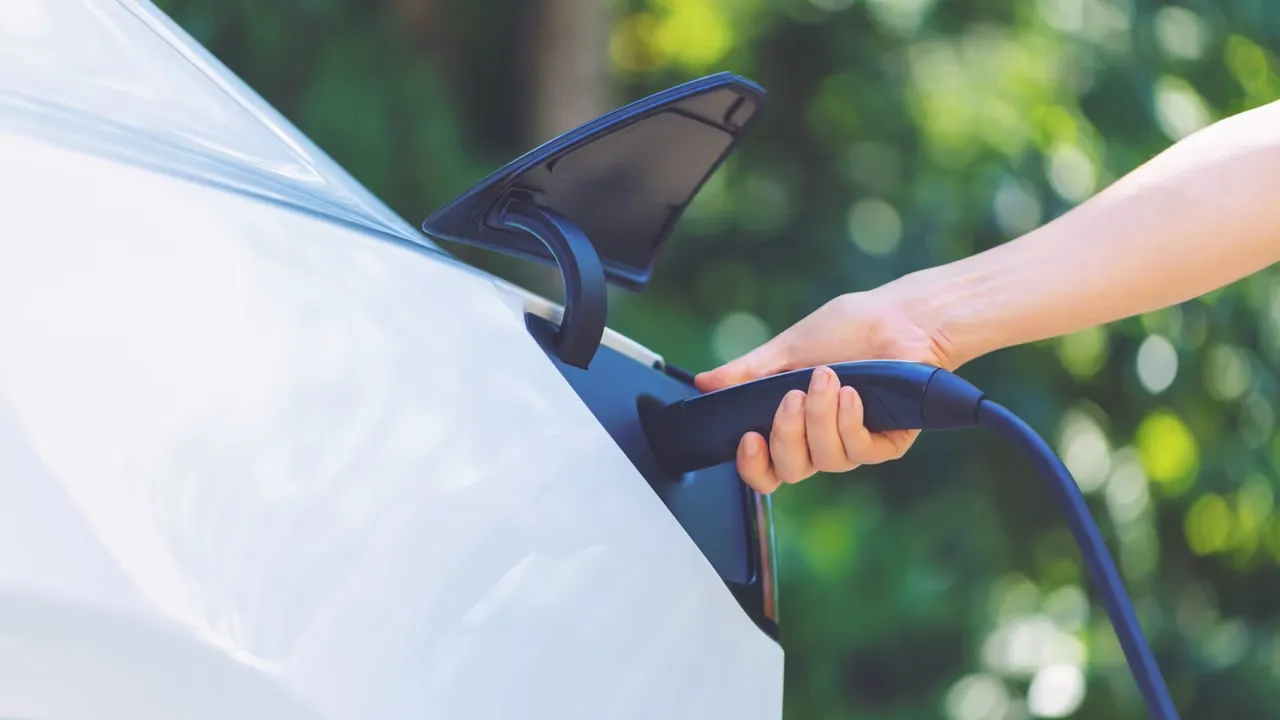
It’s 7:15 a.m. A family of four is bustling around the kitchen, backpacks and lunches in hand. Amid the usual chaos, the father pauses to check the electric vehicle’s charge level on his phone while the mother plugs in the car as she grabs her coffee. This isn’t just another morning—it’s a carefully choreographed routine tailored to the realities of living with an EV in a busy household.
Morning Routines Incorporating EV Checks and Charging into Busy Schedules
For many EV owners juggling family life, mornings demand more than just packing lunches and ensuring everyone has shoes on. The electric vehicle adds a layer of practical consideration that shifts the usual rhythm.
Checking the battery percentage isn’t a casual glance anymore; it’s a necessary step. Many owners integrate this into their morning checklist, using smartphone apps to monitor charging progress and adjust plans if needed. If the car isn’t fully charged overnight, a quick top-up before leaving becomes a priority.
Plugging in the EV has become as routine as brewing coffee. For families with a garage or dedicated parking spot, this is straightforward. But in urban settings, where public chargers might be the only option, morning charging could involve a detour or a stop at a workplace charger. This requires planning ahead and sometimes shifting departure times.
Managing EV Usage with Multiple Drivers in a Household
When a family shares one EV, coordination becomes essential. Unlike traditional cars where fuel stations are quick stops, EVs demand a bit more foresight. Who needs the car next? How far will they drive? Is there enough charge for all planned trips?
Many families adopt a shared calendar or group chat to coordinate usage. Some use apps that track who charged the car last or what the current range is, ensuring the next driver isn’t caught off guard. This kind of communication becomes part of the household’s fabric.
Parents often take on the role of charge managers, especially when kids are teenagers with driving privileges. Setting clear expectations about car availability and charging responsibilities helps avoid conflicts and unexpected low-battery situations.
Tips for Multiple Driver Households
- Create a shared schedule: Use digital calendars to block out car usage times.
- Set charging rules: For example, always plug in after use or charge to a minimum level.
- Use EV apps: Track battery status and set notifications for low charge.
- Plan trips together: Combine errands when possible to maximize range efficiency.
Weekend Planning Adjusting Errands and Leisure with EV Range in Mind
Weekends often bring longer drives—park visits, family outings, or visiting relatives. EV owners learn to factor the vehicle’s range into their plans. This doesn’t mean cutting back on activities but rather adjusting the order and timing.
For example, a family might plan errands so that the longest trip happens first with a full charge, followed by shorter drives that can be topped up at home. Some owners scout out charging stations near leisure spots, especially for day trips beyond 100 miles.
Charging during leisure activities becomes a natural pause. While the kids play or parents grab a coffee, the car quietly fills its battery. This integration transforms charging from a chore into a convenient break.
Weekend Planning Strategies
- Map your route: Identify charging options along the way.
- Charge proactively: Start with a full battery to avoid mid-trip worries.
- Combine errands: Group stops to minimize driving distances.
- Embrace downtime: Use charging breaks for family relaxation.
Long-term Adjustments Home Setup and Lifestyle Changes for EV Ownership
Owning an EV isn’t just about the car; it often sparks broader lifestyle changes. Many families invest in home charging stations, which can mean electrical upgrades and new habits around energy use.
Installing a Level 2 charger at home is a popular move. It reduces charging time dramatically compared to a standard outlet, fitting better into busy schedules. With a dedicated charger, plugging in becomes effortless—no more hunting for adapters or worrying about slow charges.
Some households also explore solar panels or smart home energy systems to offset electricity costs and make EV ownership more sustainable. This reflects a mindset shift: the EV becomes part of an eco-friendly lifestyle, not just a mode of transport.
Beyond the physical setup, families adjust routines. Evening chores might include plugging in the car, checking the app for charge status, and planning the next day’s trips with range in mind. Kids grow up with an awareness of energy use and environmental impact built into daily life.
Key Long-term Adjustments
- Home charging installation: Invest in a Level 2 charger for convenience.
- Energy management: Consider solar panels or smart chargers.
- Routine shifts: Make EV checks part of daily habits.
- Family education: Involve all members in understanding EV needs.