Making EV Travel Work in the Backcountry
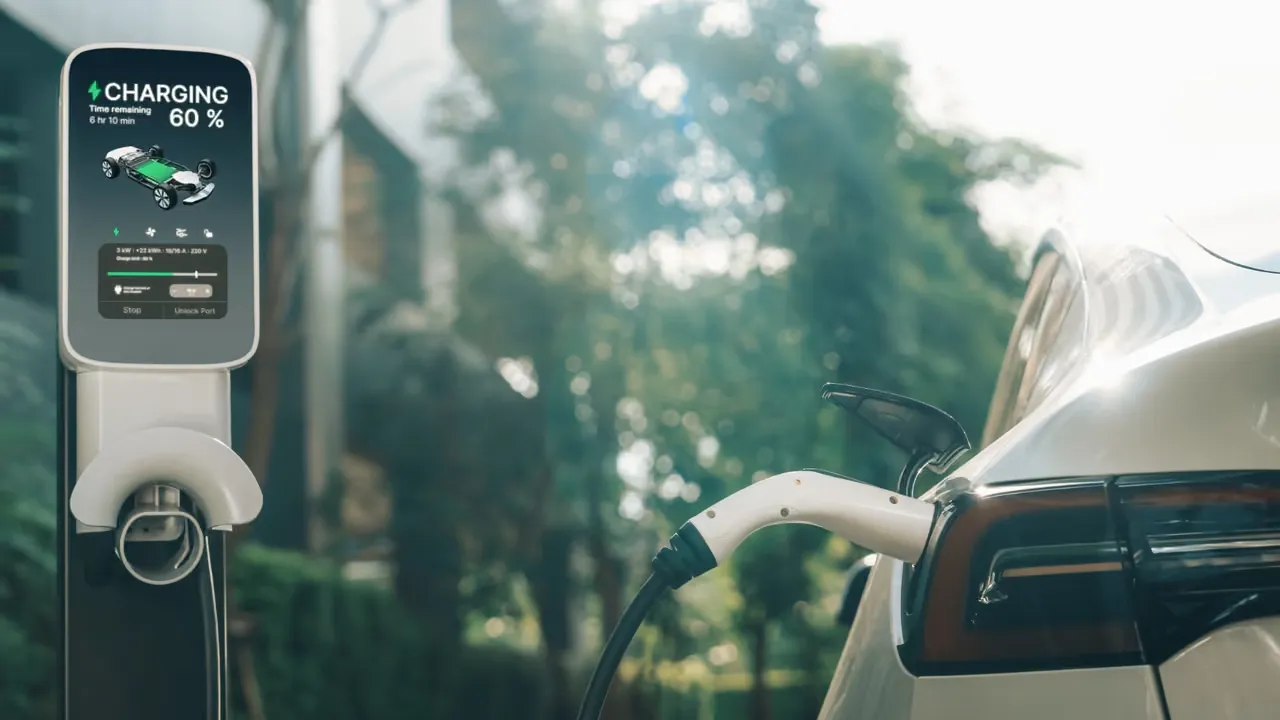
How can electric vehicle charging infrastructure be designed to support long-distance travel in remote and underserved areas, where urban models simply don’t fit?
Challenges of EV Charging in Rural and Remote Areas
When most people think about EV charging, images of sleek, fast chargers popping up in city parking lots or suburban shopping centers come to mind. But what about the backroads, the small towns, and the stretches of highway where gas stations are few and far between? Here, the challenges multiply.
- Sparse Population Density – Low population means less immediate demand, making investments less attractive to private companies.
- Limited Grid Infrastructure – Many rural areas have weaker electrical grids that can struggle to support high-capacity chargers.
- Distance Between Charging Points – Long distances increase range anxiety, which is already a barrier for EV adoption.
- Maintenance and Accessibility – Remote chargers require consistent upkeep, which can be logistically difficult and costly.
Without addressing these issues, EVs remain a purely urban or suburban solution, leaving rural drivers dependent on fossil fuels and stuck with limited options for long-distance travel.
Innovative Solutions for Extending Charging Networks Beyond Cities
Adapting EV charging for remote areas demands creativity. Some of the most promising approaches include:
- Solar-Powered Charging Stations – Off-grid solar chargers paired with battery storage reduce dependence on local grids. These can be installed in areas with good sunlight, offering reliable, sustainable charging without costly grid upgrades.
- Modular and Mobile Chargers – Portable charging units can be deployed to meet seasonal or event-based demand, or to pilot areas before permanent installations.
- Ultra-Slow Chargers and Overnight Solutions – While fast charging grabs headlines, slower chargers at hotels, motels, and campgrounds offer practical overnight options that match rural travel patterns.
- Multi-Use Infrastructure – Combining EV charging with existing rural assets like public parks, community centers, or agricultural hubs maximizes utility and spreads costs.
- Vehicle-to-Grid (V2G) Technology – Some EVs can feed energy back into the grid, turning rural EV owners into active participants in stabilizing local power networks.
Technology Meets Local Needs
Technology must meet cultural and economic realities. For example, a solar-powered station in a remote tourist town can serve visitors and locals alike while showcasing sustainability. Meanwhile, a modular charger near a freight route can support commercial EV trucks making long hauls.
The Role of Policy and Community Engagement in Rural EV Adoption
Technology alone won’t solve the rural EV charging gap. Public policy and community buy-in are essential.
- Incentives for Rural Installations – Grants, subsidies, and tax breaks targeted at rural charging infrastructure encourage private players to invest despite lower profit margins.
- Planning and Coordination – State and local governments can map out corridors for EV charging that prioritize underserved areas, ensuring chargers are spaced appropriately for long-distance travel.
- Community Ownership Models – Cooperatives or community-led charging projects empower locals, keeping profits and control within the community while ensuring maintenance and responsiveness.
- Education and Outreach – Addressing range anxiety and unfamiliarity with EVs requires tailored information campaigns highlighting how rural residents can benefit.
Collaborations between utilities, local governments, and residents transform EV charging from an urban luxury into a rural necessity.
Case Studies of Successful Remote EV Charging Implementations
1. The Oregon Electric Highway
The Oregon Electric Highway is a network of charging stations stretching across the state’s highways, including rural stretches. It combines public investment and private partnerships to install fast chargers every 25-50 miles, taking into account the state’s geography and rural communities. Solar-powered stations and grid upgrades have been part of the strategy, making it easier for EV owners to travel between cities and remote destinations.
2. Scotland’s Rural EV Network
In Scotland, a government-backed initiative focused on island and Highlands communities has helped install chargers powered partly by renewable energy. The program includes community engagement to ensure chargers meet local needs and operates a mobile charging unit to support events and peak tourist seasons. This approach reduced range anxiety and increased EV adoption beyond urban centers.
3. Australia’s Outback EV Charging Pilot
Australia’s vast Outback presents one of the toughest environments for EV charging. A pilot project combined solar-powered chargers with large battery banks at remote roadhouses, supported by government funding. The project included education campaigns aimed at local residents and travelers, promoting EV use on long routes that were once prohibitive.
4. Vermont’s Community-Owned Chargers
In Vermont, several towns have taken ownership of EV charging stations, installing slower chargers at community centers and local businesses. These chargers serve residents who charge overnight and visitors passing through. The cooperative model ensures local maintenance and adapts to user feedback, creating a sustainable rural charging ecosystem.