Is Fast Charging Really Bad for Your EV?
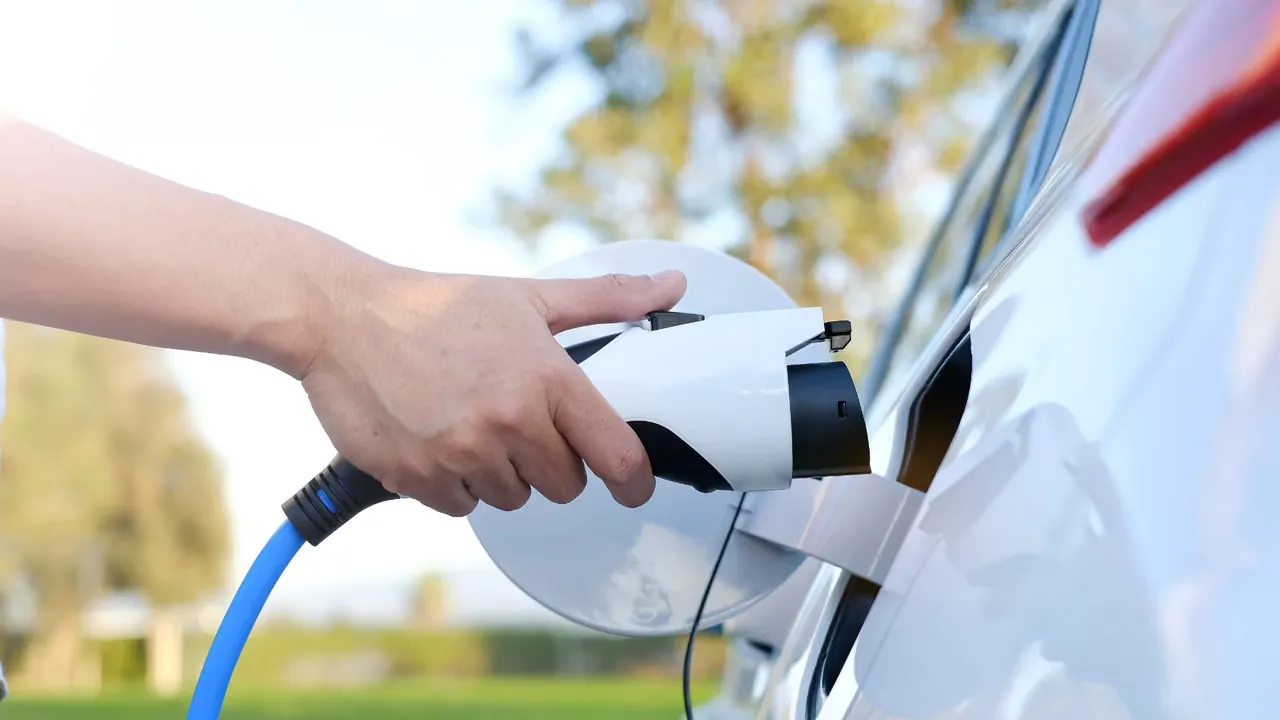
Battery life is the single most crucial factor that determines the long-term ownership experience of an electric vehicle (EV). Beyond the common argument of fast versus slow charging, there are smarter ways to charge your EV that can significantly extend the life of its battery. Understanding how batteries degrade and adapting your charging routine accordingly can save you money and frustration down the line.
Understanding Battery Chemistry and Degradation
Most EVs use lithium-ion batteries, which degrade over time and with use. This degradation isn’t just about how many miles you drive; it’s also about how you treat the battery when charging. Batteries naturally lose capacity as chemical reactions inside the cells slowly break down their components. Heat, charge levels, and charging speed all accelerate or slow this process.
One key point is the state of charge (SoC). Lithium-ion batteries prefer to live in the middle range of their charge capacity rather than at the extremes. Keeping the battery charged between about 20% and 80% can dramatically reduce stress on the cells. Regularly charging to 100% or letting the battery drain completely tends to increase wear.
Temperature also plays a major role. High heat accelerates degradation, especially if the battery is fully charged when hot. Similarly, very cold temperatures can temporarily reduce range and increase charging time, but the long-term damage is more about the extremes and extremes combined with poor charging habits.
Charging Habits That Extend Battery Longevity
Beyond just choosing between fast and slow charging, consider these habits:
- Avoid keeping your battery at 100% charge unnecessarily: If your daily driving doesn’t require a full charge, set your charger to cap at 80%. Many EVs have built-in settings to limit charging to this range, which helps preserve battery health.
- Don’t let the battery sit at very low charge for long periods: If you’re not driving for a few days, it’s better to keep the battery at a moderate level rather than near empty.
- Use scheduled charging during off-peak hours: Besides saving money on electricity, scheduled charging lets you time when the battery reaches full charge, avoiding long periods sitting at 100%.
- Precondition your battery before charging: Some EVs allow you to warm or cool the battery before charging, which reduces stress on the cells and can make charging more efficient.
- Prefer regular charging sessions over infrequent deep charges: Frequent top-ups within the safe charge window are better than letting the battery deeply discharge and then charging to full in one go.
Myths About Fast Charging Debunked
Fast charging often gets a bad rap, but the reality is more nuanced. It’s true that high-power charging generates more heat and can cause faster degradation if used excessively or improperly. However, occasional use of fast chargers doesn’t doom your battery.
Here’s what you need to know:
- Fast charging is designed with battery management systems in mind: Modern EVs actively manage temperature and charging rates to minimize damage during rapid charging.
- Most degradation happens at the battery’s extremes, not solely because of charging speed: Charging to 100% or letting the battery run very low is more harmful than the speed of the charge itself.
- Using fast chargers during long trips is fine: It’s better to use them occasionally rather than avoid them out of fear.
- Slow charging overnight is ideal for everyday use: It keeps the battery cooler and within the optimal SoC range, extending battery life.
In short, fast charging isn’t the enemy, but it shouldn’t be your default daily charging method if you want to preserve your battery long-term.
Practical Tips for Everyday EV Charging
Here are straightforward strategies you can incorporate immediately to optimize your EV’s battery health:
- Use your home charger’s scheduling features: Set your car to start charging a few hours before you leave to avoid sitting at 100% for long.
- Keep your battery between 20% and 80% for daily driving: Only go beyond this when you have a longer trip planned.
- Limit fast charger use to road trips or emergencies: For daily charging, favor Level 2 chargers or slower.
- Park in shaded or cool areas: Avoid leaving your EV exposed to direct sunlight or heat when charging or parked.
- Monitor your battery’s health via your vehicle’s app: Many EVs provide detailed battery info that can guide your charging habits.
- Don’t keep your EV plugged in at 100% for extended periods: Unplug it soon after it reaches your set charge limit.
Ultimately, treating your EV battery thoughtfully, like you would any other valuable component, pays off. It’s not just about how fast you charge but about when, how often, and to what level you charge that shapes your battery’s lifespan.