Inside the Smart Connected Electric Car
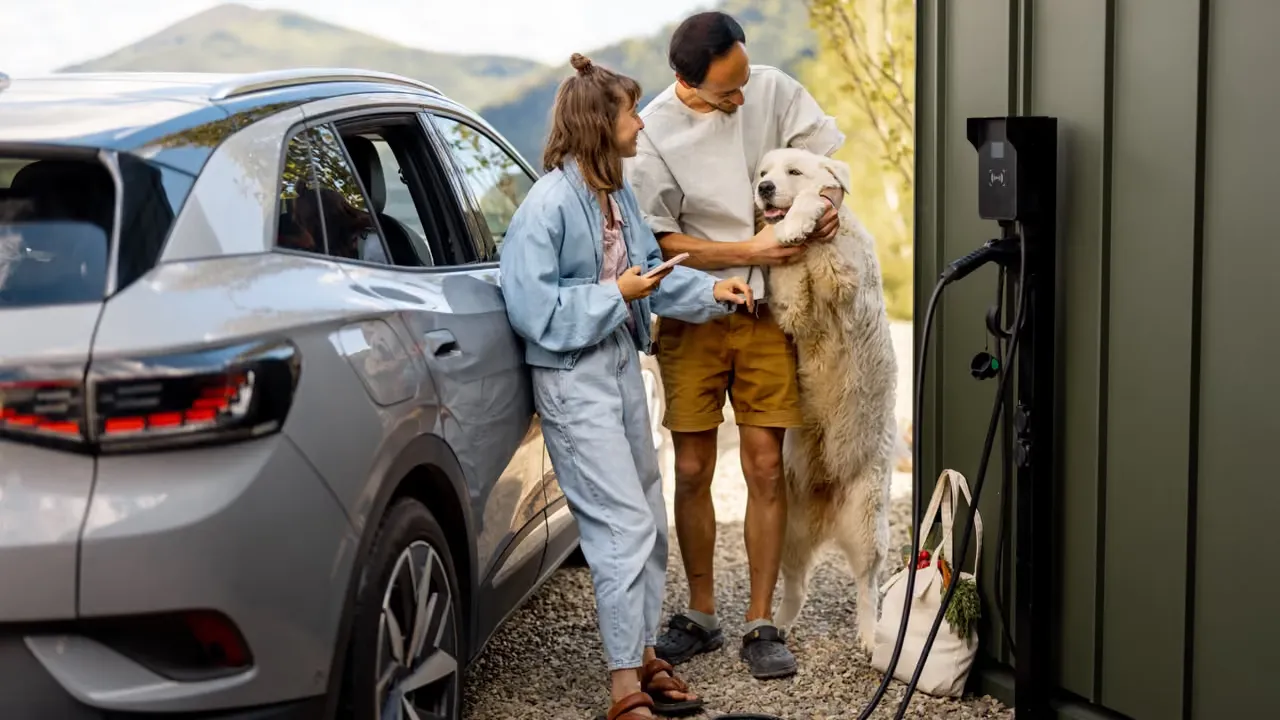
Walk into any car dealership today, and you’ll notice electric vehicles (EVs) are no longer just about the battery pack under the chassis. The conversation has shifted. It’s about the software that powers the drive, the seamless user interfaces that connect drivers to their cars, and the constant stream of updates that keep these vehicles evolving long after they leave the showroom. The rise of EVs is pushing manufacturers to innovate far beyond the battery, transforming cars into smart, connected devices on wheels.
Beyond Batteries The Shift to Software-Centric EVs
For years, the EV market has been dominated by discussions on battery capacity, range anxiety, and charging infrastructure. While these remain critical factors, the focus is rapidly expanding. Car manufacturers now realize that the true competitive edge lies in the software ecosystem embedded within the vehicle. This shift parallels what happened in the smartphone industry, where hardware became less of a differentiator compared to the user experience crafted through software.
Unlike traditional internal combustion engine vehicles, EVs come with fewer mechanical parts and a fundamentally different architecture. This opens the door for software to play a larger role in controlling everything from energy management and regenerative braking to driver assistance and infotainment systems. The car is no longer just a machine; it’s a platform.
Enhancing User Experience Through Integrated Technology
EV manufacturers are investing heavily in developing integrated technology that elevates the user experience. This means intuitive touchscreen interfaces, voice-activated controls, real-time navigation optimized for battery usage, and personalized settings that adapt to the driver’s preferences. The software isn’t just a feature; it’s the interface between humans and machines, shaping how we interact with our vehicles on a daily basis.
Consider Tesla’s approach, where the central touchscreen controls nearly every aspect of the car. Other automakers are catching on, designing interfaces that minimize distraction and maximize convenience. This includes smart climate controls that learn your habits, apps that integrate vehicle status with your smartphone, and digital assistants that provide proactive alerts about maintenance or charging needs.
The Role of Over-the-Air Updates in EV Evolution
One of the most transformative innovations in EVs is the ability to update software remotely through over-the-air (OTA) updates. This capability allows manufacturers to fix bugs, improve performance, add new features, and even enhance safety without requiring a visit to the service center.
OTA updates extend the lifespan of vehicles and keep them relevant in a rapidly changing technological landscape. For owners, this means their car can improve over time—gaining new functionalities that were not available on the day of purchase. From optimizing battery charging algorithms to upgrading autopilot systems, software updates redefine what it means to own a car.
Challenges and Opportunities in Software-Driven EV Design
But this software-driven approach isn’t without challenges. Developing robust, secure, and user-friendly software requires a different skill set and organizational mindset than traditional car manufacturing. Automakers must invest in cybersecurity to protect vehicles from hacking and ensure data privacy. They also face the complexity of integrating hardware and software from multiple suppliers while maintaining a seamless user experience.
Moreover, the reliance on software introduces new failure points. A glitch in the code could affect safety-critical systems, making rigorous testing and validation paramount. Regulatory frameworks are still catching up to these new realities, and manufacturers must navigate evolving compliance requirements worldwide.
Yet these challenges bring tremendous opportunities. Software allows for continuous innovation and customization, enabling manufacturers to differentiate their products in ways that hardware alone cannot achieve. It opens doors for partnerships with tech companies, new business models like subscription services for software features, and deeper customer engagement through digital platforms.
In essence, the rise of electric vehicles is accelerating the transformation of cars into smart, connected machines. As battery technology improves incrementally, software innovation is becoming the battleground where automakers compete for loyalty and market share. This shift is redefining what a car is and what it can become in the digital age.