How Emergency EV Chargers Save Critical Time
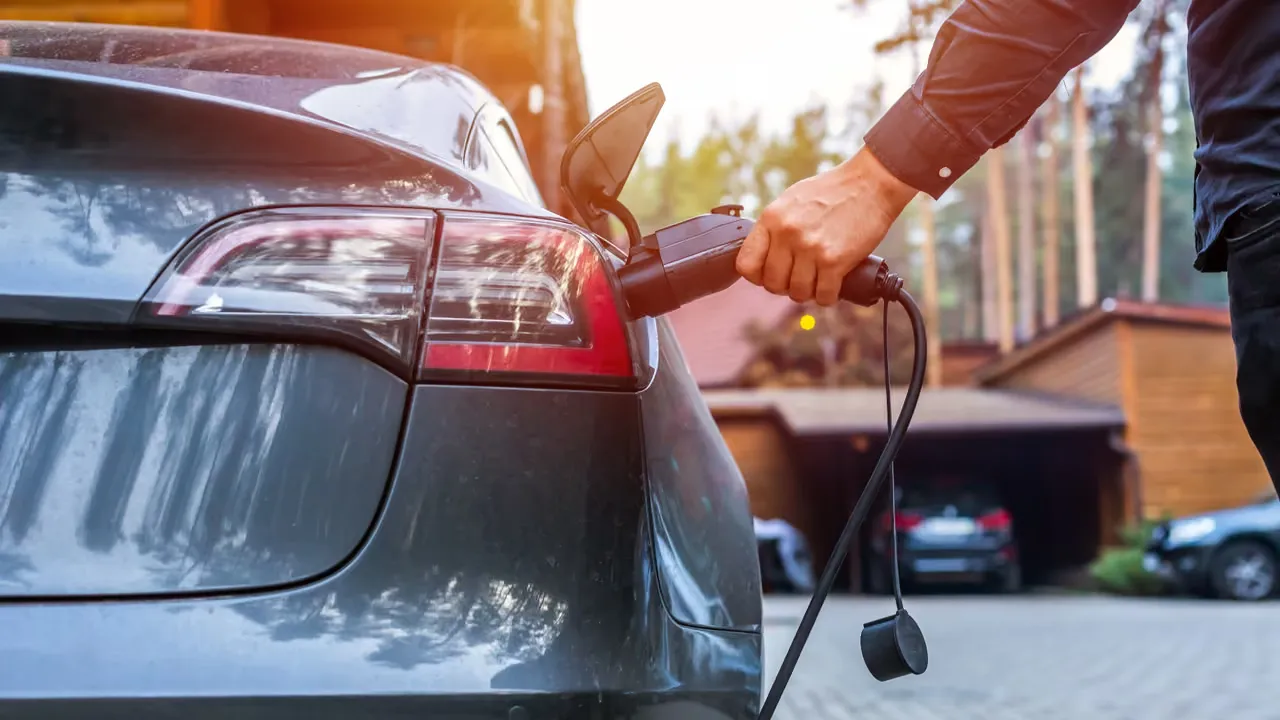
How can electric vehicle charging infrastructure be optimized to ensure emergency response vehicles stay powered and ready when disaster strikes?
Understanding the Unique Power Needs of Emergency EVs
Emergency response vehicles don’t just need to be fast and reliable; they also demand a power source that can keep up with unpredictable, high-stress usage. Unlike personal EVs, which usually follow predictable daily routines and can recharge overnight, emergency EVs must be ready to roll at a moment’s notice. They often run long shifts during crises, with little downtime.
These vehicles use power at a higher rate because of constant use of lights, sirens, communication devices, and onboard equipment. Their batteries need frequent and fast recharging to avoid downtime. During disasters, power grids might be unstable or fail completely. Charging stations must be tough enough to keep working, possibly with backup power sources like solar panels or battery storage.
Key power requirements for emergency EVs include
- High-speed charging capabilities to minimize recharge times and keep vehicles ready.
- Robust battery management systems that handle rapid charging without hurting battery life, so vehicles stay dependable.
- Uninterruptible power supply with backup options to keep chargers running when the grid goes down.
For example, some emergency EVs use 800-volt battery systems that allow ultra-fast charging, cutting recharge times to under 20 minutes. This technology is crucial when every minute counts. Battery management systems monitor temperature and charge rates closely to prevent overheating or damage during these quick charges.
Strategic Placement of Emergency EV Chargers in Urban and Rural Areas
Where emergency EV chargers are placed matters as much as how fast they charge. Urban and rural areas have different needs, but the goal is the same: make sure response vehicles can recharge quickly and reliably wherever they are needed.
Urban Areas
In cities, emergency vehicles face dense populations and often heavy traffic. Chargers should be installed at fire stations, hospitals, police precincts, and other key spots. These locations let vehicles top off their batteries between calls without losing precious response time.
Urban chargers must handle multiple vehicles at once, given the high number of emergency units. Fast chargers with several ports and reserved access for emergency vehicles help prevent delays caused by waiting for an open charger. Some cities are experimenting with smart charging hubs that prioritize emergency vehicles automatically, freeing them up faster.
Additionally, urban chargers should be placed near major traffic routes and emergency dispatch centers. This reduces detours and keeps vehicles on the fastest path to emergencies. Integrating chargers into existing infrastructure like parking garages or transit hubs can also save space and improve accessibility.
Rural Areas
Rural areas bring different challenges. Longer distances and fewer charging points can leave emergency vehicles at risk of running low on power during critical missions. Placing chargers at community centers, volunteer fire stations, and regional hospitals helps close this gap.
Because rural power grids are often less reliable, emergency charging stations here should use off-grid solutions like solar panels paired with battery storage. This setup keeps chargers running even when the main grid is down due to storms or other disasters. Some rural stations also use portable generators as backup power to ensure continuous operation.
In addition, rural chargers need to be rugged and weather-resistant. Harsh conditions like snow, rain, or dust can damage equipment if it’s not built to last. Regular maintenance and remote monitoring help keep these stations ready for action.
Integrating Emergency Charging into Disaster Preparedness Plans
Building chargers is only part of the solution. To make emergency EVs truly effective during disasters, their charging needs must be part of wider disaster preparedness plans.
Emergency planners and local governments should work closely with utility companies, first responder agencies, and EV infrastructure providers. Together, they can develop protocols that prioritize emergency charging during crises. This includes:
- Designating emergency chargers as critical infrastructure so they get priority power restoration after outages.
- Creating backup power contingencies such as mobile generators or microgrids that support charging stations when the main grid fails.
- Training personnel to manage and maintain EV charging equipment under disaster conditions.
- Implementing real-time monitoring systems to track charger availability and vehicle battery levels, optimizing dispatch and charging schedules.
Regular drills and simulations involving electric emergency vehicles can reveal weak spots in charging logistics and infrastructure resilience. These exercises help teams prepare for real disasters, ensuring EVs don’t get stranded but stay a powerful tool in rapid, effective emergency response.
Some cities have started integrating EV charging data into their emergency dispatch systems. This allows dispatchers to send vehicles with enough charge to reach the scene and return safely, reducing the risk of a vehicle running out of power mid-mission.
Finally, funding and policy support are crucial. Grants and incentives can help emergency services upgrade their fleets and charging infrastructure. Clear regulations that recognize the unique needs of emergency EVs will speed up adoption and improve readiness.