Home EV Charging Changes Urban Power Use
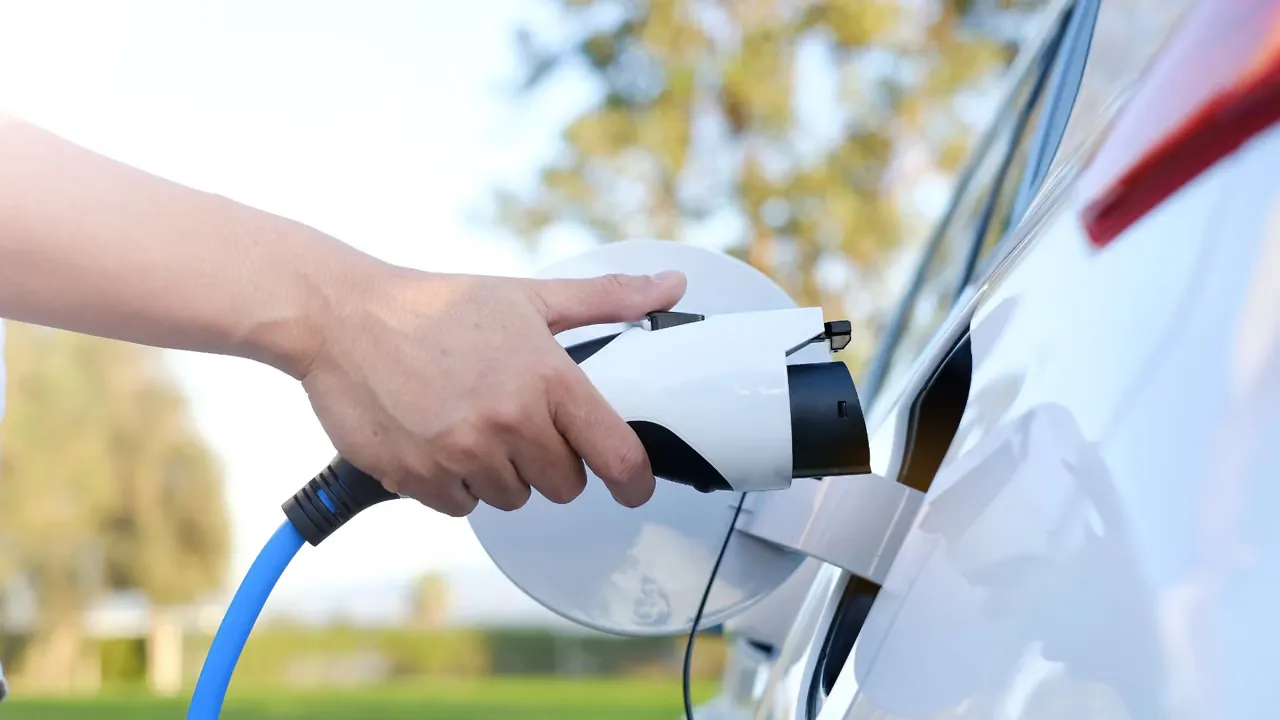
As electric vehicles become a common sight on city streets, the way we charge them is quietly reshaping urban life and energy systems. Home-based EV charging, once a niche convenience, is now a significant factor in how households consume electricity and manage daily routines.
The rise of home EV charging and its convenience
More drivers are plugging in their electric vehicles at home, drawn by the ease and cost savings of overnight charging. Unlike gas stations, home charging stations offer a private, always-available option that fits seamlessly into daily life. Pulling into the garage after work, connecting the charger, and waking up to a fully charged car is a simple routine that has quickly become the norm for EV owners.
This shift isn’t just about convenience; it reflects a broader lifestyle change. Home charging removes the anxiety of finding public chargers or waiting in line, encouraging more people to consider electric vehicles as practical daily drivers rather than weekend toys. It also allows users to take advantage of lower electricity rates during off-peak hours, reducing the cost of powering their commute.
Challenges of increased residential electricity demand
But this convenience comes with challenges. As more households adopt EVs, the surge in electricity demand during evening hours puts pressure on local grids. Residential transformers and circuits, often designed decades ago, can struggle to handle the additional load. In densely populated urban areas, this can lead to power quality issues, increased peak demand, and higher infrastructure costs.
Utilities and city planners are grappling with how to accommodate this new demand without overbuilding or risking blackouts. The problem isn’t just technical; it’s also behavioral. If everyone charges their EVs right after arriving home, the grid faces a sharp spike in usage. Without intervention, this pattern could undermine the environmental benefits of electric vehicles by increasing reliance on fossil-fuel peaker plants during peak hours.
Innovations in home charging technology to optimize energy use
Technological advances are stepping in to ease these growing pains. Smart chargers that communicate with the grid allow for more flexible and efficient energy use. These devices can delay charging to off-peak periods or adjust power levels dynamically based on grid conditions and household energy consumption.
For example, some home chargers now integrate with solar panels and home energy management systems, prioritizing self-generated renewable energy for EV charging. This reduces the load on the grid and cuts electricity bills simultaneously. Others include features like load balancing, which prevents household circuits from tripping by managing the combined energy draw of the electric vehicle and other appliances.
Additionally, vehicle-to-home (V2H) and vehicle-to-grid (V2G) technologies are emerging. These systems allow EVs to act as mobile energy storage units. During peak demand, a charged vehicle can feed electricity back into the home or even the local grid, smoothing demand spikes and providing backup power in outages. While still not widespread, pilot programs are demonstrating their potential to transform EVs from mere consumers to active participants in energy ecosystems.
Future prospects integrating home EV charging with smart grids
The true game changer will be the integration of home EV chargers with smart grid infrastructure. A smart grid uses digital communication technology to monitor and manage electricity flows in real time, enabling a two-way interaction between utilities and consumers.
In this future, home chargers won’t just respond passively to grid signals; they’ll be part of an automated system optimizing when and how much to charge based on factors like electricity prices, renewable energy availability, and the household’s travel needs. Imagine your EV charging primarily when the sun is shining on your rooftop solar array or when wind farms are generating excess power, and then pausing when fossil fuel plants ramp up.
Such integration could unlock significant benefits:
- Reduced infrastructure costs. By smoothing out peak demand, utilities can delay expensive upgrades.
- Lower energy bills. Smart charging can shift consumption to cheaper time periods.
- Enhanced grid stability. Distributed storage from EV batteries can buffer fluctuations and support renewable energy integration.
- Empowered consumers. Users gain more control over their energy use and environmental impact.
City planners and utilities are already experimenting with pilot programs and incentives to encourage smart charging adoption. However, realizing this vision requires overcoming challenges such as standardizing communication protocols, ensuring cybersecurity, and designing user-friendly interfaces that translate complex grid signals into simple charging decisions.
As urban centers continue to electrify transportation and embrace sustainability goals, home-based EV charging will be a critical battleground. Its impact reaches beyond the garage, influencing energy consumption patterns, infrastructure development, and even the daily rhythms of city life.