Five Ways EV Hubs Transform Urban Travel
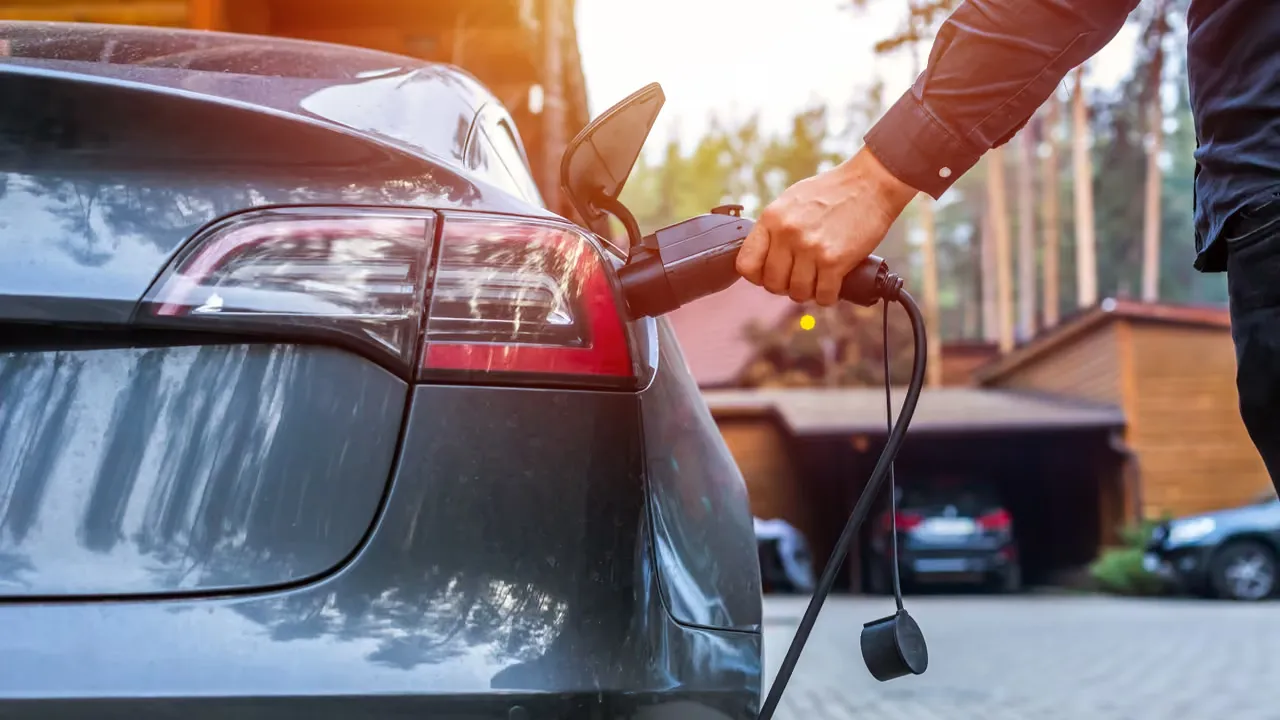
What if the future of electric vehicle charging wasn’t just about powering individual cars, but about transforming how we move together through cities?
The Link Between EV Charging Accessibility and Shared Mobility Adoption
Electric vehicles (EVs) are gaining ground fast, but their real potential in cities depends on more than just battery range and fast chargers. It hinges on how accessible and convenient charging infrastructure is, especially when it comes to shared mobility options like car sharing and ride pooling. When charging points are scattered, hard to find, or limited in number, people gravitate towards owning personal EVs instead of sharing. This undermines efforts to reduce the total number of vehicles on the road.
Conversely, when charging hubs are thoughtfully placed and designed to serve multiple users simultaneously, they can become magnets for shared EV fleets. These locations create a physical and psychological anchor for communal transport, reassuring users that a vehicle will be charged and ready. This accessibility encourages more people to opt into shared EV schemes, knowing they won’t be stranded without power or convenience.
Designing Charging Hubs That Promote Car Sharing and Ride Pooling
Charging hubs must do more than just provide electricity; they should act as community nodes that facilitate shared usage. Here are some design principles that make charging infrastructure effective for shared EVs:
- Clustered Charging Bays – Instead of isolated chargers scattered randomly, grouping multiple chargers together creates a dedicated space for fleet vehicles. This enables operators to rotate cars quickly and users to switch vehicles seamlessly.
- Integrated Booking Systems – Charging hubs paired with digital platforms allow users to reserve cars and charging slots in advance, reducing wait times and increasing turnover efficiency.
- Multi-Modal Connectivity – Placing charging hubs near public transit stops, bike-share stations, or pedestrian zones encourages users to combine rides, reducing single-occupancy vehicle trips.
- Flexible Charging Speeds – Incorporating a mix of fast and slow chargers ensures that vehicles can be charged based on their usage pattern—quick top-ups for shared vehicles in rotation and slower overnight charges for fleet maintenance.
- Accessible Location – Prioritizing locations in dense urban neighborhoods, business districts, and transport hubs makes shared EVs a practical choice for daily commuters and casual users alike.
By focusing on these elements, cities and private companies can build infrastructure that doesn’t just serve EV owners, but encourages an entire ecosystem of shared, clean mobility.
Impact of Shared EV Usage on Urban Traffic and Environmental Goals
Shared electric vehicles promise to reshape urban traffic patterns in meaningful ways. When more people pool rides or borrow cars from a shared fleet, fewer vehicles circle the block hunting for parking. This reduces congestion, especially during peak hours in high-density areas.
Moreover, shared EVs tend to have higher utilization rates than privately owned cars, meaning fewer vehicles are needed overall to meet demand. This efficiency leads to less urban space devoted to parking lots and garages, freeing up land for parks, pedestrian zones, or affordable housing. The environmental benefits extend beyond tailpipe emissions reduction; they include less noise pollution, improved air quality, and a smaller urban heat island effect.
Shared EVs also encourage a shift in consumer mindset—from ownership to access—which can spur broader adoption of sustainable transport habits. The easier and more affordable it is to jump into a clean vehicle on-demand, the less likely people are to rely on gas-guzzling personal cars.
Case Studies of Cities Pioneering EV Charging for Communal Transport
- Oslo, Norway – Oslo has deployed dense networks of EV charging hubs integrated with its extensive car sharing programs. The city offers dedicated parking spots with chargers for shared EV fleets, coupled with real-time app-based vehicle reservations that streamline usage. This approach has contributed to a 40% reduction in private car trips in certain districts.
- Los Angeles, USA – LA is investing in multi-modal mobility hubs that connect EV car share, bike share, and public transit. Their pilot projects focus on neighborhoods with limited private vehicle ownership, making shared EVs a practical alternative. Charging stations here offer a mix of fast chargers for fleet vehicles and slower chargers for overnight top-ups, increasing operational flexibility.
- Amsterdam, Netherlands – Amsterdam’s approach involves creating “mobility points” that combine EV charging with car sharing, ride pooling, and even electric bike rentals. These points are strategically located near train stations and busy commercial areas. The city tracks usage data to optimize charger placement and fleet size, ensuring the system remains efficient and user-friendly.
- Shenzhen, China – Shenzhen has electrified its entire public bus fleet and is now expanding charging infrastructure to support shared electric taxis and ride-hailing services. Their rapid charging hubs are co-located with maintenance facilities, allowing vehicles to be charged and serviced with minimal downtime, supporting high vehicle turnover and availability.