Five Challenges of Charging Commercial EVs
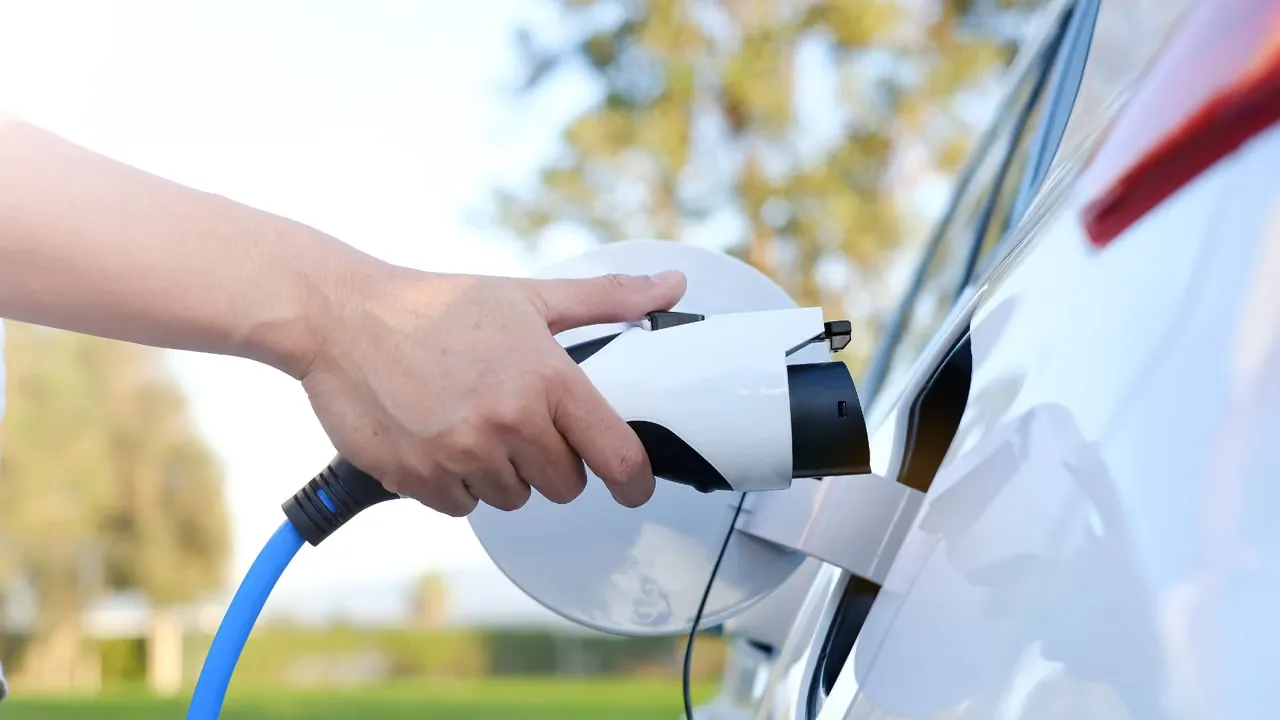
How do electric commercial fleets manage the complex demands of EV charging without blowing their budgets or derailing operations? While the shift to electric vehicles promises reduced emissions and lower fuel costs, the reality of keeping a fleet charged and ready is anything but simple.
Understanding the Unique Charging Needs of Commercial EV Fleets
Commercial electric fleets differ vastly from personal EV ownership. These vehicles operate on tight schedules, often running multiple shifts a day and covering significant mileage. Unlike a passenger car that can plug in overnight, commercial fleets need charging solutions that fit around operational hours and minimize downtime.
Fleet vehicles also vary widely—from delivery vans and box trucks to larger vehicles like buses—each with different battery sizes, charging speeds, and duty cycles. This diversity means a one-size-fits-all approach to charging infrastructure is impractical. Fleet managers must consider:
- Charging speed requirements: High-mileage vehicles demand faster charging to stay on the road.
- Energy demand peaks: Multiple vehicles charging simultaneously can strain electrical capacity.
- Scheduling logistics: Charging must align with delivery windows and driver shifts.
- Space constraints: Depots may have limited room for extensive charging setups.
Common Challenges Faced by Fleet Managers in EV Charging
Fleet operators quickly discover EV charging isn’t just about plugging in. Several hidden hurdles complicate the transition:
Electrical Infrastructure Upgrades
Many commercial depots lack the electrical capacity to support dozens of fast chargers. Upgrading transformers, panels, and wiring can be costly and time-consuming, potentially delaying fleet electrification timelines.
High Demand Charges
Electric utilities often impose demand charges based on peak power usage rather than total energy consumed. When a fleet charges many vehicles simultaneously, these peaks spike, leading to unexpectedly high bills that erase some of the fuel savings.
Managing Charging Schedules
Coordinating charging to avoid peak demand periods and ensure vehicles are ready on time is a complex juggling act. Inefficient scheduling can cause bottlenecks or force vehicles to wait for an available charger.
Equipment Reliability and Maintenance
Commercial chargers endure heavy daily use and harsh environments, leading to wear and breakdowns. Maintenance downtime can disrupt operations, and inconsistent performance undermines confidence in EVs.
Innovative Solutions Custom-Designed for Commercial EV Charging
Addressing these challenges requires tailored approaches that respect the operational realities of commercial fleets.
Smart Charging and Energy Management Systems
Advanced software platforms monitor and control charging loads in real-time. By staggering charging times, throttling power delivery, and optimizing schedules, these systems reduce peak demand charges and avoid overloading electrical infrastructure.
Onsite Energy Storage
Battery storage systems can store energy during off-peak hours and release it during charging peaks. This smooths out demand spikes and can integrate with renewable energy sources like solar panels, further cutting operating costs.
Modular and Scalable Charger Installations
Rather than installing all chargers at once, fleets can deploy modular systems that grow with their needs and budget. This phased approach eases upfront costs and allows infrastructure to keep pace with fleet electrification goals.
Tailored Charging Hardware
Choosing chargers designed for commercial use—rugged, weather-resistant, and capable of higher power outputs—ensures reliability. Some fleets adopt chargers with multiple connectors to serve diverse vehicle types from a single unit.
Future Trends Shaping Commercial EV Fleet Charging
The commercial EV charging landscape is evolving fast, shaped by technology advances and regulatory push.
- Vehicle-to-Grid (V2G) Integration – Fleets could soon feed energy back to the grid during peak demand, turning vehicles into mobile energy assets.
- Widespread DC Fast Charging – Faster charging reduces downtime, enabling longer daily routes and greater fleet utilization.
- AI-Driven Charging Optimization – Artificial intelligence will further refine charging schedules and energy management based on real-time data.
- Policy Incentives and Standards – Government programs and industry standards will ease infrastructure costs and improve interoperability.
The path to efficient and cost-effective commercial EV charging is not straightforward. It demands a deep understanding of fleet-specific needs and a willingness to invest in customized solutions that go beyond simply installing chargers.