Five Advances in Battery Recycling Tech
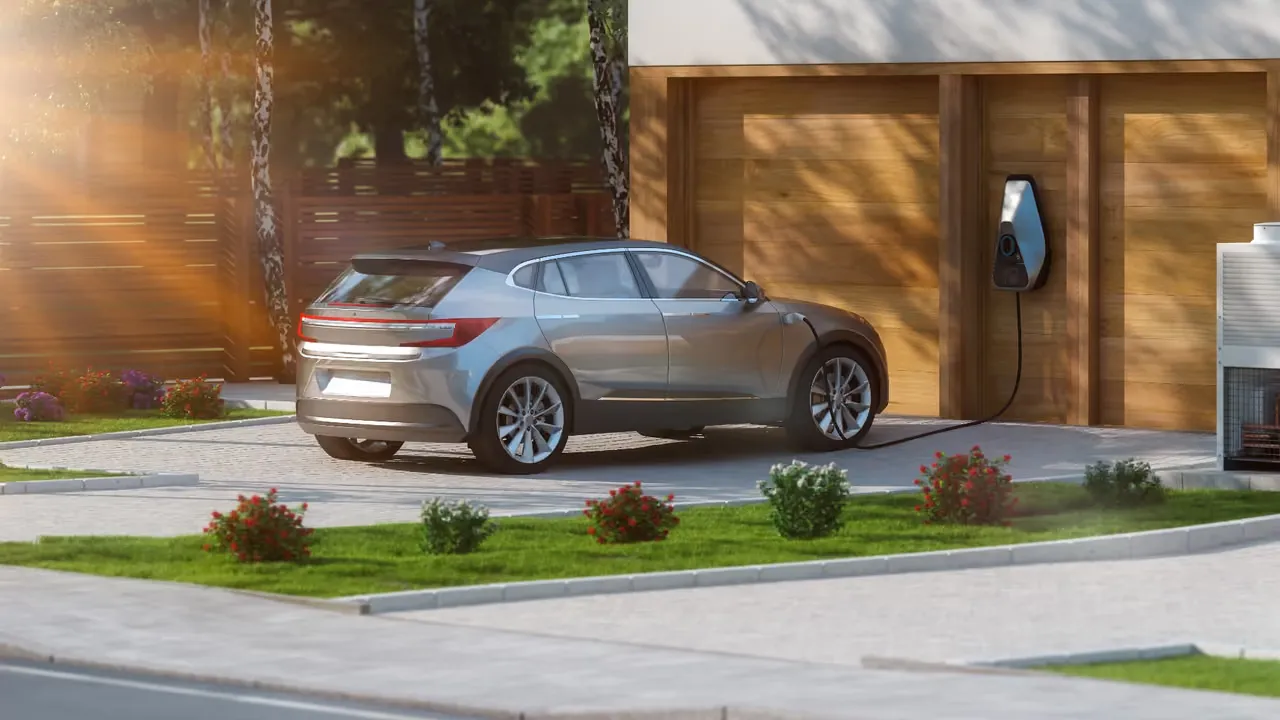
Electric cars have long been touted as the green alternative to gas-guzzlers, but the environmental story doesn’t end when you plug them in. One of the biggest sustainability questions revolves around what happens to their batteries once they retire. Fortunately, advancements in battery recycling technology are rewriting the rules, turning a potential environmental headache into a promising solution.
The Environmental Challenges of Traditional Battery Disposal
Electric vehicle (EV) batteries, typically lithium-ion based, are complex assemblies containing valuable metals like lithium, cobalt, nickel, and manganese. But when these batteries reach the end of their lifespan, disposing of them poses significant environmental risks.
Dumping or improper disposal can lead to soil and water contamination. Toxic chemicals and heavy metals may leach into the environment, harming ecosystems and human health. Even landfilling batteries wastes critical resources that are finite and often sourced under ethically questionable conditions.
Additionally, the sheer volume of used EV batteries will surge as electric car adoption accelerates. Without effective recycling, the environmental footprint of EVs could grow instead of shrink, undermining their green credentials.
Breakthroughs in Battery Recycling Methods
Recent years have brought remarkable progress in how we reclaim materials from old EV batteries. Traditional recycling methods, such as pyrometallurgical processes, involve smelting batteries at high temperatures to recover metals. While effective at extracting certain metals, these methods are energy intensive and often lose valuable materials.
More innovative techniques, like hydrometallurgical recycling, use chemical solutions to dissolve and separate metals at lower temperatures. This process allows for higher recovery rates of lithium, cobalt, and nickel with less energy consumption and fewer emissions.
Even more exciting are direct recycling methods that aim to preserve the battery’s cathode materials' chemical structure. Instead of breaking everything down into individual metals, this approach refurbishes components so they can be reused directly in new batteries. This not only saves raw materials but also reduces energy and processing time.
Companies and research institutions are also exploring automated disassembly robots and advanced sorting technologies to increase efficiency and safety in battery recycling facilities. These innovations cut down labor costs and minimize human exposure to hazardous materials.
Economic Benefits of Effective Battery Recycling
Recycling EV batteries does more than protect the environment; it makes solid economic sense. Extracting lithium and cobalt from recycled batteries is cheaper and less geopolitically risky than mining new ores, which often occur in politically unstable regions with labor issues.
For automakers, recycled battery materials reduce the raw material supply chain’s volatility and costs. This can translate to more affordable EVs for consumers and a more resilient manufacturing ecosystem.
Moreover, the growing recycling sector is creating new jobs in specialized fields such as materials science, chemical engineering, and advanced manufacturing. As regulations tighten globally around battery disposal and resource conservation, companies investing in recycling infrastructure position themselves for long-term profitability and compliance.
Future Prospects for a Circular EV Battery Economy
The ultimate goal is a closed-loop or circular economy for EV batteries, where materials are continuously reused with minimal waste. Emerging legislation in regions like the European Union is already pushing manufacturers to design batteries for easier recycling and to take responsibility for end-of-life management.
Battery second-life applications also play a role here. Before recycling, used EV batteries can be repurposed for less demanding energy storage roles, such as grid balancing or home energy systems, extending their useful life and deferring recycling needs.
On the horizon, breakthroughs in solid-state batteries and alternative chemistries may change recycling dynamics again. But regardless of technology shifts, the principles of resource recovery and waste minimization will remain critical.
As recycling technologies mature and scale, the environmental footprint of electric cars will shrink further, proving that sustainability is not just about what powers the car but also how we handle its components after the journey ends.