Five Accessibility Tips for EV Chargers
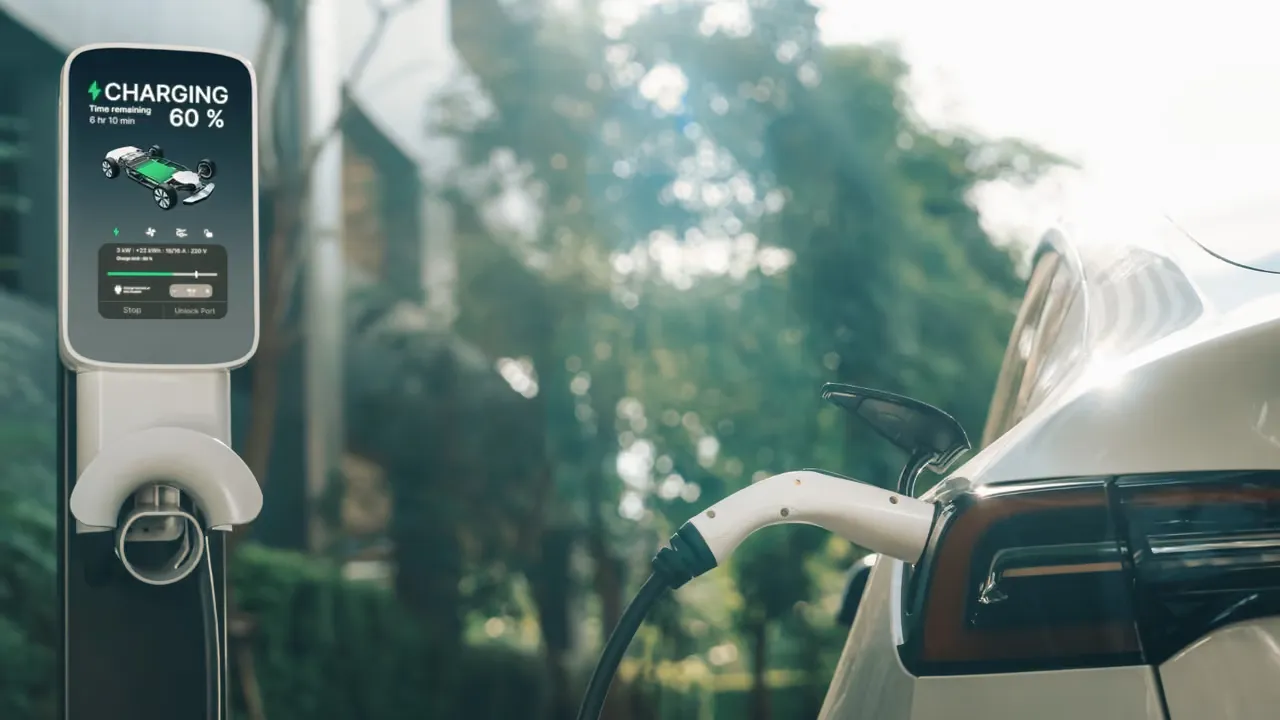
It’s common to breeze past electric vehicle charging stations without a second thought, but anyone who’s struggled with awkward plugs or hard-to-read screens knows that the design of these stations matters more than you might expect. The ergonomics and accessibility of EV chargers play a crucial role in shaping how drivers interact with their vehicles and, ultimately, how enthusiastic they feel about embracing electric mobility.
Ergonomic Design Principles Applied to EV Chargers
At its core, ergonomic design is about fitting products to the people who use them. For EV charging stations, this means creating interfaces and physical components that reduce effort, minimize discomfort, and prevent errors.
One of the main ergonomic challenges is the physical act of plugging in and unplugging the charger. Chargers are often heavy, with thick cables that can be stiff or unwieldy, especially in cold weather. Good design tackles this by ensuring the handle size and grip contours fit a wide range of hand sizes and strengths. Positioning the charging port at an accessible height is another key factor. Too low, and users must bend awkwardly; too high, and it becomes a reach for shorter users or those in wheelchairs.
The controls and display screens also demand thoughtful design. Clear, legible fonts and intuitive interfaces reduce cognitive load. Buttons and touchscreens should respond reliably without requiring excessive force or precision. Feedback from the station—whether visual, audible, or tactile—helps users confirm that their actions have been registered, preventing confusion and frustration.
Accessibility Considerations for Diverse Users
Designing for accessibility means thinking beyond the average user. EV charging stations must serve people of all ages, abilities, and physical conditions.
- Mobility impairments: Stations should comply with standards like the Americans with Disabilities Act (ADA), ensuring that wheelchair users can reach ports and controls without strain. This includes providing ample clearance around the station and lowering key elements to appropriate heights.
- Visual impairments: High-contrast displays, Braille labels, and audio instructions can make a huge difference. For instance, a charging station that announces its status or guides users through the process helps those who can’t rely solely on visual cues.
- Older adults: Aging drivers often experience reduced grip strength and slower reaction times. Larger, easier-to-handle connectors and simplified interfaces can address these challenges.
Accessibility also extends to language and technology familiarity. Multilingual support and clear iconography make stations usable for non-native speakers, while straightforward payment options prevent technological barriers from blocking the charging process.
Innovations Enhancing Ease of Use in Charging Stations
As EV adoption grows, charging station designers are experimenting with new features to enhance usability.
- Wireless charging: Though still emerging, wireless or inductive charging removes the need to handle cables altogether. Users simply park over a charging pad, eliminating many ergonomic concerns related to plugging in.
- Robotic arms and automated connectors: Some concepts and pilot projects feature robotic systems that autonomously connect to the vehicle, catering especially to users with limited mobility or those in a hurry.
- Smartphone integration: Apps that allow remote monitoring, start/stop commands, and troubleshooting reduce the need to interact directly with the station’s physical interface. This can be a boon for users who find touchscreen controls challenging.
- Flexible cable management: Retractable cables or swivel mounts keep cords off the ground and prevent tangling, streamlining the connection process and reducing trip hazards.
These innovations reflect a broader recognition that charging stations should not just be functional but genuinely user-friendly and inclusive.
Impact on Adoption Rates and User Satisfaction
When charging stations are frustrating or difficult to use, it creates an invisible barrier to EV adoption. Drivers may hesitate to switch to electric vehicles if they anticipate complications or discomfort every time they need to recharge. Conversely, well-designed stations improve the overall ownership experience, making electric driving more convenient and less stressful.
Studies have shown that positive user experiences with charging infrastructure correlate with higher satisfaction and greater willingness to recommend EVs to others. Accessibility features also broaden the potential customer base, ensuring that more people can participate in the shift toward sustainable transportation.
Ultimately, the design and ergonomics of EV charging stations are not just about aesthetics or technical specifications—they directly influence how people interact with the technology and whether they feel empowered or inconvenienced by it.