Fastest EV Chargers Hit Highways Now
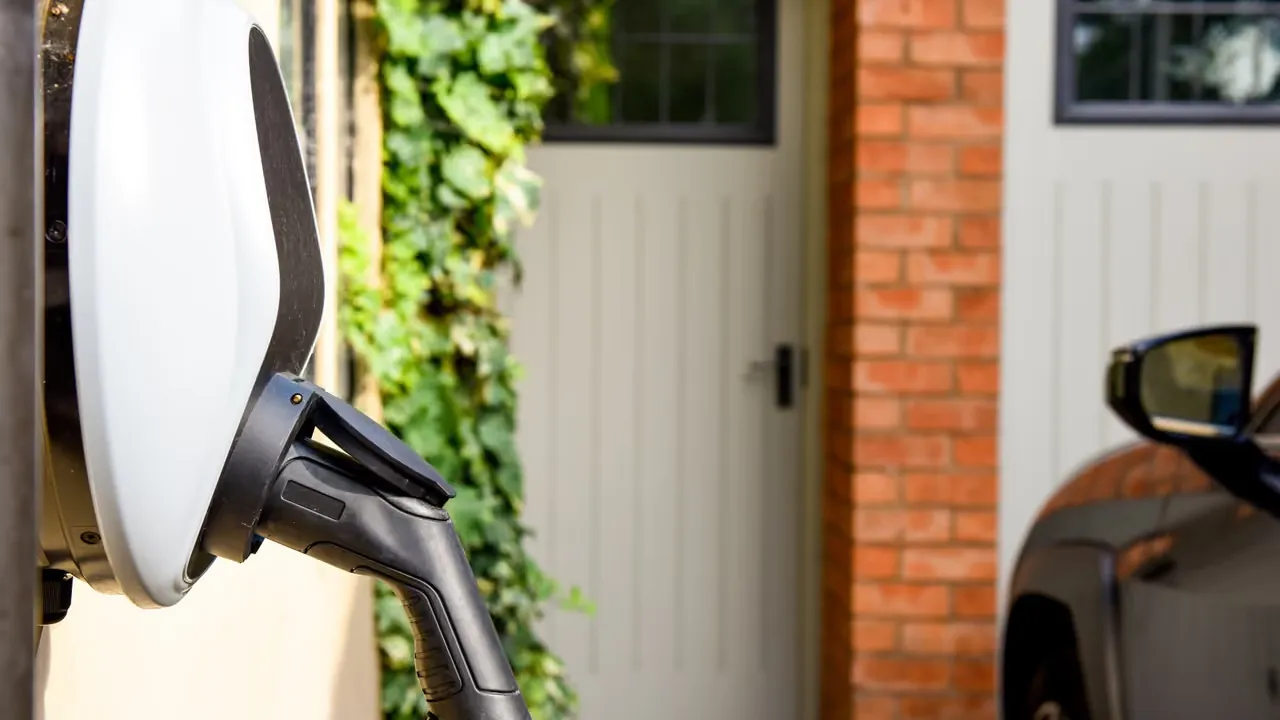
Imagine pulling off a highway rest stop, plugging your electric vehicle into a charger, grabbing a coffee, and, within the time it takes to enjoy that coffee, you’re back on the road with a 200-mile range boost. This isn’t a scene from a sci-fi movie—it’s increasingly becoming the reality of long-distance travel thanks to ultra-fast EV charging stations.
The Rise of Ultra-Fast Charging Technology
For years, one of the biggest hurdles to widespread electric vehicle adoption was the lengthy charging time. Early EV chargers typically delivered power at 50 kW, which meant filling up a battery could take upwards of an hour or more. Ultra-fast charging technology has flipped that script. Now, chargers delivering 150 kW, 350 kW, and even higher are becoming more common.
These ultra-fast chargers can replenish an EV battery to 80% capacity in roughly 15 to 20 minutes, depending on the vehicle and battery size. This dramatic reduction in charging time has made electric vehicles far more practical for long-distance trips, something that once required significant planning and patience.
How Ultra-Fast Charging Works
- Higher Power Delivery: Ultra-fast chargers push significantly more electricity into the battery per minute compared to older chargers.
- Advanced Battery Management: Modern EV batteries and management systems are designed to handle rapid charging without damaging the battery’s health.
- Cooling Systems: Both in the charger and vehicle, sophisticated cooling technologies help keep temperatures in check during these high-speed charges.
Building a Nationwide Network of Ultra-Fast Chargers
Technology alone doesn’t solve the problem. The availability of ultra-fast charging stations in convenient locations is critical. Recent infrastructure investments have focused on creating dense networks of these chargers along highways and in urban centers. Governments and private companies are collaborating to install ultra-fast chargers at service areas, shopping centers, and popular travel corridors.
For example, corridors like the Interstate 95 on the East Coast and the I-5 on the West Coast are now dotted with ultra-fast charging hubs, making coast-to-coast EV travel not just feasible but comfortable. The goal is to have stations spaced roughly 50 to 70 miles apart, reducing range anxiety and minimizing detours.
Innovations Supporting Infrastructure
- Grid Upgrades: To support ultra-fast charging’s high energy demands, power grids are being modernized with better capacity and smart management systems.
- Renewable Integration: Some stations incorporate solar panels and battery storage to offset grid strain and promote sustainability.
- Interoperability: Efforts are underway to standardize charging connectors and payment systems, so drivers can access any ultra-fast station with ease.
Shifting Driver Behavior and Travel Planning
With ultra-fast charging, the way people plan and experience road trips is changing. Instead of scheduling long stops of an hour or more, drivers can now integrate brief breaks that fit naturally into a road trip rhythm—grab a snack, stretch legs, check messages—and resume driving swiftly.
This shift is encouraging more spontaneous travel. Drivers no longer feel tethered to charging points hours apart or constrained by a battery’s limited range. Family trips, weekend getaways, and even business travel become less stressful and more flexible.
Moreover, apps and navigation systems have evolved to include real-time ultra-fast charger availability, wait times, and pricing, empowering drivers with up-to-date information to optimize their routes and stops.
New Road Trip Culture
- Shorter Stops: Rest areas and cafes near chargers adapt to serve quick, quality experiences instead of long waits.
- Increased Confidence: Drivers feel less anxious about running out of charge, making longer trips more accessible.
- Social Spaces: Some ultra-fast charging hubs become community spots where EV enthusiasts meet and share experiences.
Challenges and What Lies Ahead
Despite rapid progress, ultra-fast charging still faces hurdles. The high cost of installation and maintenance limits how quickly stations can expand. Power demand spikes can strain local grids, requiring significant upgrades. Battery technology, while advancing, still faces limitations on how fast it can safely accept ultra-fast charges without degrading over time.
There’s also the issue of equitable access. Rural areas and lower-income regions often lag behind in ultra-fast charger availability, potentially creating disparities in EV adoption and travel ease.
Looking forward, several trends promise to shape the future of ultra-fast charging:
- Battery Innovation: Solid-state and other next-gen batteries could handle even faster charges with longer lifespans.
- Vehicle-to-Grid Integration: EVs could become part of energy storage solutions, smoothing demand peaks from ultra-fast charging.
- Expanded Renewable Use: More ultra-fast stations powered by clean energy to reduce environmental impact.
- Smart Charging Networks: AI and data analytics to optimize charger deployment, maintenance, and user experience.
Ultra-fast EV charging isn’t just a technological upgrade—it’s a cultural shift. It’s remaking the way we hit the road, blending convenience with sustainability, and opening the door to new adventures that were once the sole domain of gasoline cars.