Fast EV Chargers Transforming City Life
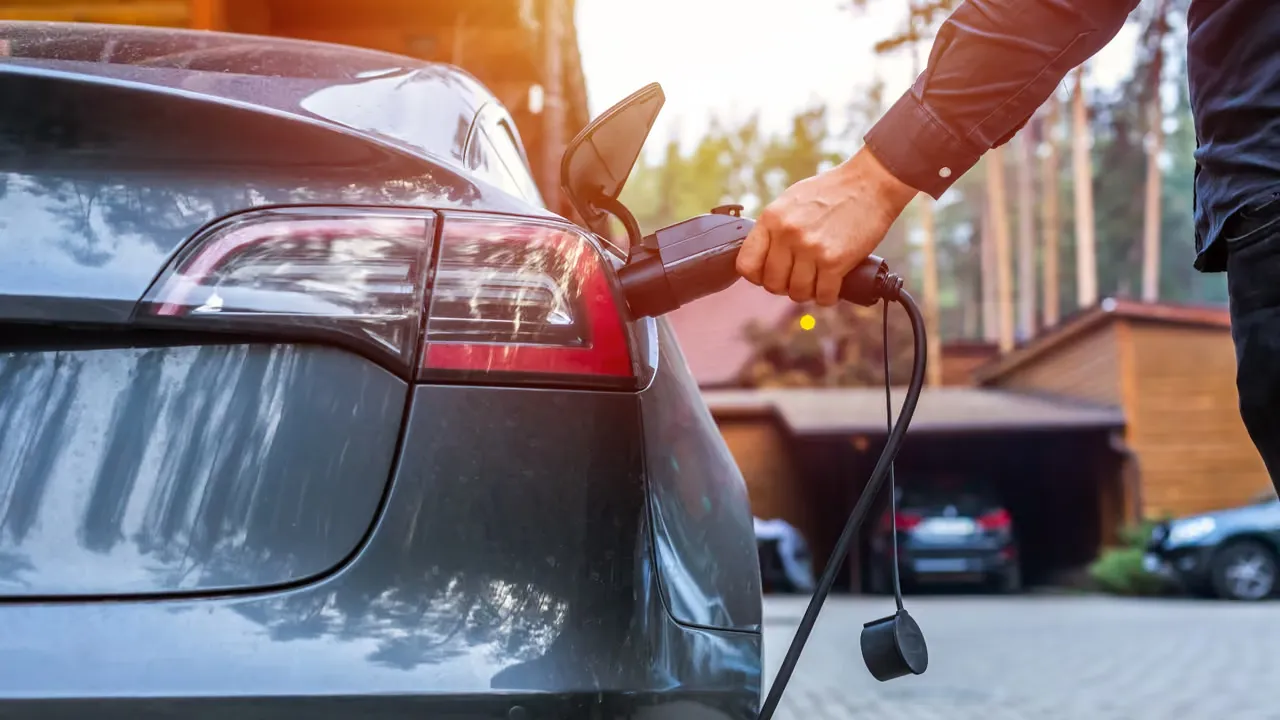
Driving through the heart of any major city today, it’s impossible to ignore the growing presence of fast EV chargers. What once felt like a futuristic convenience has swiftly become an essential part of urban life. The rapid evolution of fast charging technology isn’t just changing how drivers power their electric vehicles—it’s reshaping the very fabric of city infrastructure and daily routines.
Evolution of fast charging From novelty to necessity
Electric vehicles (EVs) started as niche products, often limited by range anxiety and slow charging speeds. Early chargers could take several hours to replenish a battery, making them impractical for anything beyond overnight or long-term charging. Fast charging technology, however, has dramatically altered this landscape.
Initially, fast chargers were a novelty—installed sporadically and used mostly by enthusiasts or early adopters willing to wait 30 minutes or more for a meaningful charge. But as battery technology improved and EV adoption surged, fast chargers evolved quickly. Today’s fast chargers can deliver up to 350 kW, replenishing 80% of a typical battery in as little as 15-20 minutes. This leap has transformed fast charging from a luxury into a necessity, especially in dense urban environments where time and space are at a premium.
Impact of fast charging on urban planning and parking
Fast charging stations have become a new type of urban amenity, prompting cities to rethink parking and infrastructure. Traditional parking lots and garages are being retrofitted or designed from scratch with integrated fast chargers, turning them into multi-functional hubs. This shift brings several implications:
- Redefining parking spaces: Parking spots equipped with fast chargers occupy more space and require higher power connections. Cities are learning to balance the number of EV charging spots with general parking demand.
- Power infrastructure upgrades: Fast chargers demand robust electrical infrastructure. Urban planners must coordinate with utility providers to ensure grid capacity can handle peak loads, often pushing for smart grid integration and renewable energy sources.
- Location strategy: Unlike slower chargers that can be placed almost anywhere, fast chargers need to be in strategic locations—near highways, transit hubs, shopping centers, or workplaces—to maximize accessibility and turnover.
These changes affect not only where people park but also how they use parking facilities, encouraging shorter stays and more frequent stops.
Changes in daily commuting due to accessible quick charging
Fast charging availability is quietly revolutionizing daily commuting patterns. Where once EV drivers planned trips around slow charging or home charging, they now enjoy flexibility similar to gasoline drivers. Some key changes include:
- Longer daily ranges: With quick top-ups possible during work breaks or errands, commuters can confidently drive longer distances without worrying about running out of power.
- Reduced need for home charging: Not every urban dweller has access to private parking or home chargers. Fast public chargers fill this gap, making EV ownership viable for apartment residents and others without dedicated charging spots.
- New charging habits: Instead of plugging in overnight, many drivers now opt for shorter, more frequent charging sessions throughout the day, integrating charging into their normal routines.
- Shift in vehicle usage: Fast charging supports the rise of EV car-sharing and ride-hailing services, which rely on quick turnaround times to keep vehicles on the road.
All these factors contribute to a shift in how urban residents think about mobility, blurring the lines between refueling and everyday stops.
Challenges and future innovations in fast charging technology
Despite impressive advances, fast charging still faces hurdles. The high power demands stress electrical grids, and frequent fast charging can accelerate battery degradation if not managed carefully. Urban space constraints also limit where chargers can be installed, and the cost of fast charging infrastructure remains significant.
Looking ahead, several innovations promise to address these challenges:
- Battery technology improvements: Advances in battery chemistry and thermal management aim to reduce degradation from fast charging, extending battery life.
- Vehicle-grid integration: Smart charging systems that communicate with the grid can optimize charging times and power draw, easing grid strain.
- Wireless and ultra-fast charging: Emerging wireless charging pads and chargers capable of delivering 500 kW or more could make charging even more seamless.
- Renewable energy integration: Pairing fast chargers with solar panels and energy storage can reduce carbon footprints and improve grid resilience.
As cities continue to adapt, the interplay between fast charging technology, urban design, and commuter behavior will shape the future of electric mobility. The rapid pace of innovation ensures that what seems cutting-edge today will soon become tomorrow’s standard.