Electric Fleets Powering Delivery Revolution
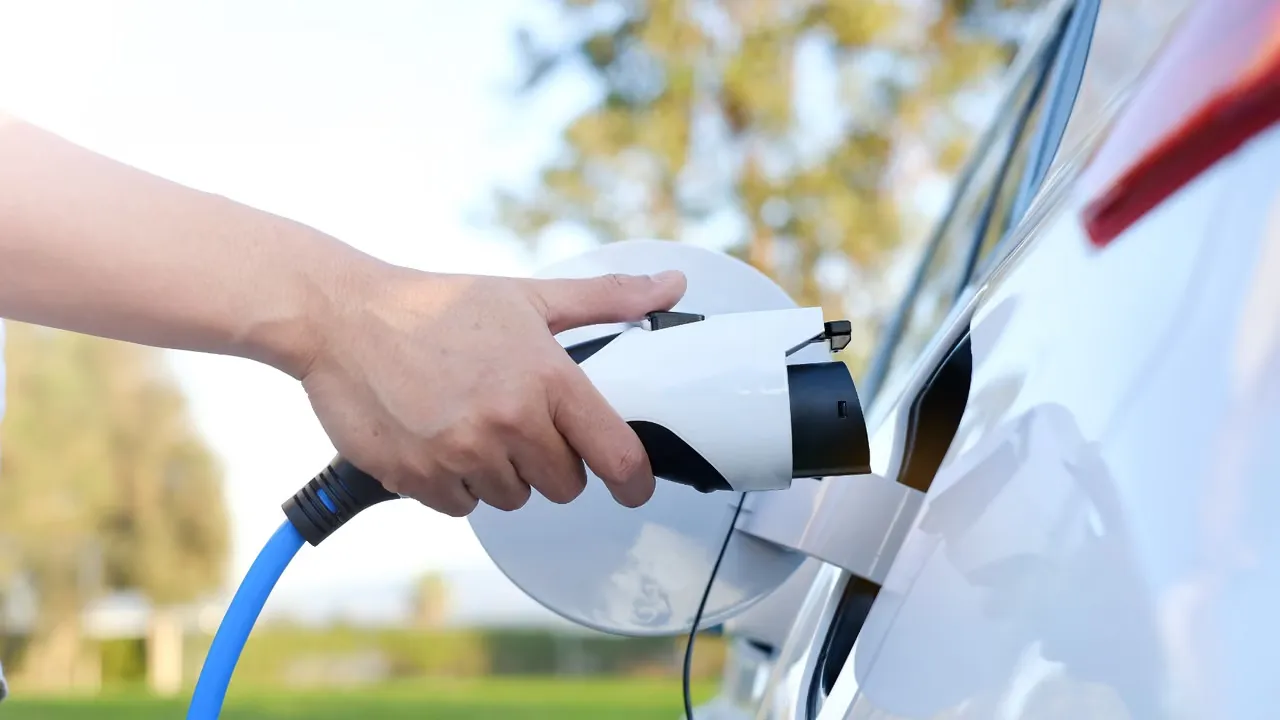
It’s impossible to ignore the quiet revolution happening on city streets and industrial parks: delivery vans and trucks are swapping diesel engines for electric motors. As e-commerce explodes and sustainability becomes a pressing demand, electric vehicles (EVs) have woven themselves into the fabric of delivery and logistics operations. But powering these commercial fleets isn’t as simple as plugging in a personal EV overnight. The charging infrastructure must evolve to meet a unique set of demands that come with high-mileage, round-the-clock operations.
The Rise of EVs in Delivery and Logistics Industries
Electric vehicles are no longer niche curiosities reserved for environmentally conscious early adopters. Major companies like Amazon, UPS, FedEx, and DHL have committed to electrifying large portions of their fleets, seeing both economic and environmental advantages. Advances in battery technology have improved range and reliability, while government incentives and tightening emissions regulations push fleets toward cleaner alternatives.
Unlike personal EVs, which typically cover 30-50 miles a day and recharge overnight at home, delivery and logistics vehicles often run 10 to 12 hours straight, covering hundreds of miles. This operational intensity means fleets need charging solutions that can keep pace with tight schedules and high utilization rates.
Charging Challenges Unique to Commercial Fleet Operations
Fleet charging isn’t just about plugging in and waiting; it’s a complex puzzle with several constraints:
- High Utilization Rates: Delivery vehicles don’t have the luxury of sitting idle for hours. Charging windows are minimal, often squeezed between shifts or during brief breaks.
- Large Fleet Sizes: A single depot can house dozens or hundreds of vehicles, requiring significant electrical capacity and smart management to avoid grid overloads.
- Variable Schedules: Unlike the predictable daily commute of personal vehicles, delivery routes and schedules can shift rapidly, demanding flexible charging availability.
- Space Constraints: Urban depots and warehouses often have limited real estate for installing large charging setups, forcing operators to optimize every square foot.
- Cost Considerations: Commercial operators must balance upfront infrastructure investments with long-term operational savings, making cost-effective solutions essential.
Innovative Solutions for Rapid and Efficient Fleet Charging
To tackle these challenges, the EV charging industry is innovating on multiple fronts, tailoring solutions specifically for commercial fleets rather than personal users.
High-Power DC Fast Charging
Traditional Level 2 chargers (around 7-22 kW) are too slow for fleet needs. Instead, many operators are adopting DC fast chargers delivering 150 kW or more, slicing charging times dramatically. This allows vehicles to recharge enough to complete a shift during short breaks or overnight stints.
Smart Charging Management Systems
Managing dozens of chargers simultaneously requires sophisticated software. Smart charging platforms balance load to prevent peak demand charges, schedule charging when electricity is cheapest, and prioritize vehicles based on route urgency. Such systems ensure fleets get the juice they need without blowing the electric bill.
Battery Swapping and Opportunity Charging
Some companies experiment with battery swapping—removing depleted batteries and replacing them with fully charged ones in minutes. Others use opportunity charging, adding quick top-ups during scheduled stops or deliveries to extend range without lengthy downtime.
Onsite Energy Storage and Renewable Integration
To alleviate grid strain, fleet depots increasingly deploy onsite batteries that store energy during off-peak hours or from solar panels. This stored power can then rapidly charge vehicles during busy periods, smoothing demand and reducing costs.
Modular and Scalable Infrastructure
Recognizing that fleet needs evolve, charging hardware is becoming modular. Operators can start small and scale up, adding chargers or energy storage as their electric fleet grows, minimizing initial capital expenditure while future-proofing operations.
Impact on Urban Traffic and Environmental Benefits
Electrifying delivery fleets brings tangible benefits beyond the bottom line. Urban air quality improves as diesel fumes and particulate matter diminish, reducing respiratory ailments and improving quality of life for city residents. Noise pollution drops since EVs operate quietly, making early-morning or late-night deliveries less disruptive.
From a traffic perspective, smart charging infrastructure helps optimize delivery schedules. By ensuring vehicles are ready exactly when needed, fleets avoid unnecessary trips, idling, or detours caused by range anxiety. This efficiency translates into fewer vehicles clogging streets and reduced carbon emissions from logistics operations.
Moreover, integrating renewable energy sources into charging depots means emissions drop even further. As the grid decarbonizes, every kilowatt-hour fed into these fleets represents a step away from fossil fuels.