Electric Cars Could Charge Without Plugs
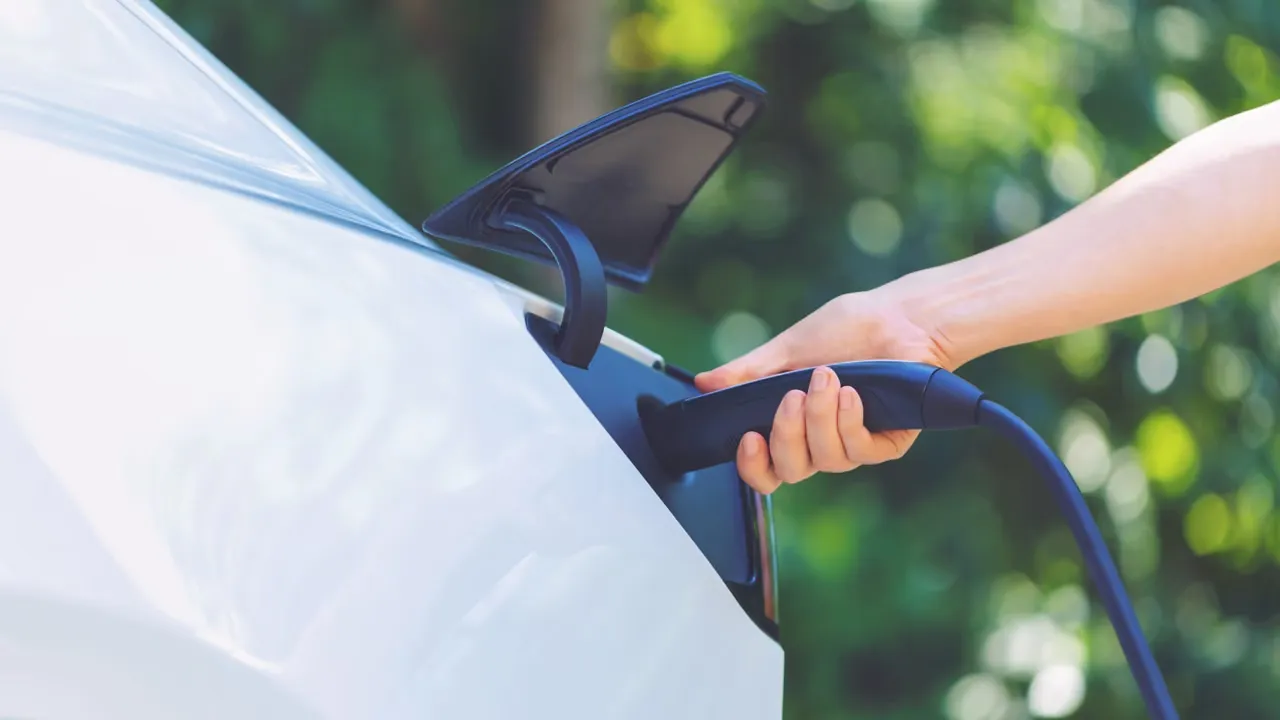
What if charging your electric vehicle could be as simple as parking your car, no cables or plugs needed? This idea is fast moving from science fiction to reality, thanks to emerging wireless EV charging technology. As electric vehicles (EVs) gain traction worldwide, the convenience and accessibility of charging infrastructure become crucial. Wireless charging promises to reshape this experience, but how exactly does it work, and what hurdles still lie ahead?
Understanding Wireless EV Charging Technology
Wireless EV charging operates on the principle of inductive charging, where power is transferred through electromagnetic fields rather than physical connectors. The system typically involves a charging pad embedded in the ground and a receiver installed on the vehicle's underside. When the vehicle parks over the pad, energy is transmitted wirelessly from the pad to the receiver, which then charges the battery.
This technology is similar to wireless charging used in smartphones but scaled up significantly to handle the high power levels needed by EVs. There are two main approaches:
- Static wireless charging – where the vehicle charges while parked over a stationary pad.
- Dynamic wireless charging – a more futuristic approach where charging pads are embedded in roads, enabling vehicles to charge while driving.
Several companies and research institutions are refining these technologies, aiming to improve efficiency, power transfer rates, and compatibility across different EV models.
Benefits of Wireless Charging for EV Owners
Wireless charging could dramatically simplify the EV ownership experience. For starters, eliminating the need to plug and unplug cables addresses a common inconvenience for many EV drivers, especially in adverse weather conditions or for those with physical limitations.
- Convenience: Just park and go. No more fumbling with cables or finding compatible connectors.
- Safety: Reduced risk of tripping hazards or electrical faults caused by damaged cables.
- Accessibility: Elderly or disabled drivers may find wireless charging easier to use.
- Potential for seamless integration: Imagine parking lots, garages, or even street parking spots equipped with wireless chargers, making EV charging as ubiquitous as filling a gas tank once was.
Dynamic wireless charging, while still in early stages, could extend driving ranges by topping up batteries on the go, easing “range anxiety” and reducing the need for large, heavy batteries.
Challenges and Limitations of Wireless EV Charging
Despite its promise, wireless EV charging faces several obstacles before it can become mainstream. Efficiency is a major concern; wireless systems currently lose more energy during transfer compared to wired chargers, which translates to longer charging times and higher electricity costs.
Alignment between the vehicle and the charging pad is critical. Even slight mispositioning can drastically reduce charging performance. Innovations in pad design and vehicle guidance systems are underway to address this, but it remains a technical challenge.
Cost is another barrier. Installing wireless charging infrastructure is more expensive than traditional charging stations. For dynamic charging, embedding technology into roads demands massive investments and coordination with urban planning authorities.
Standardization is still catching up. Different manufacturers use varying designs and power levels, complicating the development of universal wireless charging solutions compatible with all EVs.
Finally, there are concerns about potential electromagnetic interference with other devices and the long-term effects of exposure to wireless charging fields, though studies so far suggest minimal risk.
Future Prospects and Integration in Urban Infrastructure
Looking ahead, wireless EV charging could become a cornerstone of smart city infrastructure. Imagine urban parking spaces equipped with wireless pads that communicate with vehicles to optimize charging schedules and energy use. Commercial fleets could benefit hugely from dynamic wireless charging, reducing downtime and boosting efficiency.
Several pilot projects around the world are already testing wireless charging in public areas, workplaces, and residential complexes. Advances in power electronics and material science continue to push the boundaries of efficiency and cost-effectiveness.
Integrating wireless charging with renewable energy sources and smart grids could further enhance sustainability. EVs could charge automatically when solar or wind power is abundant, helping balance energy demand and supply seamlessly.
As cities evolve and EV adoption accelerates, wireless charging stands to play a pivotal role in making electric mobility more practical, accessible, and user-friendly. The technology isn’t perfect yet, but its potential to change the way we power our vehicles is undeniable.