Designing EV Charging for Real User Comfort
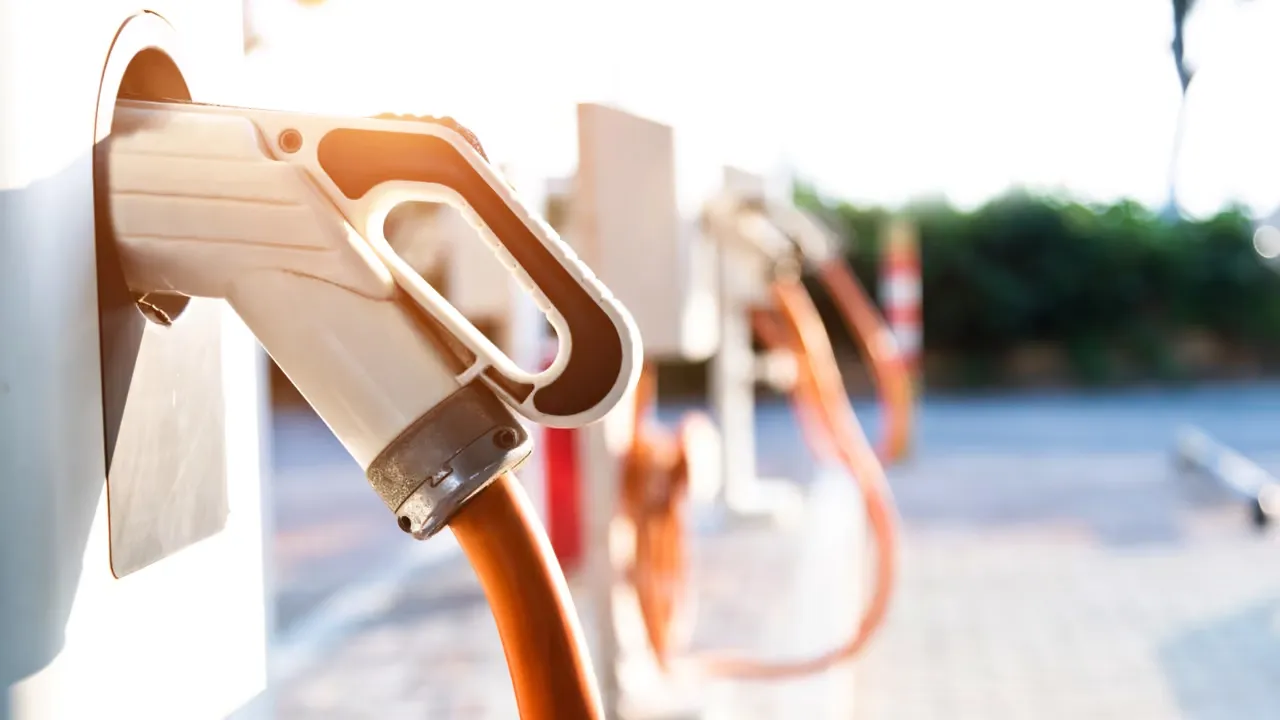
Pulling up to an EV charging station often feels like a simple, transactional moment: plug in, wait, and go. But anyone who’s spent time at these spots knows it’s rarely that straightforward. Charging speed grabs headlines, yet the station’s design—how it feels and functions—can make the wait either a drag or a delight. The future of EV charging isn’t just about electrons moving faster; it’s about rethinking the entire experience from the user’s perspective.
Understanding user needs more than fast charging
Fast charging is the obvious priority. No one wants to wait hours for a top-up. But while speed matters, it’s just one part of the user equation. Drivers often face unpredictability—are there enough spots? Is the station safe, well-lit, and easy to navigate? What about the facilities nearby? People don’t just want to plug in; they want reassurance and a comfortable pause in their journey.
Many EV drivers treat charging stops as forced breaks. Sometimes it’s a quick pit stop, other times a longer break for meals or errands. Recognizing this means designers can go beyond the charger itself and think about the full user experience: from approach and parking to amenities and safety.
Design elements that enhance comfort and convenience
Good design reduces frustration and increases ease. Here are key elements that elevate EV charging stations:
- Clear signage and intuitive layout: Drivers benefit from clearly marked bays, directional signs, and ample lighting. Confusion over where to charge or how to pay wastes time and adds stress.
- Weather protection: Charging can take 20 minutes or more. Canopies or shelters shield users from sun, rain, or snow, making the wait more pleasant.
- Ergonomic charger placement: Cables that reach comfortably without stretching or bending improve usability. Adjustable or swivel chargers accommodate different vehicle sizes and orientations.
- Easy payment systems: Multiple payment options—contactless cards, apps, or subscriptions—reduce friction. Stations that require clunky apps or memberships can alienate casual users.
- Safety features: Good lighting, visible security cameras, and emergency call buttons increase user confidence, especially in remote or poorly trafficked areas.
Integrating amenities to create valuable charging breaks
Charging stops can become moments of genuine rest or productivity if stations offer more than just power. Smart integration of amenities transforms these spaces into destinations rather than mere utilities.
- Comfortable seating and green spaces: Benches, picnic tables, or small parks invite drivers and passengers to stretch, relax, or enjoy fresh air.
- Food and beverage options: Whether it’s a nearby café, vending machines, or food trucks, access to snacks and drinks makes waiting less tedious.
- Wi-Fi and charging ports for devices: Many EV users appreciate the chance to check emails, stream entertainment, or plan their route while their car charges.
- Restrooms: Clean, accessible restrooms are non-negotiable for longer stops, especially on highway routes.
- Retail or service partnerships: Some stations include convenience stores, bike rentals, or car wash services, turning a charging stop into a multitasking opportunity.
Case studies of innovative EV charging station designs
Ionity’s European network combines fast chargers with thoughtfully designed rest areas. Many locations feature covered seating, digital displays with charging status and travel information, and easy access to nearby amenities. Their focus on clear signage and spacious layouts reduces driver anxiety in unfamiliar areas.
Tesla Supercharger V3 hubs have begun incorporating more than just chargers. Recent sites include shaded lounges, coffee stands, and Wi-Fi zones. Tesla’s approach emphasizes brand consistency while enhancing the user’s comfort during the charging session.
Electrify America’s stations showcase modular designs adaptable to urban and rural settings. Some feature partnerships with local businesses, encouraging users to explore nearby shops or restaurants. Their stations often include large digital screens displaying real-time charger availability and instructions, simplifying the charging process.
Greenlots and Shell Recharge have experimented with integrating solar canopies that provide shade and generate power, aligning sustainability with user comfort. These designs also include seating areas and app-connected amenities, ensuring users feel connected and cared for.