Community And Habits Shape EV Charging
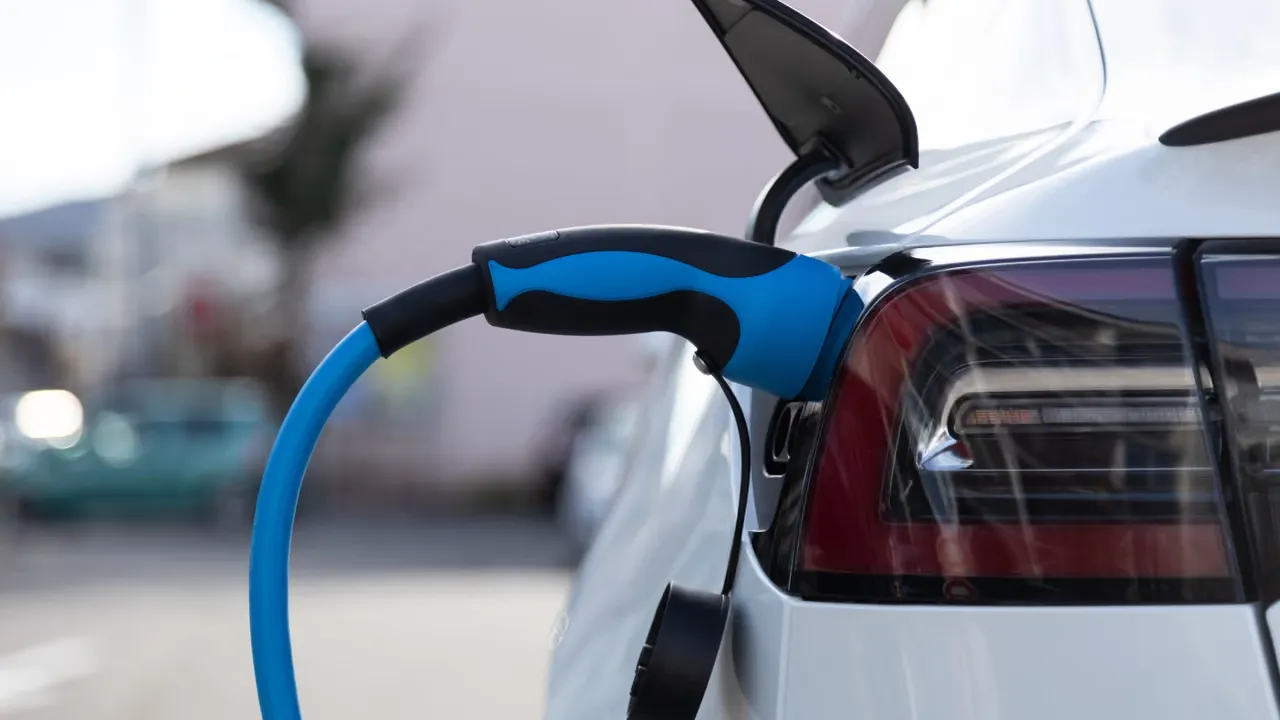
Have you ever wondered what happens in a driver’s mind the moment they switch from a gasoline car to an electric vehicle? It’s not just about plugging in and going. There’s a whole psychological and practical transformation that unfolds, one that shapes how drivers approach charging their EVs and, ultimately, how they embrace a new way of driving.
Initial Range Anxiety
For most new EV owners, the first hurdle is range anxiety. It’s that nagging worry: “Will I run out of battery before I find a charging spot?” Gasoline drivers are used to the comfort of countless gas stations wherever they go, but electric charging infrastructure still feels sparse and unpredictable to many.
Early charging habits often reflect this anxiety. Many drivers plug in far before their battery hits low levels, sometimes recharging after just a short trip. Instead of waiting for a convenient time, they treat every opportunity to charge as critical, leading to frequent, shorter charging sessions that feel more like a safety net than a routine.
This unfamiliarity also means they might avoid longer drives or feel tethered to their “known” routes where charging stations are mapped out. The EV’s range becomes a constant consideration rather than an afterthought, reshaping how and where they drive. Some even plan errands around charging spots, turning what used to be simple trips into carefully timed journeys.
Learning the Rhythm
But as days turn into weeks, something interesting happens. Drivers start learning the rhythm of their new vehicles. They notice patterns in their daily mileage and begin aligning their charging habits with those patterns.
Instead of charging at every chance, many settle into a routine—plugging in overnight at home or during the workday if possible. The EV becomes less of a source of stress and more of a tool seamlessly integrated into daily life.
- Charging overnight at home becomes the new “full tank” ritual, often timed to take advantage of lower electricity rates.
- Drivers start timing their charges around activities, like grocery shopping or dining out, using public chargers opportunistically rather than out of necessity.
- They learn to gauge how much range they realistically need for daily errands, reducing unnecessary charging stops and saving time.
This rhythm mirrors the habits of smartphone users who charge their devices regularly without fuss—it becomes part of the background, not the foreground. Some even report feeling a sense of calm knowing their car is ready each morning, much like checking their phone’s battery before leaving the house.
Community Influence
Social interactions play an unexpected role in shaping charging behavior. Whether it’s a local EV owners’ group, an online forum, or casual conversations at public charging stations, community input offers reassurance and practical tips.
Hearing stories from experienced EV drivers can dispel myths and reduce anxiety. For example, learning that “fast charging isn’t necessary every day” or that “planning a route with charging stops is easier than it sounds” transforms apprehension into confidence.
Moreover, the culture around charging can encourage considerate behavior. Drivers often become mindful of charging etiquette—like moving their cars once charging is complete or avoiding peak times at popular stations. This social feedback loop fosters a shared sense of responsibility and belonging. Some communities even organize meetups or group drives, turning charging stops into social events rather than mere pauses.
Long-Term Adoption
Months in, the cautious novice turns into a confident user. The early compulsive charging fades, replaced by strategic decisions based on experience rather than fear.
Long-term EV owners often articulate a shift in mindset:
- They trust their vehicle’s range and their knowledge of the charging network.
- They view charging as a convenient pause rather than a hassle.
- They adapt their travel plans flexibly, no longer avoiding longer trips due to charging concerns.
At this stage, charging behavior is less about survival and more about optimization. Drivers might even enjoy scouting new charging spots or integrating charging stops with leisure activities, seeing the process as part of the journey rather than an interruption. Some take pride in finding scenic locations with chargers or use the time to stretch, grab a coffee, or catch up on reading.