Charging Conflicts Reveal Social Dynamics
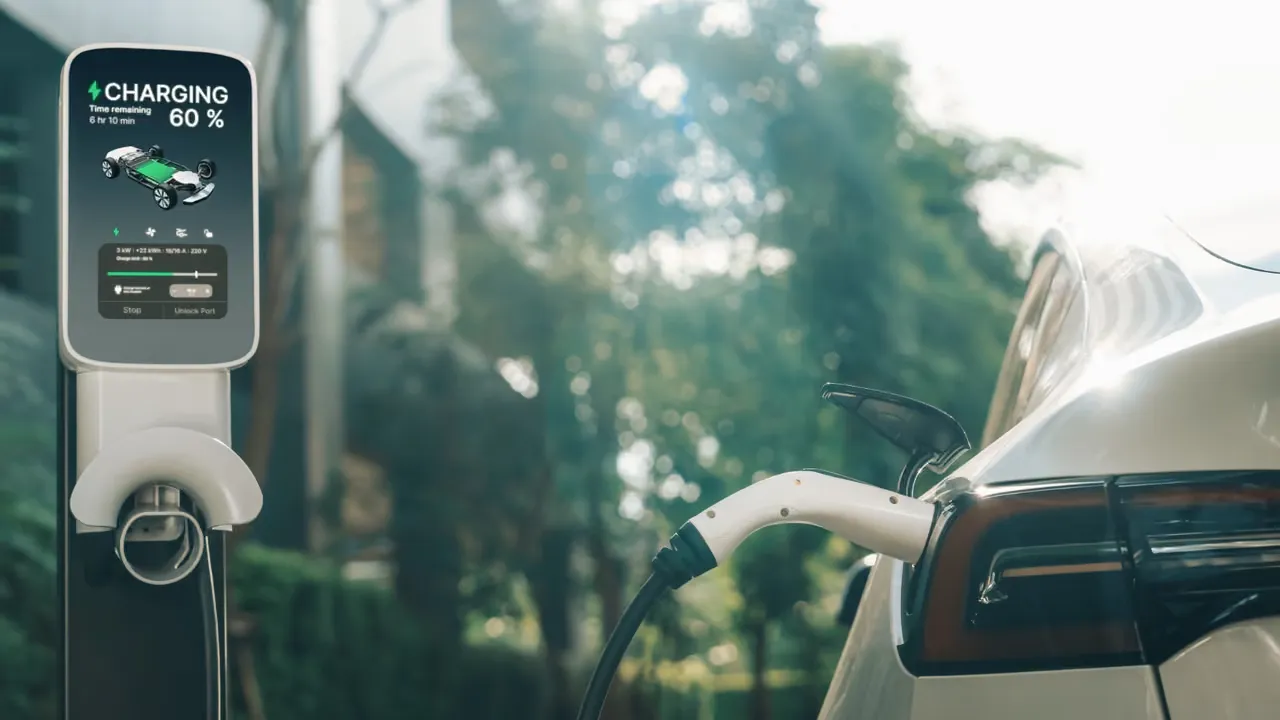
Is it rude to unplug someone else’s electric vehicle (EV) charger without asking? Or is it perfectly acceptable if you’re in a hurry? Across the globe, the unspoken rules around EV charging etiquette reveal much more than just manners—they reflect deep-rooted cultural attitudes toward sharing, trust, and responsibility.
Charging Etiquette Around the World A Cultural Comparison
In countries like Japan, where harmony and respect for communal spaces are paramount, EV owners tend to approach charging stations with a near-sacred sense of order. Drivers often wait patiently and avoid unplugging others, even if their own battery is critically low. There’s an implicit understanding that everyone will get their turn, and the community’s collective well-being trumps individual urgency.
Contrast that with the United States, where the charging culture is still evolving alongside the rapid increase in EV adoption. Here, impatience sometimes wins out. Stories abound of drivers unplugging others’ cars mid-charge or “charging hogs” occupying stations long after their batteries are full. The approach is more individualistic, reflecting a society where personal convenience often takes precedence over shared norms—especially when explicit rules or enforcement are lacking.
In parts of Europe such as Norway and the Netherlands, where EV infrastructure is dense and usage widespread, etiquette tends to be more nuanced. Drivers generally adhere to informal time limits, unplugging and moving their vehicles promptly to make space for others. However, these norms are balanced by a strong sense of community responsibility, with many users leaving notes or using apps to communicate about charging status. It’s a blend of respect and practicality, supported by well-developed infrastructure and social trust.
What EV Charging Behavior Tells Us About Community Trust
How people behave at charging stations offers a fascinating window into how societies view shared resources. In places with high social trust, EV charging spots function almost like a communal asset, with users self-regulating and showing patience. The act of waiting your turn or not unplugging someone else’s car without permission signals a belief in mutual respect and an expectation that others will do the same.
Where trust is lower or norms are less established, charging etiquette can become a battleground. Drivers may feel justified in bending rules to secure their own needs first, leading to frustration and conflict. This reflects broader societal tensions around resource distribution and cooperation, issues that extend well beyond the charging station.
Challenges in Setting Universal EV Charging Norms
Given these cultural differences, attempts to create universal guidelines for EV charging etiquette face steep challenges. What works in one country might be seen as intrusive or impractical in another. For example, imposing strict time limits on charging could clash with cultural values emphasizing patience and order, or it might fuel resentment where enforcement feels heavy-handed.
Language barriers and differing legal frameworks also complicate matters. In some regions, EV charging infrastructure is managed by private companies, while in others it’s publicly owned, influencing how rules are communicated and enforced. Technological solutions like apps that notify users when their charge is complete help, but they rely on user buy-in, which varies culturally.
How Understanding Charging Etiquette Can Improve EV Infrastructure Design
Recognizing these cultural nuances isn’t just an academic exercise—it has practical implications for designing better EV infrastructure. In places where trust and patience are high, fewer formal controls might be necessary, allowing for more flexible and user-friendly setups. Conversely, in areas where impatience and competition dominate, infrastructure might need to include physical or digital enforcement mechanisms to minimize conflict.
Designers and policymakers can also tailor communication strategies to local attitudes. In Japan, subtle signage emphasizing harmony and community might be more effective than strict rules. In the U.S., clear visual cues and apps with real-time updates could reduce impatience and disputes.
Ultimately, EV charging etiquette is a microcosm of how societies manage shared resources. Whether at a quiet suburban station in Norway or a bustling urban hub in California, these behaviors reflect deeper stories about cooperation, respect, and trust. Paying attention to them can help us build not just better charging networks, but stronger communities.