Can Your Car Save Power for Your Home
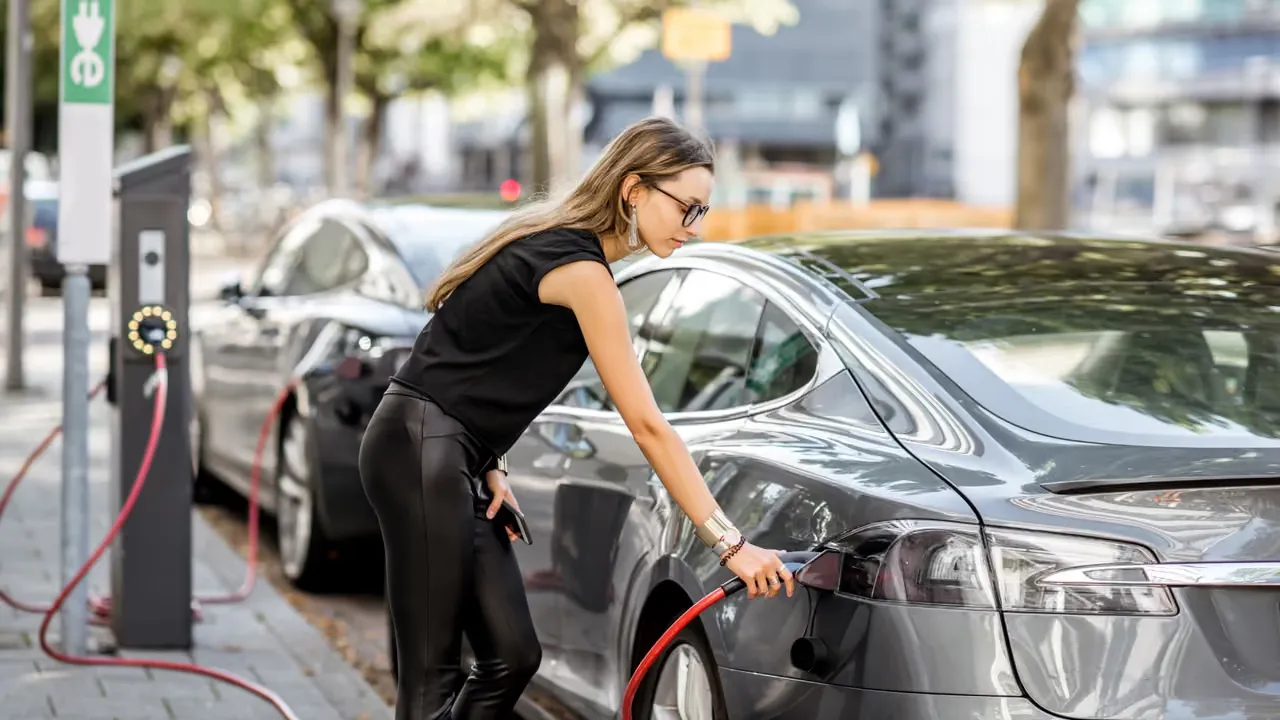
Look around any sunny suburban neighborhood or a bustling city street, and electric cars (EVs) are no longer just a glimpse of the future—they are becoming a common sight. But their impact goes far beyond the roads they drive on. Electric vehicles are quietly shaping the way we produce, store, and manage renewable energy, pushing the entire energy ecosystem toward a cleaner, smarter future.
The Symbiotic Relationship Between EVs and Solar Power
Electric cars and solar panels form a natural partnership. Both thrive on electricity, with solar power generating clean energy during the day and EVs consuming it for transportation. This relationship isn’t just convenient; it’s transformative. Homeowners with solar setups often find their EVs to be the perfect energy sink, absorbing excess energy that might otherwise go unused or be sold back to the grid at low rates.
When a solar system produces more power than a household consumes, that surplus can now charge an EV’s battery instead of being wasted. This reduces reliance on the grid, lowers electricity bills, and maximizes the environmental benefits of solar energy. The integration encourages more people to invest in solar panels, knowing they can directly power their cars, making the economics of renewable energy more attractive.
Mutual Benefits for Consumers and the Grid
- Cost savings: Using solar energy to charge an EV cuts down on fuel costs and electricity purchased from utilities.
- Energy independence: Homeowners become less vulnerable to fluctuating energy prices and grid outages.
- Increased solar adoption: The demand for solar systems grows as EV ownership rises, creating a positive feedback loop.
Electric Vehicles as Mobile Energy Storage Units
One of the most exciting developments is viewing EVs not just as transportation tools but as mobile batteries on wheels. Each electric car carries a substantial battery pack, capable of storing tens of kilowatt-hours of electricity. This storage capacity represents a vast, distributed energy resource that, if tapped correctly, could revolutionize energy management.
Technologies like Vehicle-to-Grid (V2G) and Vehicle-to-Home (V2H) are enabling EVs to send stored electricity back to the grid or a home during peak demand or outages. Imagine your car parked in the garage overnight, not just charged but also ready to support your home’s energy needs or feed power back to the local grid. This two-way flow of energy turns EVs into active participants in the energy ecosystem.
Why Mobile Storage Matters
- Grid flexibility: EV batteries can absorb excess renewable energy when production is high and release it when demand spikes.
- Backup power: During outages, EVs can provide critical electricity to homes, increasing resilience.
- Reduced need for stationary batteries: Leveraging EV batteries can lower costs and environmental impact compared to installing separate home battery systems.
Impact on Home and Community Energy Management
Electric vehicles are changing how energy flows within neighborhoods and communities. When combined with smart energy management systems, EVs help balance supply and demand locally. Communities with high EV and solar penetration can become microgrids, capable of operating independently from the main grid when necessary.
Smart chargers and energy management platforms optimize charging times, encouraging EV owners to charge during periods of abundant renewable energy. This reduces strain on the grid and shifts consumption to times when clean energy is plentiful. Some communities have even started sharing energy resources, where EV owners can sell stored energy to neighbors or community facilities.
Community Benefits
- Lower peak demand: Coordinated charging reduces grid congestion and delays infrastructure upgrades.
- Increased renewable integration: Communities can absorb more solar and wind power without curtailment.
- Enhanced resilience: Local energy sharing improves reliability during extreme weather or outages.
Future Potential EVs and Grid Stabilization
Looking ahead, the role of electric vehicles in stabilizing the electrical grid could grow dramatically. Renewable energy sources like wind and solar are inherently variable, creating challenges for maintaining a stable electricity supply. EVs, with their substantial battery capacity and increasing intelligence, could serve as a massive, flexible buffer.
Grid operators are exploring ways to integrate EVs into demand response programs, where vehicles adjust charging patterns or discharge energy to support grid needs. This can smooth out fluctuations in renewable generation and reduce reliance on fossil-fueled peaker plants. In regions with high EV adoption, the aggregated capacity of these batteries could rival traditional power plants.
Moreover, advancements in smart grid technology and real-time data analytics will enable more precise coordination between EVs, renewable generators, and energy consumers. This dynamic interaction has the potential to transform the grid from a one-way delivery system into an interactive, resilient network.