Can Regenerative Tech Transform EVs
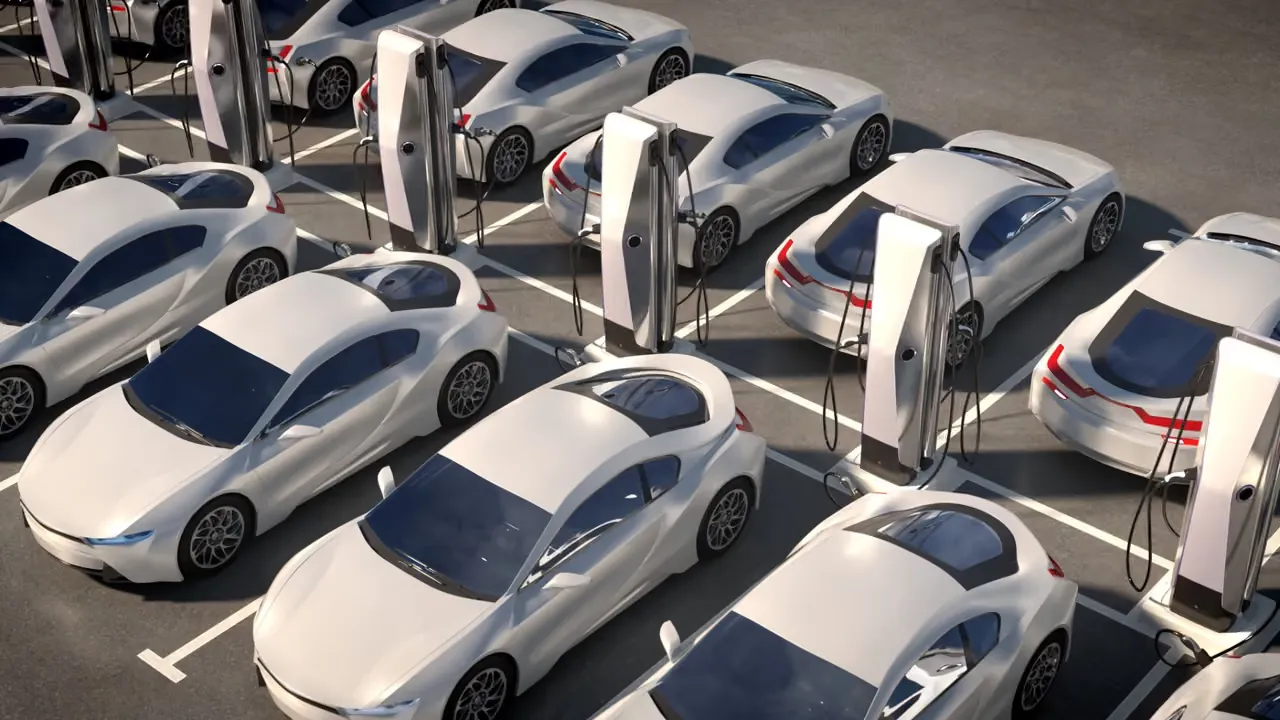
Electric vehicles (EVs) are no longer just about bigger batteries and faster charging stations. Anyone paying attention to the latest models will notice a more subtle, yet profound transformation happening under the skin of these cars. The design philosophy behind EVs is evolving to squeeze every bit of energy efficiency through clever engineering and innovative materials. This shift is reshaping the entire concept of what an EV can be.
Lightweight Materials The Key to Longer EV Range
Battery technology grabs all the headlines when discussing EV range, but the weight of the vehicle itself is just as crucial. Heavy cars require more energy to move, which directly cuts into how far you can drive on a single charge. Manufacturers are turning to lightweight materials to trim pounds without sacrificing safety or durability.
Aluminum and high-strength steel have been staples for years, but newer entrants like carbon fiber composites and advanced polymers are making serious inroads. Carbon fiber, once prohibitively expensive, is becoming more affordable due to advances in manufacturing techniques. Its strength-to-weight ratio is unmatched, allowing designers to create parts that are both incredibly strong and light.
Even small weight reductions can have a noticeable impact. For instance, shaving 100 kilograms off an EV's weight can improve efficiency by 5-10%, translating to several extra miles on a full charge. The challenge lies in balancing cost, manufacturability, and recyclability — a puzzle many automakers are actively solving.
Aerodynamics Shaping the Future of Electric Vehicles
When Tesla introduced the Model S, its sleek silhouette wasn’t just for looks. Aerodynamics plays a pivotal role in reducing drag, which in turn lowers energy consumption. Unlike traditional internal combustion engine vehicles, EVs don’t need large grilles for cooling, allowing for smoother front-end designs.
Designers are now pushing the envelope with active aerodynamic elements. These can include adjustable spoilers, grille shutters, and underbody panels that adapt to driving conditions to optimize airflow. Some EVs feature wheel covers and flush door handles to minimize turbulence. Even the shape of side mirrors is reconsidered, with some models employing tiny cameras instead.
Low drag coefficients — often below 0.25 — are becoming a benchmark in EV design. This isn’t just about aesthetics; it means the vehicle slices through the air with less resistance, using less power and extending range. Aerodynamics is no longer an afterthought but a core design principle.
Integrating Regenerative Technologies into Design
Regenerative braking is a familiar term for EV owners, but what’s less obvious is how the entire vehicle architecture is adapting to make the most of this energy recapture. Instead of treating regeneration as a standalone feature, automakers are integrating it more holistically into the drivetrain and chassis design.
Some new EVs feature multi-stage regenerative systems that adjust braking strength dynamically based on speed, terrain, and battery state. This requires sophisticated software and hardware coordination but results in smoother deceleration and maximized energy recovery.
Beyond braking, innovations like energy-harvesting suspensions are emerging. These systems convert kinetic energy from road vibrations into electricity, subtly topping off the battery during normal driving. While still in early stages, such technologies hint at a future where every movement of the car contributes to extending its range.
Modular Designs for Customizable Energy Solutions
One of the most exciting trends in EV design is modularity. Instead of fixed battery packs and components, some manufacturers are experimenting with modular systems that can be customized or upgraded. This approach not only improves sustainability but also allows drivers to tailor their vehicle’s energy capacity to their needs.
Modular battery packs can be swapped out or added as needed, enabling longer trips without committing to the weight and cost of a massive battery from the start. This can also extend the vehicle’s lifespan, as worn-out modules are replaced rather than the entire pack.
Beyond batteries, modularity extends to power electronics and even the drivetrain. This flexibility could pave the way for EVs that adapt over time, keeping pace with technological advances without requiring a full vehicle replacement. It changes the relationship between driver and car, making energy management a more interactive experience.
These design innovations demonstrate that EV efficiency isn’t just about bigger batteries or more charging stations. It’s about smart, integrated engineering that rethinks every aspect of the vehicle to get the most out of the energy it stores and uses.