Can Grids Handle the Electric Car Boom
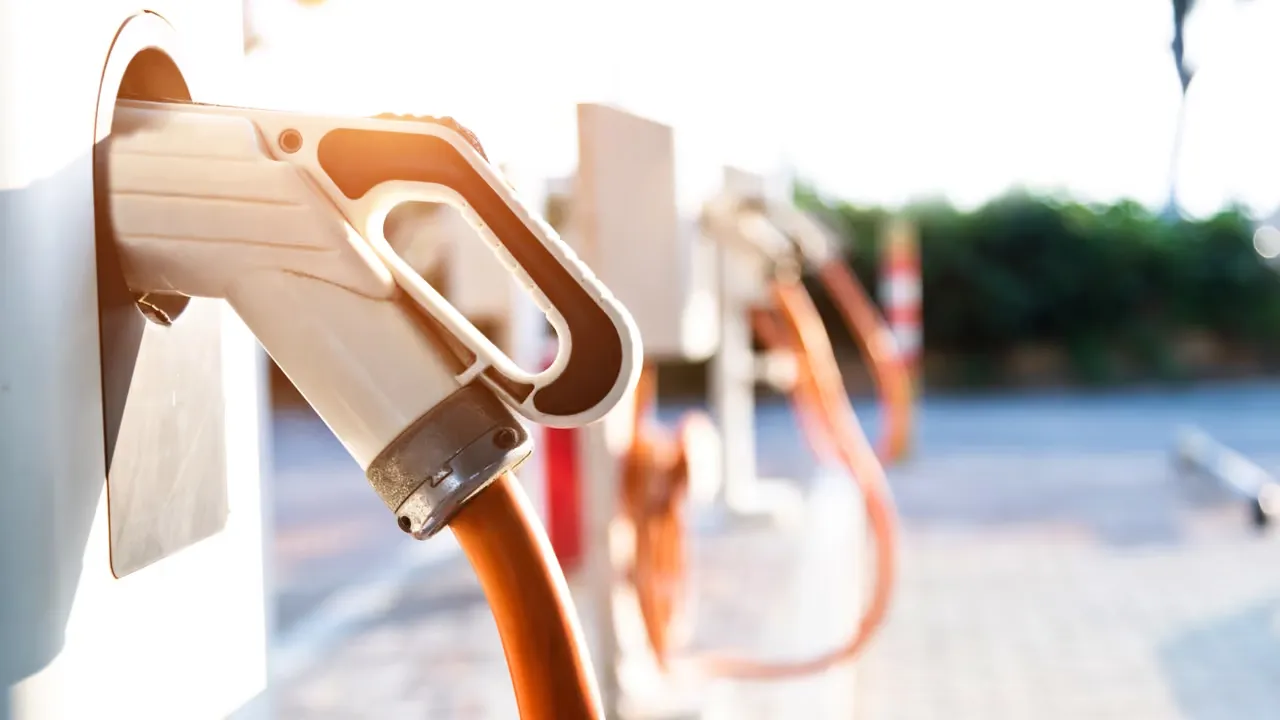
Can the world’s electricity grids handle the surge of electric cars on the roads, or will our charging habits push the system to its limits? As electric vehicles (EVs) become more common, the strain on power networks grows, raising urgent questions about infrastructure and energy management. But smart grid technology offers a promising path to ease these pressures and make EV charging smarter, greener, and more efficient.
Current challenges electric cars pose to the electricity grid
Electric cars demand electricity — a lot of it. Unlike traditional cars that refuel at gas stations, EVs rely on the grid for power, and this shift changes the dynamics of electricity consumption. The current electricity grid was primarily designed for predictable, steady demand patterns. EVs introduce new, often unpredictable spikes in power usage, especially during peak hours when many drivers return home and plug in simultaneously.
The main challenges include:
- Peak load increase: When many EVs charge at once, the grid experiences sudden surges in electricity demand that can strain transformers and distribution lines.
- Infrastructure stress: Local grid components, like substations and neighborhood transformers, may not be equipped to handle the increased load, leading to potential outages or faster equipment wear.
- Energy supply mismatch: Charging tends to happen in the evening, often when renewable energy sources such as solar are less productive, increasing reliance on fossil-fuel power plants.
- Uncoordinated charging behavior: Without guidance, EV owners tend to charge immediately upon returning home, worsening peak demand challenges.
How smart grid technology can manage EV charging demand
Smart grids transform the traditional power grid into an interactive, intelligent network that communicates with consumers and devices, including EV chargers. This technology enables dynamic management of electricity demand, making it possible to optimize EV charging without overwhelming the system.
Key smart grid features that help manage EV charging include:
- Demand response programs: Utilities can incentivize EV owners to charge during off-peak hours by offering lower rates or rewards, smoothing out demand spikes.
- Smart chargers: These devices communicate with the grid to adjust charging speeds based on grid load, allowing for staggered or slowed charging during peak times.
- Real-time monitoring and control: Grid operators gain visibility into charging patterns and can actively manage loads by sending signals to EV chargers to reduce or shift consumption.
- Vehicle-to-grid (V2G) technology: Some EVs can feed electricity back into the grid during peak demand, acting as distributed energy storage and helping stabilize the network.
Through these approaches, the grid can handle a growing fleet of electric vehicles without requiring massive infrastructure overhauls.
Potential benefits of integrating EVs with renewable energy sources
EVs and renewable energy are natural allies. While EV adoption poses challenges, it also presents an opportunity to synchronize vehicle charging with clean energy generation.
Smart grid technology enables this integration by:
- Aligning charging with renewable availability: For example, charging EVs during sunny midday hours when solar power peaks can reduce reliance on fossil fuels.
- Storing excess renewable energy: EV batteries can act as mobile storage units, absorbing surplus energy that might otherwise be wasted during periods of high wind or sunlight.
- Reducing carbon footprints: By using renewable energy to charge EVs, the overall environmental impact of transportation diminishes considerably.
This synergy between EVs and renewables can accelerate the transition to a cleaner energy future while maintaining grid reliability.
Future outlook Grid-friendly electric cars and infrastructure
The future of electric mobility will likely hinge on technologies and policies that make EVs more grid-friendly. Automakers and utilities are already exploring innovations such as:
- Smart charging standards: Universal protocols that enable seamless communication between vehicles, chargers, and grids to optimize energy use.
- Integrated home energy systems: Combining EV chargers with home solar panels and battery storage to create self-sufficient energy ecosystems.
- Dynamic pricing models: Real-time electricity prices that encourage charging when supply is abundant and cheap.
- Advanced grid infrastructure: Upgrading transformers, substations, and distribution networks to handle higher and more flexible loads.
As these advancements unfold, electric cars will evolve from being a potential burden on the grid into active participants in energy management—charging intelligently, supporting renewables, and even feeding power back when needed.