Can City Dwellers Charge EVs at Home
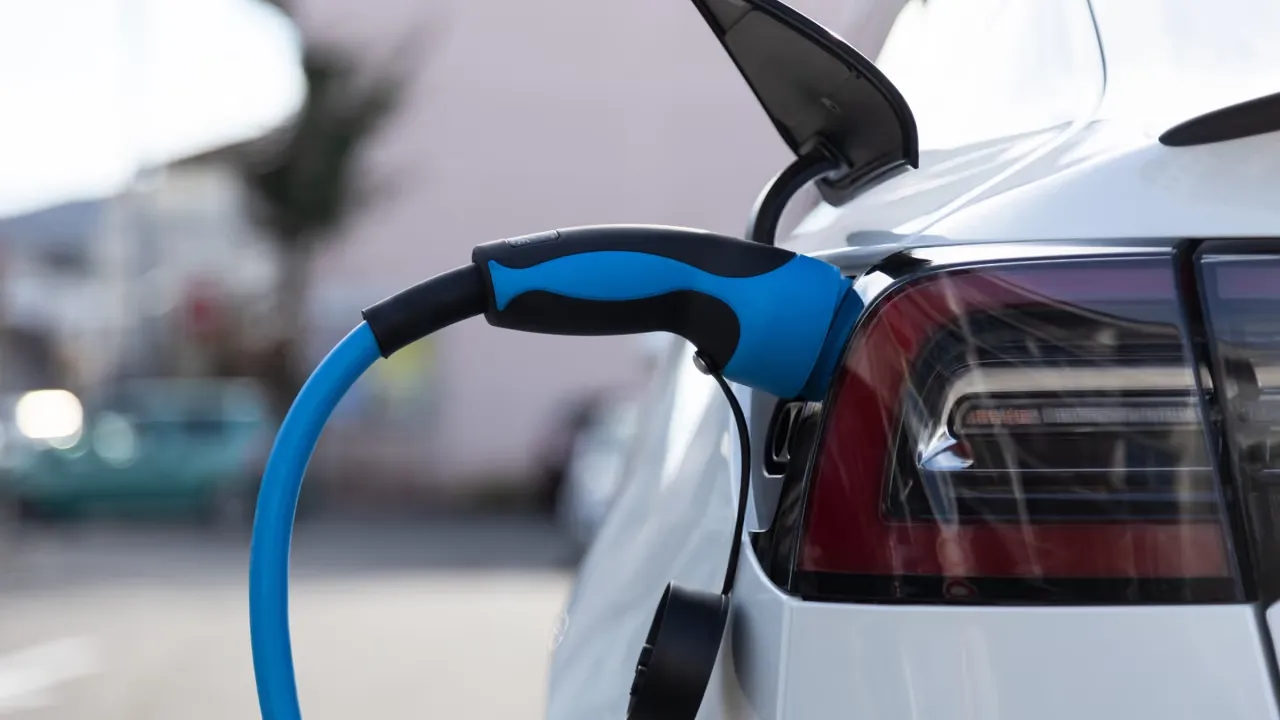
Imagine Sarah, a city dweller living in a bustling apartment complex with limited parking. She recently bought an electric vehicle (EV), excited to reduce her carbon footprint and embrace cleaner tech. But when it comes to charging her car overnight, she hits a wall: no personal charging station, shared parking spaces, and a maze of building regulations. This scenario is playing out in urban areas across the globe as more people switch to EVs but face hurdles when it comes to charging at home.
Challenges of Installing EV Chargers in Apartment Complexes
Multi-unit residential buildings (MURBs) present a unique set of obstacles for EV charging infrastructure. Unlike single-family homes, where homeowners can install a charger in their garage or driveway, apartment residents often share parking facilities, complicating access and installation.
- Limited Parking Allocation: Parking spaces in apartments are often unassigned or shared, which makes dedicating a spot for EV charging tricky.
- Electrical Capacity Constraints: Older buildings may lack the electrical infrastructure needed to support multiple high-power chargers simultaneously.
- Ownership and Management Issues: Coordination between property owners, managers, and residents can stall decision-making and funding for charger installations.
- Cost Distribution: Questions arise about who pays for installation, electricity usage, and maintenance—residents, landlords, or a combination?
- Permitting and Regulations: Local codes may not be updated to accommodate EV infrastructure in multi-unit dwellings, leading to bureaucratic delays.
Innovative Solutions for Multi-Unit Dwelling Charging
Despite these challenges, innovation is paving the way for smarter charging solutions tailored to apartment living.
Smart Charging Networks
Smart charging systems use software to manage when and how EVs draw power. By scheduling charging during off-peak hours or balancing load among multiple vehicles, these networks prevent electrical overloads and optimize energy use.
Shared Charging Hubs
Instead of installing a charger at every parking space, some complexes are adopting centralized charging hubs. These stations serve multiple residents, allowing them to reserve charging times through an app, making efficient use of limited parking and electrical capacity.
Wireless and Portable Chargers
Emerging wireless charging technology could eliminate the need for dedicated parking spots with wired chargers. Meanwhile, portable chargers that plug into standard outlets provide flexible, albeit slower, options for residents without access to fixed stations.
Modular Electrical Upgrades
Building owners are investing in modular electrical systems that can scale as EV adoption grows. These upgrades include upgraded transformers, circuit breakers, and energy management systems to support increasing demand without costly overhauls.
Policy and Incentives Encouraging Residential EV Infrastructure
Governments and municipalities are stepping in to ease the transition with policies and incentives designed specifically for multi-unit residences.
- Mandates and Building Codes: Some cities require new residential developments to be EV-ready, including pre-wiring for chargers and designated parking.
- Financial Incentives: Rebates, grants, and tax credits are available for installing EV charging infrastructure in apartment complexes, offsetting upfront costs.
- Right-to-Charge Laws: These laws protect tenants’ rights to install EV chargers at their parking spots, even in rented spaces, compelling landlords to cooperate.
- Utility Programs: Utilities may offer special rates or programs for EV owners in multi-unit buildings, encouraging smarter energy consumption and charger use.
Future Trends for Charging in Dense Urban Housing
The future of EV charging in urban apartments is moving toward integration, efficiency, and sustainability.
- Vehicle-to-Grid (V2G) Technology: EVs could serve as mobile energy storage units, feeding power back to the building or grid during peak demand, turning apartment complexes into micro-energy hubs.
- Renewable Energy Integration: Solar panels and other renewables installed on rooftops or nearby can power EV chargers, reducing the environmental impact and energy costs for residents.
- AI-Driven Energy Management: Artificial intelligence could optimize charging schedules based on usage patterns, electricity rates, and grid conditions, making charging seamless and cost-effective.
- Enhanced User Experience: Apps and platforms will offer personalized charging plans, billing transparency, and easy access management, catering to the diverse needs of apartment residents.
As EV adoption accelerates, the demand for practical, accessible charging in multi-unit residential buildings will only grow. Bridging the gap between technology, policy, and resident needs is critical to unlocking the full potential of electric vehicles in urban living spaces.