Can Blockchain Fix EV Charging Payment Woes
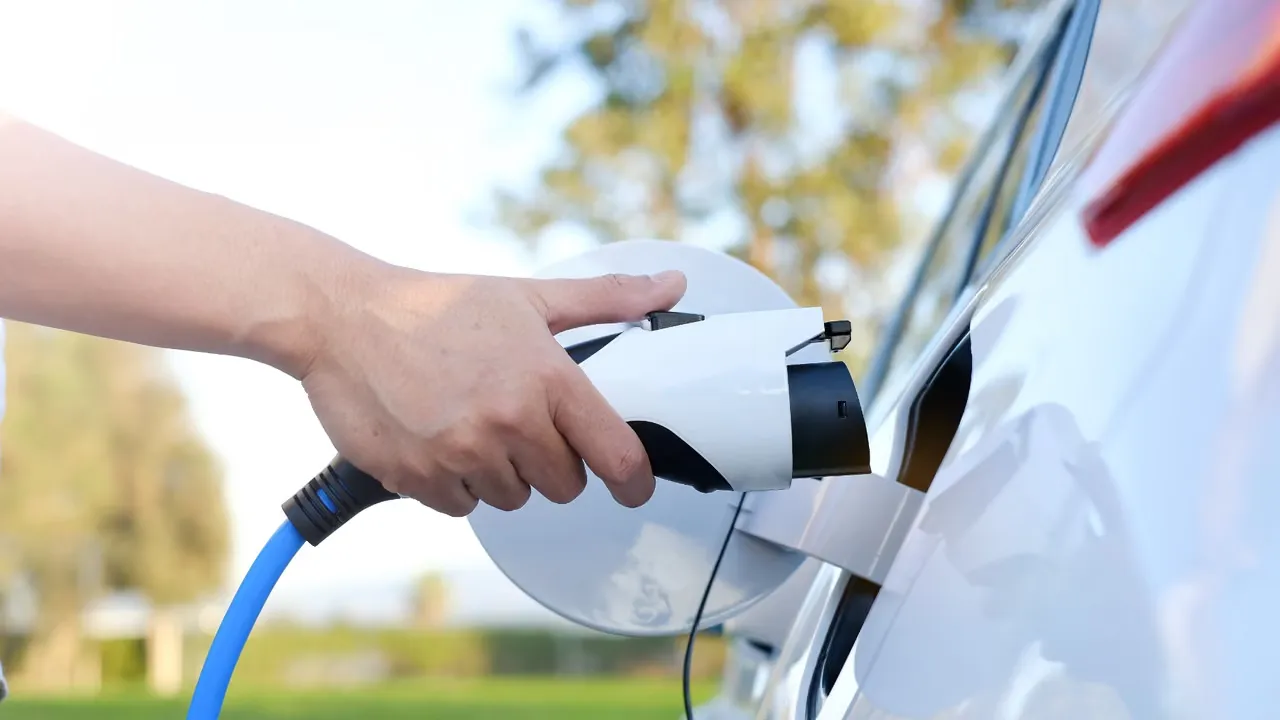
Can blockchain technology solve the trust and transparency issues dogging electric vehicle charging transactions?
The growing complexity of EV charging networks
Electric vehicle (EV) adoption is accelerating, and with it, the infrastructure supporting this shift is becoming increasingly complex. Across cities and highways, a patchwork of charging stations operated by various companies and municipalities creates a sprawling network. Drivers often find themselves navigating not just physical locations but a tangle of payment methods, access requirements, and service terms.
Unlike traditional gas stations, EV charging points don’t just pump fuel; they involve digital interactions. Charging sessions are logged, payments processed, and energy consumption tracked in real time. This complexity is only set to increase as more players enter the market and as vehicle-to-grid technologies emerge, allowing cars to feed electricity back into the grid.
Challenges in current EV charging payment systems
At the heart of this complexity lies a major headache: payment. Today’s EV charging payments often suffer from a lack of transparency and security. Drivers may need multiple apps or RFID cards to access different networks. Pricing can be opaque, with hidden fees or fluctuating rates depending on time of day or location. For operators, reconciling payments across numerous stations and providers involves a web of intermediaries.
These challenges can breed mistrust. Users worry about billing errors or unauthorized charges, while operators struggle with fraud and payment disputes. The fragmented nature of the market means data is siloed, making it hard to verify transactions or ensure accountability. In short, the current system is neither seamless nor fully trustworthy.
How blockchain technology can provide secure transparent transactions
Enter blockchain, a decentralized ledger technology that promises to overhaul the way EV charging transactions are recorded and verified. Unlike traditional databases, a blockchain records every transaction in a way that’s immutable and visible to all authorized participants. This transparency could be the key to building trust among drivers, station operators, and energy providers.
Here’s how blockchain can improve EV charging payments:
- Decentralized verification – Transactions are confirmed by multiple nodes in the network, reducing the risk of fraud or unauthorized changes.
- Transparent billing – Users can see exactly what they’re being charged for, with a tamper-proof record of energy usage and costs available instantly.
- Smart contracts – Automated agreements can handle payments once charging is complete, eliminating delays and disputes.
- Interoperability – Blockchain can facilitate seamless payments across different charging providers without the need for multiple apps or accounts.
- Improved data security – Sensitive data is encrypted and shared only with authorized parties, reducing the risk of hacks or leaks.
Several pilot projects are already exploring blockchain’s potential in EV charging. For instance, platforms using blockchain enable peer-to-peer energy trading, where EV owners can sell excess power stored in their vehicle batteries directly to others. This not only enhances flexibility but also strengthens the grid.
Potential barriers and future outlook for blockchain in EV charging
Despite its promise, blockchain adoption in EV charging faces hurdles. The technology itself can be complex and resource-intensive. Public blockchains, like those used for cryptocurrencies, require significant computing power, raising environmental and cost concerns—ironically at odds with the sustainability goals of EVs.
Integration is another challenge. Existing charging infrastructure and payment systems would need to be retrofitted or replaced to work with blockchain-based platforms. This demands cooperation among competing stakeholders, which is often difficult to achieve.
Regulatory uncertainty also clouds the path forward. Governments and industry bodies need to establish clear rules around blockchain transactions, data privacy, and consumer protections. Without this framework, large-scale adoption will remain slow.
Still, the momentum is building. Advances in blockchain scalability and energy-efficient consensus mechanisms are addressing technical drawbacks. As EV charging networks expand globally, the need for transparent, secure, and interoperable payment systems grows more urgent.
Blockchain could be the missing piece that unlocks a truly user-friendly and trustworthy EV charging ecosystem. Whether it becomes standard practice or remains a niche solution depends on the willingness of industry and regulators to embrace innovation—and to rewrite how we pay for electricity on the move.