Battery Production Drives EV Footprint
Are electric cars truly better for the environment than traditional gasoline vehicles when you look at their entire lifecycle? The answer isn’t as simple as it might seem. While electric cars (EVs) promise zero tailpipe emissions and a cleaner future, their environmental impact spans much farther—from the extraction of raw materials to battery disposal and electricity sources. To understand the true footprint of electric vehicles compared to traditional internal combustion engine (ICE) cars, we need to examine the full lifecycle.
Manufacturing Footprint Batteries and Beyond
Electric cars start with a heavy environmental cost upfront, particularly during manufacturing. The production of lithium-ion batteries—the heart of EVs—is resource-intensive. Mining lithium, cobalt, nickel, and other critical materials requires energy, often from fossil fuels, and can cause significant ecological damage and human rights concerns in mining regions.
Studies show that manufacturing an electric car can produce roughly twice the carbon emissions of building a conventional car without a battery. The battery pack alone accounts for a significant share of this footprint. Unlike gasoline cars, where most emissions come from fuel consumption during use, EVs frontload more emissions into production.
But this is only part of the story. Traditional vehicles also require energy-intensive manufacturing processes, including engine assembly and complex transmissions. Still, the difference in emissions at this stage is notable, largely because of battery production.
Electricity Sources Clean or Carbon-Heavy
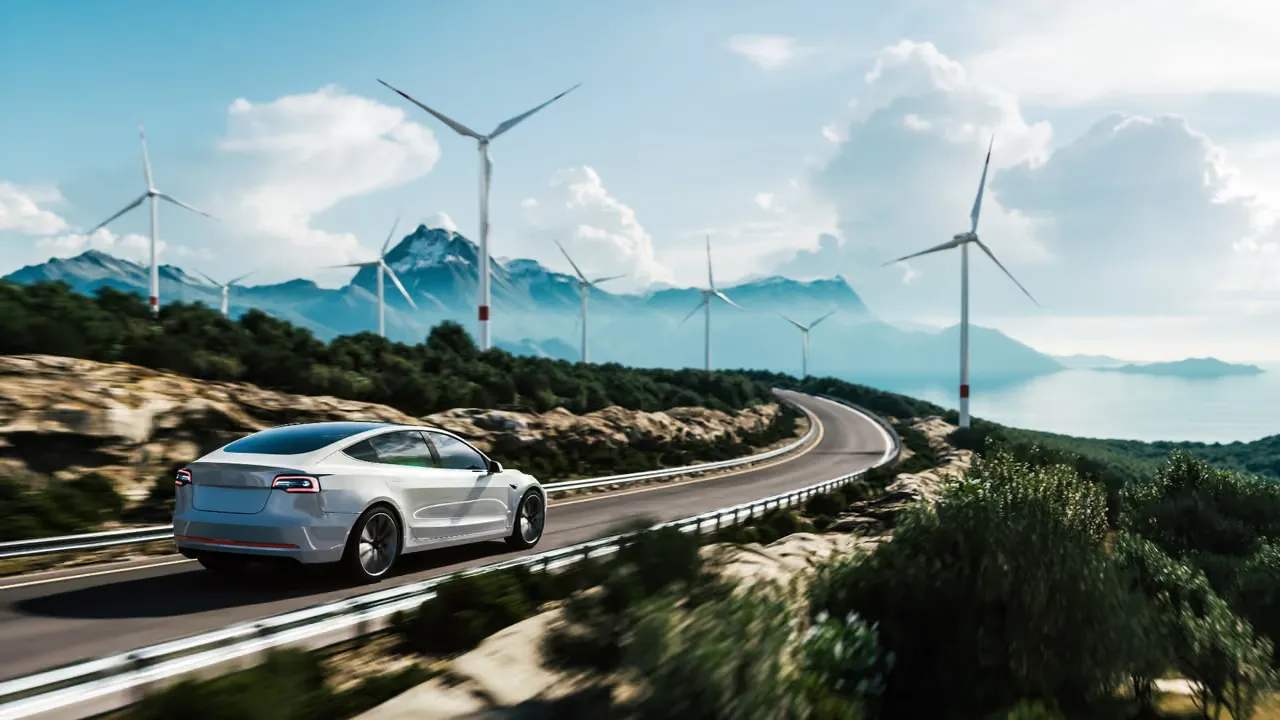
The environmental impact of driving an electric vehicle depends heavily on the source of the electricity used to charge it. In regions powered by renewable energy like wind, solar, or hydroelectricity, EVs can operate with minimal carbon emissions. Conversely, in areas reliant on coal or natural gas power plants, the emissions from electricity generation can significantly reduce the environmental advantage of EVs.
For example, an EV charged in a coal-heavy grid might produce more lifecycle emissions than a highly efficient gasoline car. However, grids worldwide are gradually becoming cleaner, making EVs greener over time. Even in coal-dominant regions, EVs tend to produce fewer emissions than traditional cars over their lifetime because electric motors are more efficient than combustion engines.
End-of-Life Recycling and Battery Disposal
What happens when an electric car reaches the end of its life? Battery disposal and recycling are critical challenges. Lithium-ion batteries contain valuable metals that can be recovered and reused, but recycling infrastructure is still developing and varies widely by country.
Improper disposal of batteries risks releasing toxic substances into the environment. However, advancements in battery recycling technologies are improving recovery rates and reducing the need for fresh mining. Second-life applications—where used EV batteries serve as energy storage for homes or grids—also extend their usefulness and reduce waste.
Traditional cars face their own disposal challenges, such as managing fluids, plastics, and metals, but these processes are generally well-established. The difference is that EV battery recycling is a newer field with growing pains but significant potential for environmental benefits.
Long-Term Environmental Benefits and Challenges
Over the entire lifecycle, electric cars tend to produce fewer greenhouse gas emissions than conventional vehicles, especially in regions with clean electricity grids. EVs eliminate direct tailpipe emissions, which improves urban air quality and reduces health problems linked to pollution.
Still, challenges remain. The mining for battery materials can have serious social and environmental impacts that need better regulation and innovation. Battery recycling must become more efficient and widespread to prevent waste. And the pace of grid decarbonization will largely dictate how green EVs truly become.
Electric cars represent a shift in how we think about transportation’s environmental impact. They are not perfect, but their potential to reduce emissions over time, combined with advances in battery technology and renewable energy, make them a crucial piece of any sustainable future.