Battery Challenges Impact Insurance Costs
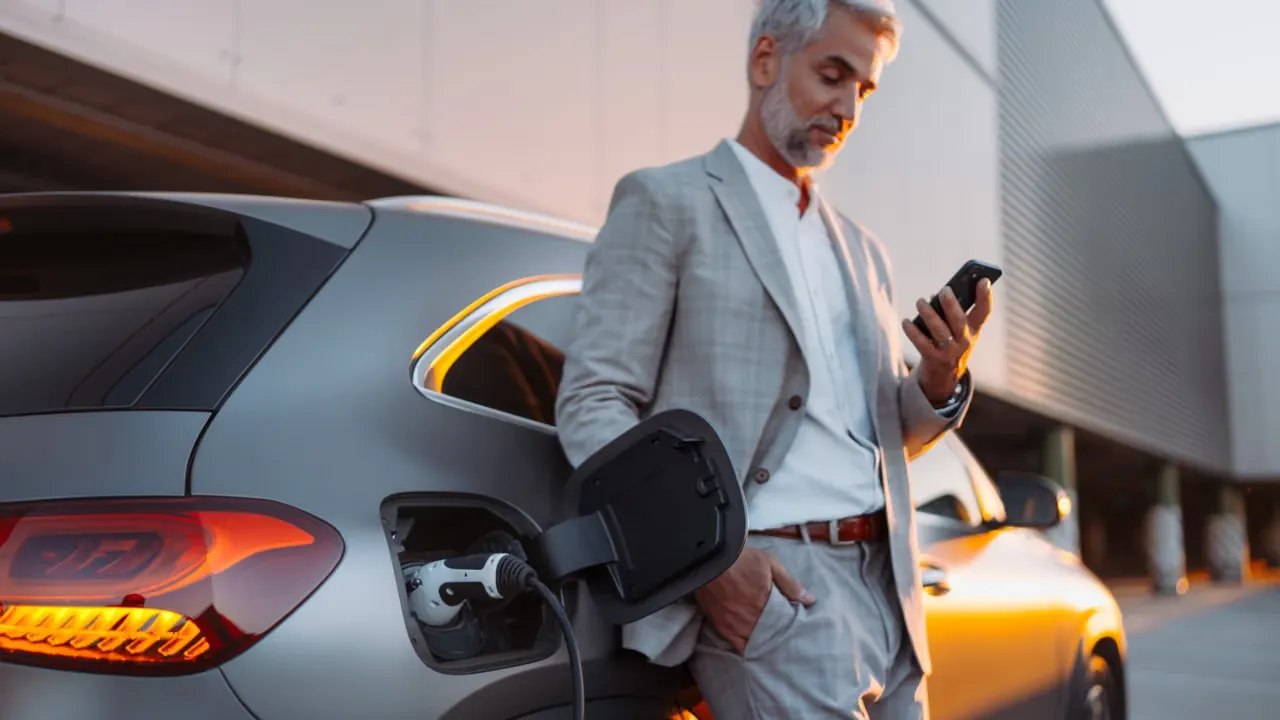
How are electric vehicles reshaping the landscape of car insurance? As EVs accelerate their takeover of roads worldwide, they’re not just changing how we drive—they’re forcing insurers to rethink how they price and protect these cars.
The Changing Risk Profile of Electric Vehicles
Electric vehicles differ fundamentally from traditional gasoline-powered cars. Their unique components and operating mechanisms create a distinct risk profile that insurers must grapple with. For one, EVs have fewer moving parts, which can mean fewer mechanical breakdowns, but their high-voltage batteries introduce new concerns. The potential for battery fires, though rare, is a serious consideration. Additionally, the often higher purchase price of EVs means repair costs can be significantly more expensive, impacting claims and payouts.
Another factor is the driving behavior typically associated with EV owners. Many EV drivers tend to be more tech-savvy and environmentally conscious, which can correlate with safer driving habits. Yet, the quietness of electric motors presents unique risks, such as increased pedestrian accidents, prompting insurers to evaluate these nuances closely.
How Insurers Assess Battery and Software-Related Risks
Battery technology is the heart of any electric vehicle, and insurers are paying close attention. Lithium-ion batteries can degrade over time, potentially leading to reduced range or expensive replacements. Insurers want to understand the longevity and warranty coverage of these batteries to anticipate future claims.
Software is another frontier. EVs rely heavily on complex software systems for everything from battery management to autonomous driving features. This reliance opens the door to cyber risks—hacking, software glitches, or system failures—that traditional cars don’t face. Insurers now factor in the likelihood and potential cost of software-related incidents, which can range from a simple malfunction causing an accident to a full-blown cybersecurity breach.
Moreover, over-the-air updates, which can improve or alter vehicle functions remotely, add a layer of complexity. Insurers must consider how these updates impact vehicle safety and liability, sometimes requiring partnerships with manufacturers to stay informed.
New Insurance Products Tailored for EV Owners
Recognizing these unique challenges, insurance companies are designing products specifically for electric vehicles. Some policies include coverage for battery replacement or degradation, which traditional car insurance rarely addressed. Others offer protection plans for charging equipment, both at home and in public stations, acknowledging that these components are critical to EV functionality.
Usage-based insurance is gaining traction among EV owners. By tracking actual driving patterns via telematics, insurers can offer more personalized premiums based on mileage, driving style, and even charging habits. This approach can reward cautious drivers and those who drive less frequently, aligning costs more closely with actual risk.
Another innovation is bundled packages that combine vehicle insurance with home charging station warranties or maintenance services. These integrated offerings appeal to EV owners looking for convenience and comprehensive coverage in one deal.
The Impact of EVs on Premiums and Coverage Options
Premiums for electric vehicles have been a mixed bag. On one hand, the higher initial cost and expensive repairs often push premiums upward. On the other, safer driving profiles and lower accident rates for some EV models can bring premiums down. The net effect varies widely by insurer, vehicle model, and driver profile.
Coverage options are evolving too. Some insurers now offer specialized add-ons like coverage for battery health, roadside assistance tailored for EVs, and even environmental liability protections related to battery disposal or recycling.
Additionally, regulatory changes in some regions are encouraging insurers to create incentives for EV adoption, such as discounts or credits for electric vehicle drivers. This trend reflects a broader push for sustainability but also introduces new variables insurers must balance.
Ultimately, electric vehicles are not just changing our roads—they’re reshaping the insurance industry’s approach to risk, coverage, and customer engagement in ways that few anticipated just a decade ago.