Balancing Speed and Cost in EV Charging
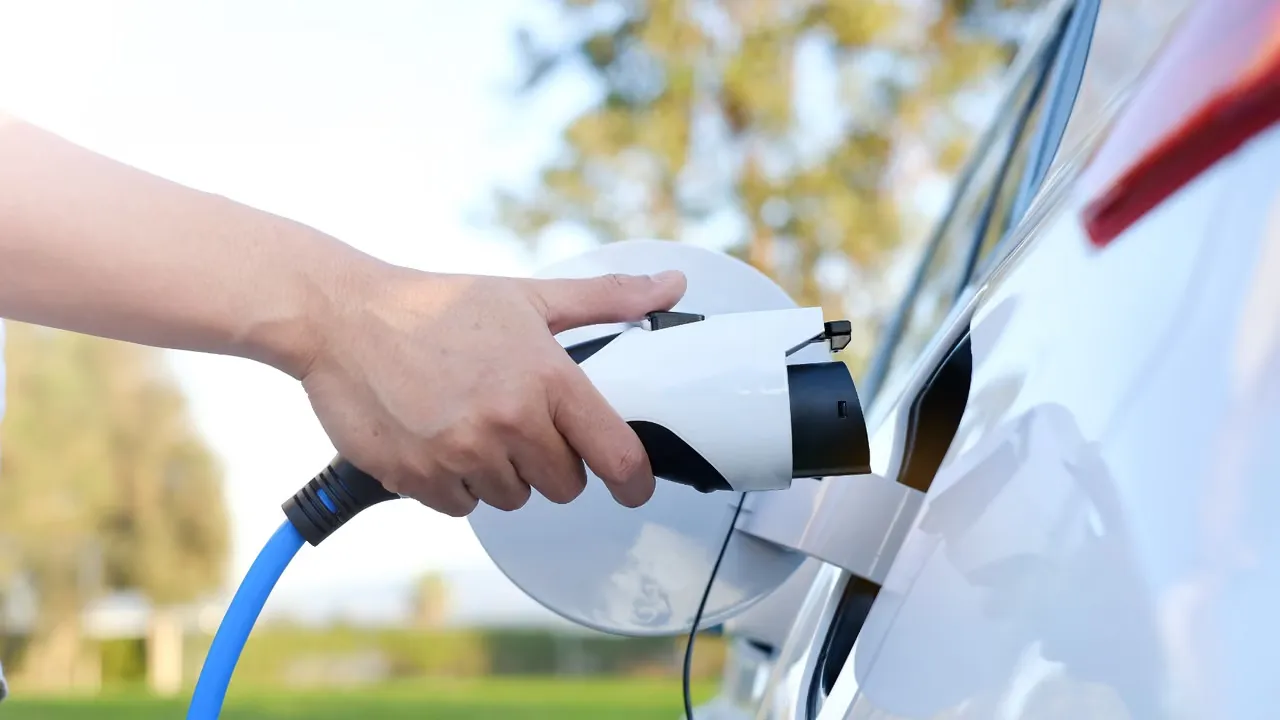
Is it possible to charge your electric vehicle without breaking the bank while still getting enough juice to hit the road quickly? Balancing charging speed and cost is a daily challenge for many EV owners. Fast charging can be convenient but expensive, while slower charging saves money but demands more planning. Here’s how to strike the right balance for your driving habits and budget.
Understanding the Trade-Offs Between Fast Charging and Electricity Costs
Fast charging stations, often labeled DC fast chargers or Level 3 chargers, can power your EV up to 80% in 20-40 minutes. This convenience comes at a premium. These chargers draw a lot of energy quickly, and providers often pass that cost on to you with higher per-kilowatt-hour rates or additional fees.
On the other hand, Level 1 (regular household outlet) and Level 2 chargers (240V home or public chargers) deliver power much more slowly but usually at standard electricity rates or cheaper public charging fees. For daily commuting and typical use, slower charging overnight often makes more financial sense.
Key takeaway: Fast charging is best reserved for long trips or urgent top-ups, while slower charging should cover your routine needs.
Strategies to Schedule EV Charging During Off-Peak Hours
Electricity prices vary by time of day in many areas. Utilities offer time-of-use (TOU) plans that charge less for electricity during off-peak hours, usually late at night or early morning.
- Know your utility’s rate schedule: Check with your electricity provider to see if you’re on a TOU plan or if one is available.
- Charge overnight: Plug in your EV when you get home and schedule charging to start after 10 p.m., when rates are typically lowest.
- Use programmable timers or smart chargers: These devices let you set charging to automatically begin during off-peak hours.
- Adjust for weekends and holidays: Some utilities offer even cheaper rates on weekends, so plan your charging accordingly.
By shifting your charging to off-peak times, you can save up to 50% or more on your energy costs without sacrificing convenience.
Using Smart Chargers and Apps to Optimize Your Charging Sessions
Modern EV chargers and apps have features designed to help you save money and manage charging speed:
- Scheduled charging: Set specific times for your charger to run, ensuring you only use electricity during the cheapest hours.
- Variable charging rates: Some smart chargers adjust how fast they charge based on electricity prices or grid demand, slowing down when rates spike.
- Remote monitoring: Check your charging status from your phone and pause or resume charging if prices or conditions change.
- Integration with renewable energy: If you have solar panels or home batteries, smart chargers can prioritize using that clean energy first.
Apps from your charger’s manufacturer or third-party services can aggregate pricing data and help you pick the best times and locations to charge. This tech turns charging from a passive task into a money-saving strategy.
Real-Life Budgeting Tips for Managing EV Charging Expenses
Charging your EV doesn’t have to feel like an unpredictable expense. Here are practical ways to keep tabs on your spending:
- Track your charging costs: Keep a log or use apps that show how much each charging session costs. This helps you spot patterns and identify when you’re paying too much.
- Set a monthly charging budget: Decide how much you want to spend on electricity for your EV and plan your charging habits to stay within that limit.
- Mix home and public charging: Home charging is usually cheaper, but public chargers—especially fast chargers—are convenient for emergencies or road trips. Use them sparingly to control costs.
- Consider your vehicle’s efficiency: More efficient EVs require less charging overall. If you’re shopping for a new car, factor in energy costs as part of total ownership.
- Join EV driver networks: Many communities have forums where members share tips on the cheapest charging locations and times.
Practical budgeting turns EV charging from a vague expense into a manageable, even predictable, part of your monthly bills.