Balancing Speed and Battery Life in EVs
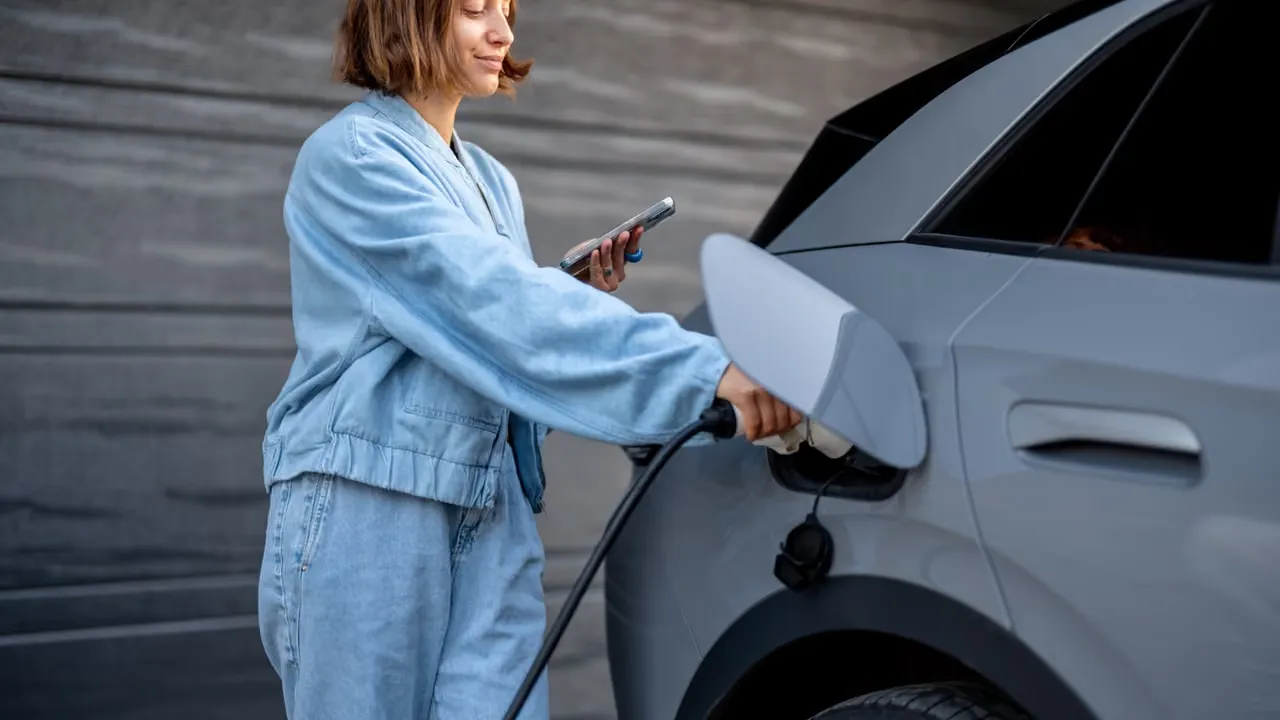
Electric vehicle makers once focused mainly on raw speed and quick acceleration. That was the big selling point. But now, the story is changing. Automakers are paying more attention to how car design affects the battery’s lifespan. After all, a powerful EV that needs an expensive battery replacement after a few years isn’t a win for anyone.
Understanding the trade-off between performance and battery life
When electric vehicles first arrived, the race was on to match or beat gas cars in horsepower and acceleration. These numbers grabbed headlines and turned heads. But they came with a hidden cost: faster battery wear. Driving an EV hard—fast acceleration, high speeds, sudden braking—pushes the battery chemistry to its limits. This speeds up battery degradation and shortens its useful life.
Battery life isn’t just about how many miles you get before it dies. It’s also about keeping capacity and efficiency over years. Overheating, deep discharges, and fast charging all chip away at battery health. So EV makers face a tough balance: offer thrilling speed without hurting the battery, the car’s most important part.
For example, rapid acceleration heats up the battery cells quickly. Heat damages the chemical makeup inside the battery, causing it to lose capacity faster. Similarly, charging a battery from near empty to full in a short time stresses the cells. That’s why some early EVs with strong performance saw their batteries degrade faster than expected.
New design strategies that protect battery health
To fix this, companies are rethinking EV design from the ground up. Instead of just pushing for max power, engineers focus on ways to keep batteries healthy for longer.
- Thermal management systems use advanced cooling and heating to keep battery cells at just the right temperature. This stops overheating during fast driving or charging. It also prevents cold weather from making the battery work too hard.
- Battery chemistry improvements mean using newer materials that handle more charge cycles without wearing out quickly. This sometimes means a small drop in peak power, but the trade-off is longer battery life.
- Modular battery packs break the battery into smaller, replaceable units. If one part wears out, you can swap just that section instead of the whole pack. This cuts costs and reduces waste.
- Powertrain calibration uses software to control how power flows to the wheels. It limits peak torque during quick starts and smooths out regenerative braking. This reduces sudden stress on the battery.
For instance, Tesla’s latest models use liquid cooling to keep battery cells stable even during aggressive driving. Meanwhile, companies like Nissan and Hyundai have shifted to battery chemistries that sacrifice a bit of power for longer life. This shows a clear shift from pure speed to smart design.
Features that encourage battery-friendly driving
Design isn’t just about hardware. EV makers add smart features that help drivers protect the battery without losing convenience.
- Eco-driving modes reduce throttle response and limit top speed. This nudges drivers to avoid sudden acceleration and save energy.
- Battery health dashboards give real-time feedback on how driving habits affect battery life. Drivers see when they accelerate too hard or charge too fast, encouraging gentler use.
- Charging optimizers schedule charging during off-peak hours and limit charging speed unless a quick charge is needed. This reduces stress on the battery cells.
- Thermal preconditioning warms or cools the battery before driving or charging. This ensures the battery operates in the best temperature range from the start.
For example, the Chevrolet Bolt offers an eco mode that softens acceleration and limits power output. Meanwhile, the Ford Mustang Mach-E shows battery health stats on its screen, helping drivers adjust their habits. These features make it easier to protect the battery without thinking too much about it.
Why this matters for drivers and makers
Focusing on battery life changes the EV experience. Drivers don’t have to choose between speed and durability. These smart designs keep the car feeling lively enough for daily use while protecting the battery, the priciest part.
This means fewer battery replacements, lower maintenance costs, and better resale values. A well-kept battery keeps the car’s range and performance strong for years.
Manufacturers benefit too. Longer-lasting batteries mean fewer warranty repairs and happier customers. Plus, batteries are a big environmental concern. Extending their life supports sustainability goals by reducing waste and resource use.
In the end, drivers get reliable, fun electric cars. Companies build trust and loyalty. The shift from chasing speed to protecting batteries is a smart move for everyone involved.