Balancing Fast Charging and Battery Health
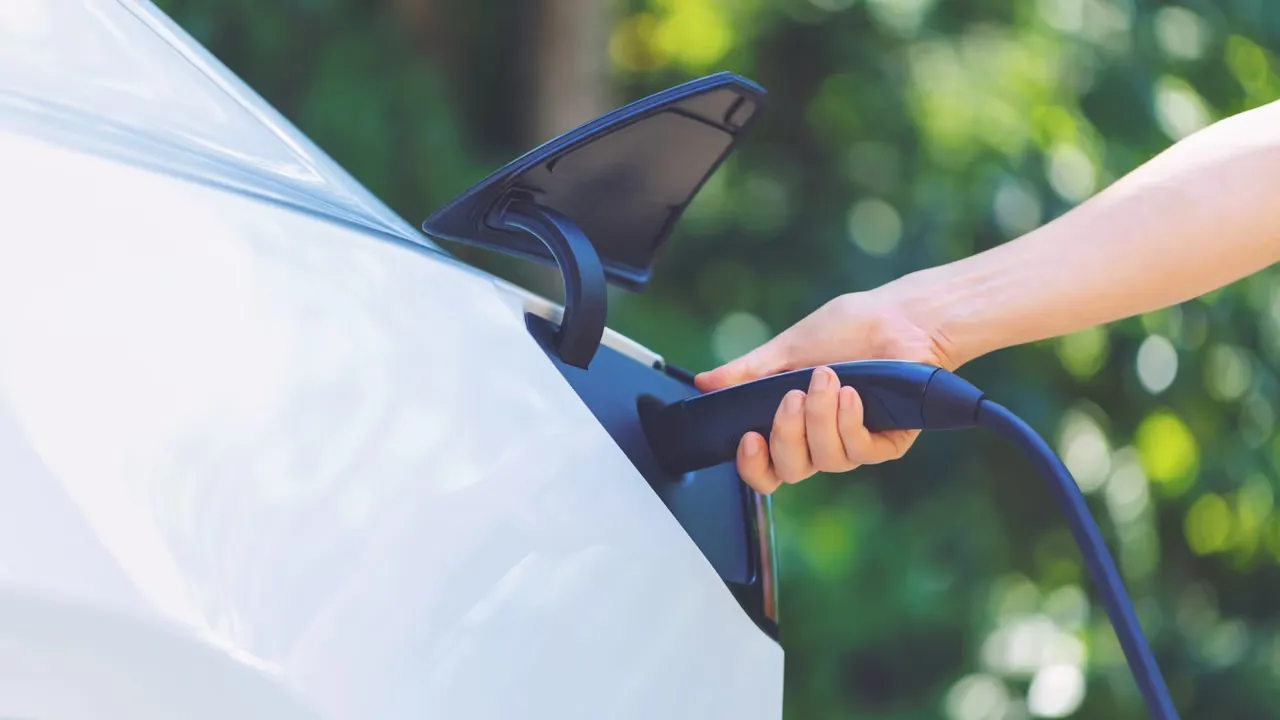
Are you charging your electric vehicle in the smartest way possible? With the rising popularity of EVs, more drivers are discovering that how and when you charge can make a big difference—not just to your wallet but to your vehicle’s long-term health. Optimizing your EV charging habits means looking beyond just plugging in whenever you can. It’s about aligning your charging strategy with your daily routine, your vehicle’s battery type, and the charging technology available to you.
Assessing Your Daily Driving Patterns to Tailor Charging Schedules
The first step to efficient EV charging is understanding your own driving habits. How far do you actually drive each day? What’s your typical schedule? If you drive short distances, say less than 30 miles daily, you probably don’t need to charge to 100% every night. Charging to about 80% often extends battery life and saves energy.
For those with longer commutes or frequent road trips, a full charge might be necessary, but timing matters. Charging during off-peak hours, often late at night or early morning, can take advantage of lower electricity rates. Many utility companies offer time-of-use pricing, so plugging in when demand is low can reduce costs significantly.
Keep a log for a week or two, noting how much you drive and when. Use this data to set your charging schedule. If your car sits unused during the day, consider midday charging with solar power if you have it. If you’re home mostly at night, schedule charging then. Tailoring your charging times to your driving patterns helps avoid unnecessary charges and keeps your battery healthier.
Matching Charging Strategies to Different EV Battery Sizes and Types
Not all EVs are created equal. Battery size and chemistry influence the best approach to charging. Smaller batteries—common in city EVs or plug-in hybrids—can recharge quickly and don’t always need full charges. Charging these vehicles to full capacity every time can cause premature wear.
Larger batteries, like those in many Tesla models or long-range EVs, benefit from partial charging most days and a full charge only when you need maximum range. Lithium-ion batteries, the standard in most EVs, perform best when kept between 20% and 80% charge. Avoid letting the battery drop to near zero regularly, as deep discharges stress the cells.
Some newer EVs come with advanced battery management systems that help regulate charging automatically, but understanding your vehicle’s battery type can guide you in setting limits on your home charger or the app connected to your car.
Balancing Fast Charging and Battery Health for Long-Term Use
Fast chargers are fantastic for getting back on the road quickly, but there’s a trade-off. Using DC fast charging frequently can accelerate battery degradation due to the heat and stress it generates. This doesn’t mean you should avoid fast charging altogether—it’s invaluable for trips or emergencies—but daily reliance on it isn’t ideal.
If your daily routine allows, stick to Level 2 charging at home or work, which is slower but gentler on the battery. Limit DC fast charging sessions to when you truly need the speed. Many EV owners find that charging overnight with a standard charger meets their needs perfectly without the downsides of rapid fills.
Also, avoid topping off your battery repeatedly with fast charging. Instead, use fast chargers to reach around 80% and then switch to slower charging if you need more range. This approach balances convenience and battery longevity.
Incorporating Smart Charging Technologies into Your Routine
Technology has made it easier than ever to optimize EV charging. Smart chargers and apps allow you to schedule charging sessions, monitor energy rates, and even integrate renewable energy sources like solar panels. These tools give you control over when and how your vehicle charges.
- Scheduled Charging: Program your charger to start only during off-peak hours or when your solar system is producing excess energy.
- Remote Monitoring: Use your EV’s app to check charging status and adjust settings on the fly, avoiding unnecessary charging sessions.
- Energy Rate Integration: Some smart chargers connect to your utility’s real-time pricing data, automatically charging when rates are lowest.
- Battery Health Settings: Certain EVs allow you to set charge limits or battery care modes that prevent full charges unless needed.
Smart charging can also help reduce strain on the electrical grid by avoiding peak times, which is good for the environment and can lead to utility incentives or rebates. The upfront cost of smart chargers pays off in convenience and savings over time.